
 简体中文
简体中文 Русский
 Français
 Português
 Español
 لالعربية

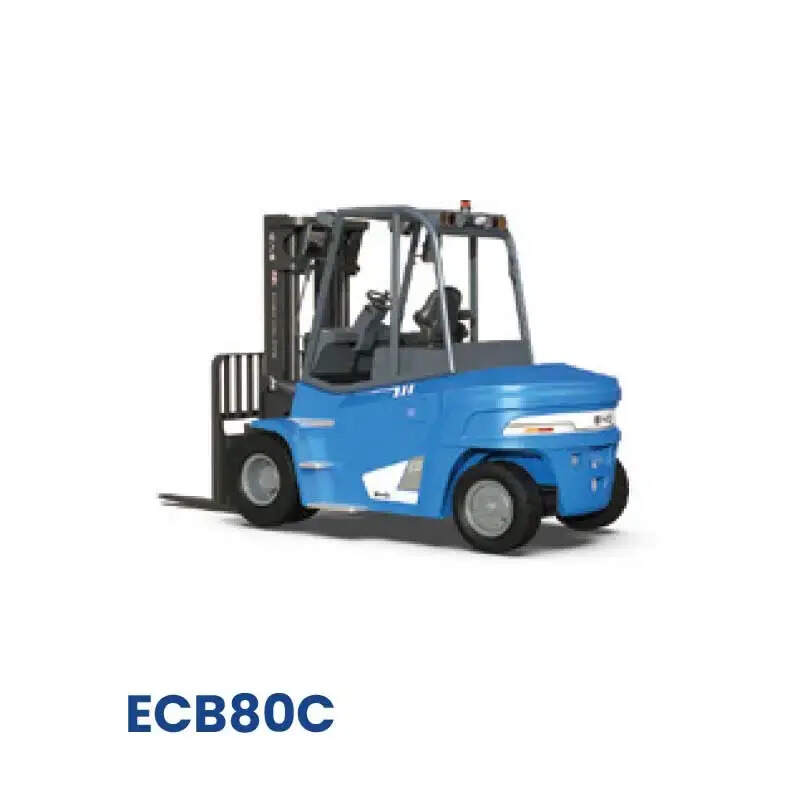
Many manufacturing and processing factories that have been in operation for more than 5 years often face prominent pain points of aging material handling equipment. Long-running old equipment usually shows increasing failure rate, rising annual maintenance cost, high energy consumption and noise emission, which can not keep up with the requirements of current safety management, low-carbon operation and continuous improvement of logistics efficiency. A complete and systematic pre-research system can help factories avoid blind investment in equipment replacement, and obtain stable expected benefits after implementation.
The first core part of the research is baseline assessment of existing equipment and operation scenarios. The operation management team needs to count the total service time, monthly average maintenance cost, annual energy consumption, annual total working hours and historical safety related records of each old material handling equipment. At the same time, the team should sort out the actual demand of daily handling scenarios, including the maximum load weight of conventional goods, required maximum lifting height, warehouse channel width, average continuous operation hours per shift and special environmental conditions such as low temperature storage or dust working area. All these data can provide objective reference for subsequent new equipment selection, rather than making decisions only by experience or initial procurement budget.
The second part of the research is full life cycle performance comparison of alternative new equipment options. Teams should focus on checking core parameters including battery duration, full charging time, daily maintenance difficulty, spare parts cost, noise level and emission index of different types of new electric material handling equipment. It is necessary to calculate the total operating cost of each alternative equipment within 3 to 5 years, including electricity fee, daily maintenance expense and consumable replacement cost, instead of only comparing the initial purchase price. For factories with two-shift or three-shift operation mode, it is also necessary to verify the matching degree between the equipment's energy replenishment scheme and the gap time of on-site operation, to avoid operation interruption caused by insufficient power supply.
The third part of the research is site adaptation and compliance verification. The team needs to confirm whether the turning radius of the new equipment matches the existing warehouse channel, whether the pre-set charging area meets the local safety and fire protection specifications, and whether the on-site operators can complete the skill adaptation after short-term standardized training. All relevant compliance requirements for industrial electric equipment in the local industrial operation management rules should be checked one by one to eliminate potential hidden risks after the new equipment is put into use.
The fourth part of the research is the formulation of phased replacement trial scheme. It is not recommended to replace all old equipment at one time. The team can select a relatively independent operation area to carry out 1 to 2 months of pilot operation, record the actual operation data of the new equipment during the period, collect feedback from front-line operators, adjust the selection and supporting configuration according to the actual situation, and then gradually promote the replacement work in the whole plant. This research logic can effectively control unnecessary waste of resources, and help factories complete the update of material handling system stably.


