
 简体中文
简体中文 Русский
 Français
 Português
 Español
 لالعربية

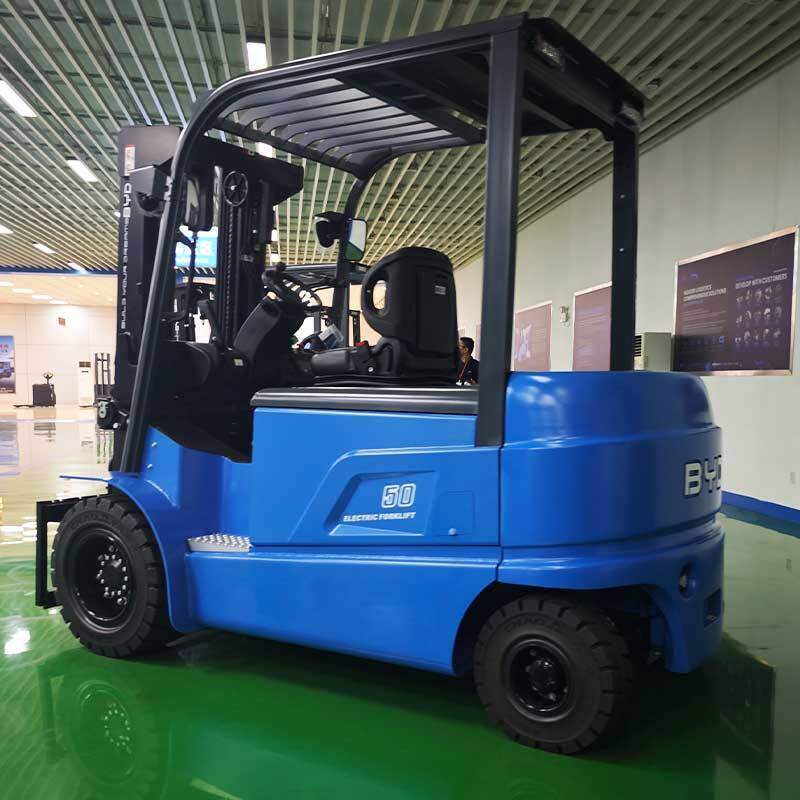
In recent years, as intralogistics scenarios have put forward higher requirements for operation comfort, safety and comprehensive cost performance of material handling equipment, modern electric pallet trucks have been no longer limited to the basic function of lifting and moving palletized goods, and are equipped with a large number of practical auxiliary functions customized for actual operation pain points. These auxiliary functions are designed based on the long-term use data of different warehousing, manufacturing and retail logistics scenarios, which can bring tangible value for operators and enterprise managers without extra complicated operation thresholds.
The first category of widely configured auxiliary functions is safety-related assistance modules. For example, the curve adaptive speed reduction function can automatically identify the steering angle of the equipment, and actively adjust the running speed to a reasonable range when the operator turns at a large angle, avoiding side slip or cargo tipping caused by excessive speed during turning. The ramp hold auxiliary function can lock the running wheel automatically when the equipment stops on a sloped passage, preventing the equipment from slipping down the slope accidentally even if the operator releases the operation handle. There are also obstacle proximity warning, over-load prompt and fork height limit reminder functions, which can remind operators of potential risks in time through sound or light signals, effectively reducing the probability of accidental collisions, cargo damage and personnel injury in daily high-frequency operation.
The second category of auxiliary functions focuses on operation optimization and experience improvement. The adaptive steering assistance function can adjust the steering resistance dynamically according to the current load weight, so that operators can easily control the direction even when the equipment carries full load, effectively reducing the long-time operation fatigue. The fixed-speed cruise auxiliary function supports operators to activate the constant-speed running mode in long-distance straight passage scenarios, without holding the operation handle continuously, which greatly improves the moving efficiency in large-size warehouses. The novice operation restriction mode can limit the maximum running speed of the equipment within a safe range for new employees who have not been fully trained, and reduce the operation difficulty with more sensitive feedback of the operation handle, helping new operators get familiar with the equipment quickly without potential safety risks.
The third category of auxiliary functions covers energy management and intelligent maintenance assistance. The dynamic remaining range estimation function can calculate the available remaining working time and running distance in real time combining the current battery level, actual load weight and recent operation habits, so that logistics managers can arrange equipment use and charging plans reasonably. The automatic energy-saving sleep function will enter the low-power consumption state after the equipment stays idle for a set period, effectively extending the single full-charge working duration. The on-board self-diagnosis function can feed back the specific abnormal position and simple solution guide to the operator through the display screen once the equipment has minor faults, shortening the troubleshooting time and reducing the waiting cost of on-site maintenance.
All these auxiliary functions are designed to fit the actual demands of different operation scenarios, rather than redundant fancy configurations, helping enterprises reduce the comprehensive operation cost while bringing more stable and user-friendly using experience.


