
 简体中文
简体中文 Русский
 Français
 Português
 Español
 لالعربية

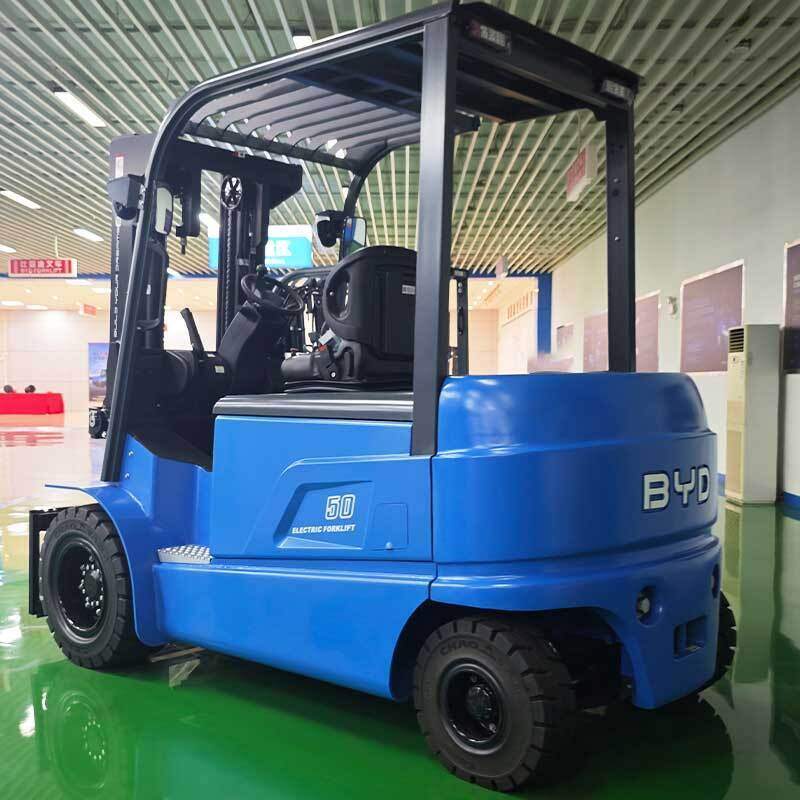
For multi-warehouse operators that manage scattered storage sites across different regions and serve varied business scenarios, electric material handling equipment research is far more than a single-site procurement task, but a systematic assessment project that matches the overall operation network’s long-term development goals.
The first step of standard research is to build a global demand baseline that covers all operating sites. Operation teams will collect full data of every warehouse’s daily operation attributes, including average load weight of goods, daily continuous operation hours, aisle width, ramp climbing demand, special environment requirements for low temperature or dust prevention, as well as the existing data interface standard of the current warehouse management system. All data will be summarized to form a unified demand framework, to avoid the situation that equipment selected by a single warehouse cannot be connected to the cross-site fleet scheduling system, which will cause resource barriers for later unified deployment.
Next, teams will conduct full lifecycle cost measurement rather than only focusing on the initial procurement expenditure. The measurement dimension covers not only the equipment purchase price, but also the subsequent battery replacement cost, daily routine maintenance cost, transformation cost of charging infrastructure at different sites, the cost gap brought by peak-valley electricity price difference across regions, as well as available low-carbon operation related policy incentives that can offset part of the investment. By comparing with the long-term operating expenditure of traditional internal combustion handling equipment, teams can calculate a reasonable investment return cycle range that fits the group’s financial plan.
Before large-scale procurement, multi-warehouse operators will arrange small-scale pilot verification for 30 to 60 days. They will select 2 to 3 typical warehouses with different operation scenarios, put the candidate equipment into actual daily handling work, and record real operation data including actual energy efficiency, operator adaptation degree, minor fault frequency, and docking smoothness with the existing management system. Feedback from frontline warehouse staff who use the equipment every day will be collected fully, to help the management team adjust the final equipment selection parameters, and avoid batch investment deviation caused by theoretical data only.
The last part of the research is to verify the matching degree of supporting service system. Teams will confirm that the service network of the selected electric equipment supplier can cover all operating sites, guarantee the timeliness of spare parts supply and on-site maintenance, provide unified operation training for operators across all warehouses, and reserve compatible upgrade space for future function iteration. A complete research system can help multi-warehouse operators give full play to the efficiency and environmental protection advantages of electric handling equipment, and support the steady upgrading of the whole storage network.


