
 简体中文
简体中文 Русский
 Français
 Português
 Español
 لالعربية

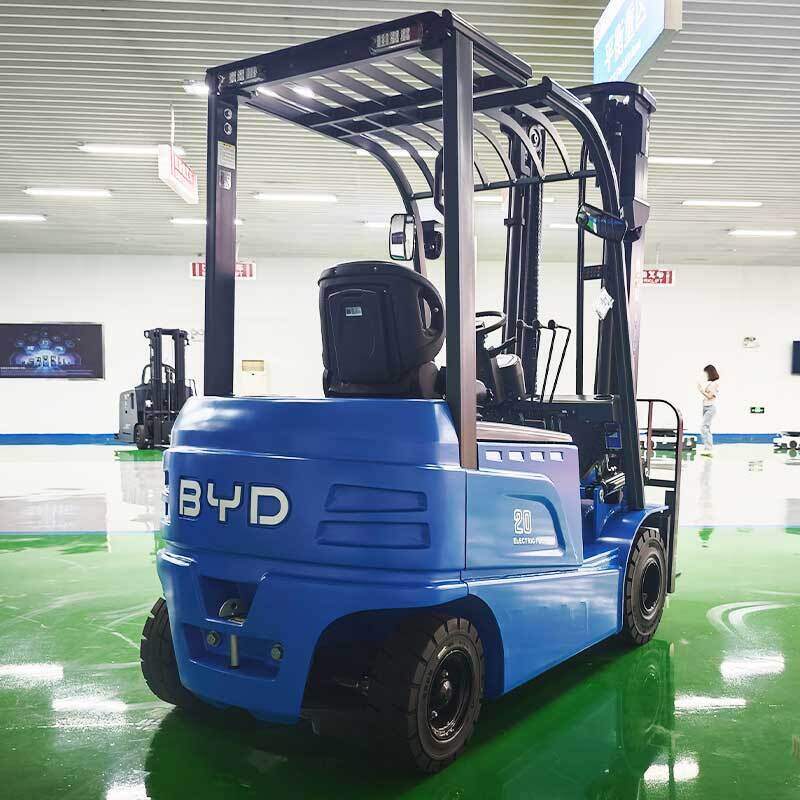
Lithium battery systems have become a mainstream power choice for modern electric forklifts in industrial material handling scenarios, thanks to their high energy density, low self-discharge rate and long cycle life compared with traditional lead-acid alternatives. Over-discharge, as one of the most common improper working conditions that may damage lithium forklift batteries, refers to the state where the battery cell voltage drops below the safe threshold after long-term deep discharge or idle operation with residual power, which will cause irreversible attenuation of battery activity if not properly handled. That is why over-discharge protection is set as a core safety function for all qualified lithium forklift power systems.
The standard over-discharge protection mechanism for lithium forklift systems works through the integrated battery management unit, which monitors the real-time voltage of each single cell, total battery pack voltage, output current and remaining capacity data at all times. When the monitored data hits the pre-set safe threshold, the system will first send out a low-level warning through the instrument panel prompt light or buzzer, to remind operators to stop high-load operations and return the forklift to the charging area in time. If the warning is not noticed and the voltage continues to drop to the secondary protection threshold, the system will automatically cut off the power output to the walking and hydraulic lifting components, to avoid further damage to the internal chemical structure of the lithium cells.
For forklift operators and fleet managers, mastering correct operation habits is as important as the built-in over-discharge protection function itself. It is not recommended to leave electric forklifts idle for more than 3 consecutive days when the remaining battery capacity is lower than 20%, to prevent slow self-discharge from pushing the cell voltage below the safe line. For long-term stored forklifts, regular supplementary charging once every 2 to 4 weeks is required to keep the battery capacity within the recommended 40% to 60% range. Routine daily inspection for the normal operation of the over-discharge protection prompt function can help teams avoid unexpected power loss during heavy shift operations in warehouses or port cargo yards.
It is worth noting that the over-discharge protection function is a passive safety barrier, not a substitute for standardized battery use and maintenance. Following the official operation specifications for lithium forklift power systems can effectively extend the overall service life of the battery pack, reduce unplanned downtime of material handling equipment, and ensure stable and efficient operation of daily industrial logistics workflows.


