
 简体中文
简体中文 Русский
 Français
 Português
 Español
 لالعربية

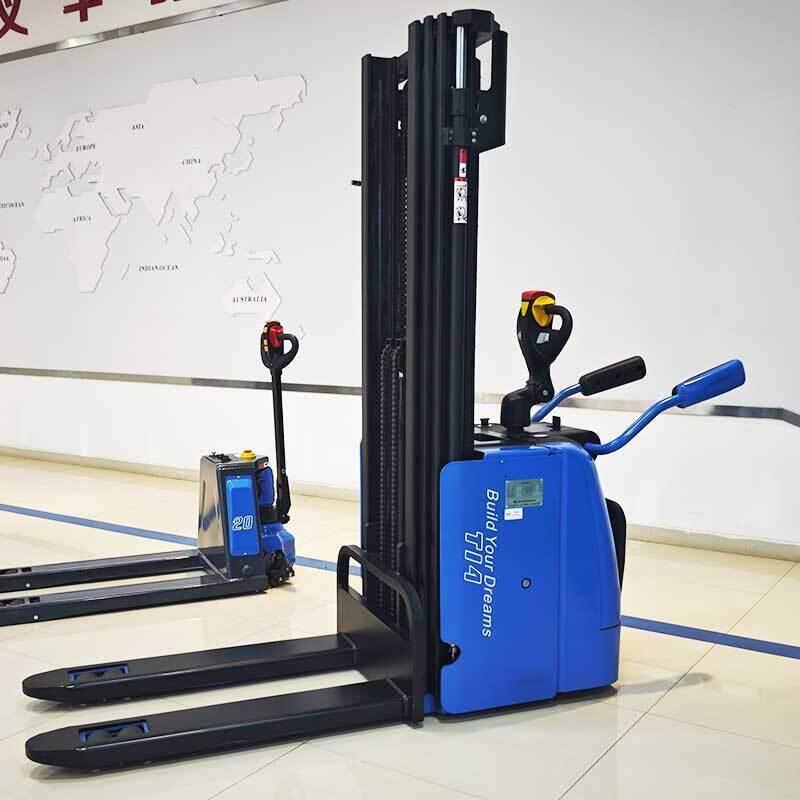
In recent years, the overall operation intensity of the logistics industry has been continuously increasing, with higher requirements for the continuity, safety and cost control of material handling equipment. More and more logistics operation sites are launching equipment upgrading plans, and gradually phase out the original lead-acid forklift systems that have been widely used for a long period. This trend is not driven by a single factor, but a comprehensive decision made by site operators after multi-dimensional calculation of long-term operation benefits.
First of all, the accumulated operation and maintenance cost of lead-acid forklift systems is higher than expected for most high-turnover logistics sites. The lead-acid battery pack needs regular manual maintenance work, including distilled water replenishment, electric quantity equalization treatment, and regular acid density detection. These works need to arrange special personnel for operation, and occupy extra labor cost that does not directly generate revenue. In addition, the full charging cycle of lead-acid forklift is usually 2 to 3 hours, and a special independent charging area needs to be set aside in the site, which takes up limited warehouse space that could have been used for cargo storage. For logistics sites that pursue high sorting and turnover efficiency, the long preparation time of lead-acid forklift will reduce the actual working hours of equipment every day, and indirectly restrict the overall operation capacity of the site.
The second core factor comes from the requirements of safety and environmental compliance. During the charging process of lead-acid batteries, a small amount of corrosive gas will be released. If the ventilation condition of the designated charging area is not up to standard, potential safety risks will be gradually accumulated. In addition, the waste lead-acid batteries need to be stored and disposed of in accordance with special hazardous waste management specifications. With the continuous upgrading of environmental protection regulatory requirements in various regions in recent years, the daily compliance management cost of lead-acid forklift systems has also increased accordingly, which makes many site operators choose to replace the equipment with power solutions that are more in line with current compliance standards.
Furthermore, the new generation of electric forklift systems can better match the current refined operation needs of logistics sites. Such equipment does not need complex daily maintenance procedures, the power output remains stable under long-time high load operation, and the full charge time is greatly shortened. It can also be seamlessly connected with the intelligent equipment scheduling system of the logistics site later, helping the site to realize the management goal of low-carbon and green operation. From the perspective of the full life cycle, the comprehensive use cost of the upgraded forklift system is more controllable, which can bring more stable support for the daily operation of logistics sites.
This equipment iteration trend in the logistics industry is a normal manifestation of the industry's gradual development towards more efficient and compliant operation mode, which also conforms to the long-term development planning of most logistics operation entities.


