
 简体中文
简体中文 Русский
 Français
 Português
 Español
 لالعربية

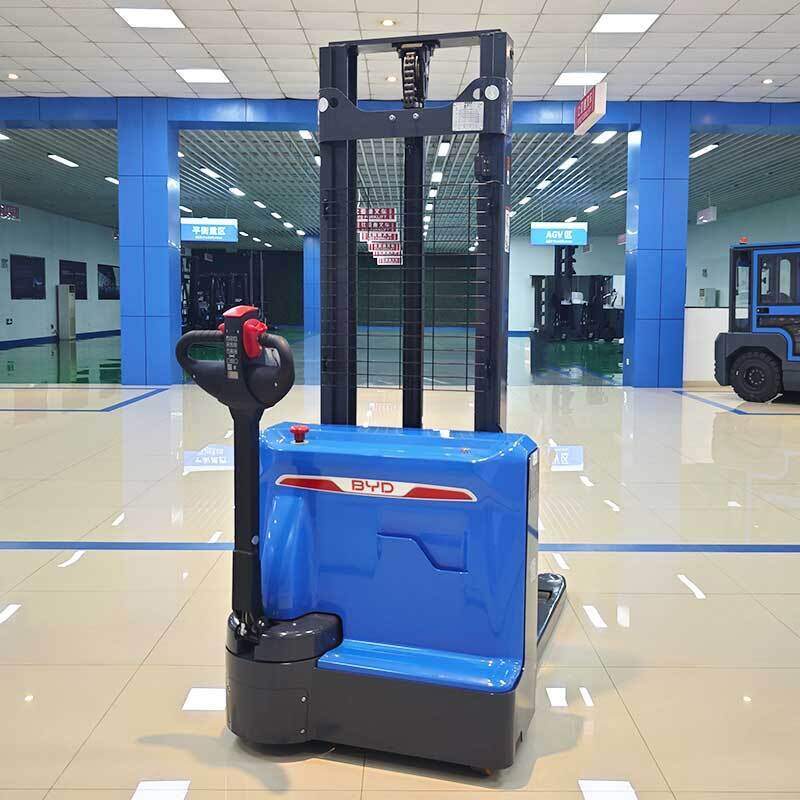
For industrial facilities that deploy electric forklifts as core logistics handling equipment, mastering all requirements of forklift battery charging safety standards is a core priority to avoid fire, electric shock, chemical leakage and other common hazards in daily operations. The first key facility that related teams need to learn about is the dedicated designated charging area. This area must be separated from ordinary cargo storage zones, flammable material stacking points and high-traffic pedestrian passages, with clear non-slip floor treatment, sufficient ventilation to disperse the hydrogen gas generated during lead-acid or lithium-ion battery charging processes, and no open fire sources allowed within 3 meters of the surrounding perimeter.
The second type of supporting facilities that must match safety standards is dedicated charging protection equipment. Each charging station should be equipped with appropriate specification fire extinguishers suitable for electrical and battery fires, independent over-current and over-voltage protection devices connected to a stable dedicated power supply circuit, and obvious warning signs to remind unrelated personnel not to approach without professional operation training. Facilities should also be equipped with neutralizing and absorbent materials that can handle possible small electrolyte leakage, to prevent leaked corrosive substances from eroding the ground or damaging surrounding equipment.
Facility management teams also need to arrange dedicated rest and maintenance spaces for batteries after charging. According to formal safety standards, batteries that have just finished high-load operation or completed full charging should be placed in a heat-dissipation designated zone first, to avoid direct contact with high-temperature heat sources that may cause abnormal thermal runaway risks. All operation staff who take charge of daily charging work need to receive regular standard training, master the correct steps to connect and disconnect charging plugs, and be able to carry out initial emergency disposal for small abnormal situations found on site.
All above facility configurations and operation processes should be checked regularly to ensure full compliance with local industrial safety regulatory requirements. Teams should record the daily charging operation logs, check the aging condition of charging cables, protection devices and ventilation facilities on a scheduled basis, and replace aging damaged parts in time to eliminate hidden risks in the budding stage. Properly implementing these safety standards can effectively extend the service life of forklift batteries, reduce unexpected operation downtime of handling equipment, and create a safer and more stable working environment for all on-site staff.


