
 简体中文
简体中文 Русский
 Français
 Português
 Español
 لالعربية

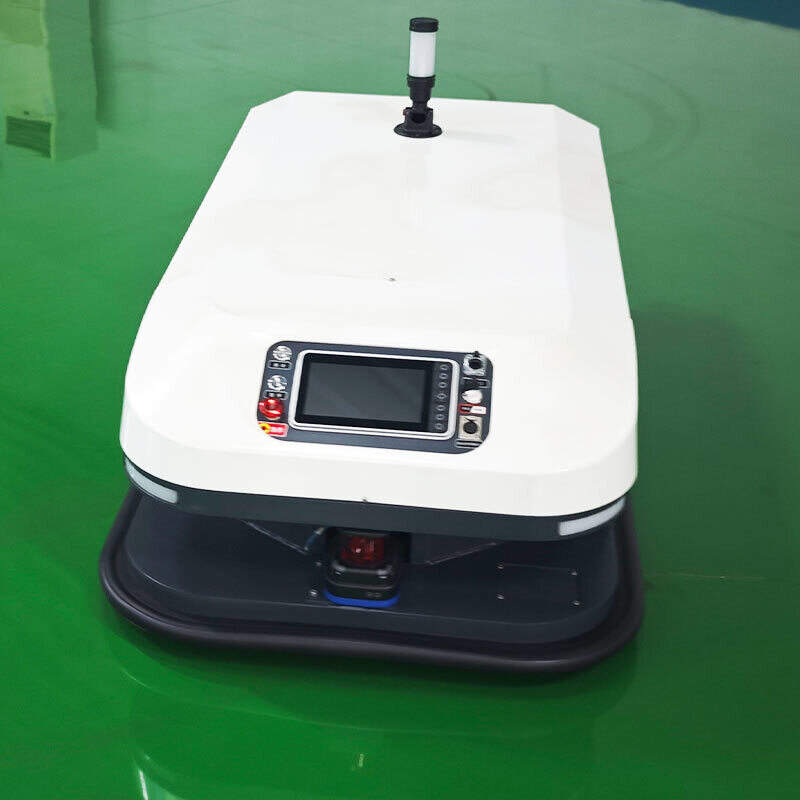
Standard lithium-ion warehouse forklifts are widely used in indoor logistics, retail storage and light manufacturing scenarios for their low noise, zero local emission and low daily maintenance cost. Many warehouse operators tend to treat this type of equipment as a universal solution for all material handling tasks, ignoring the inherent design limitations that will affect operation safety and service lifespan if not followed properly.
The first noticeable limitation comes from ambient temperature adaptability. The standard lithium-ion battery pack installed on this type of forklift is calibrated to work stably within the temperature range of 0℃ to 40℃ for routine operations. If the equipment is used in a low-temperature environment below 0℃ for a long time, the discharge efficiency of the battery will drop significantly, and fast charging behavior at this temperature will bring extra wear to the internal electrode structure. In high temperature scenarios above 40℃, continuous high load operation will accelerate the aging of the battery management system and electrical components, increasing the probability of unexpected shutdown in the middle of working process.
The second typical limitation is related to load and lifting height scenarios. Standard warehouse lithium-ion forklifts are designed with fixed rated load parameters matched to specific lifting height ranges. When the actual cargo weight exceeds the marked rated load, or the operator tries to lift heavy loads to the maximum allowed height frequently, the center of gravity of the whole vehicle will shift beyond the pre-set safety threshold, which will undermine the driving stability of the equipment. It is not recommended to use this type of forklift for overloading tasks even in short-distance handling, as such behavior will also bring extra burden to the driving motor and hydraulic system.
The third limitation refers to applicable road conditions. Most standard lithium-ion warehouse forklifts are developed for flat, hardened indoor cement or epoxy floors. Driving on slopes with gradient over 5% for a long time will cause unbalanced load on the wheel side and damage the sealing performance of the battery pack. Rough, gravel-covered outdoor roads or areas with unmarked potholes will easily scratch the bottom housing of the equipment, which may cause hidden risks of electrical leakage. The standard model also does not support passing through water areas with depth over 10cm, as water may seep into the electrical control interfaces and cause short circuit faults.
In addition, standard lithium-ion warehouse forklifts are not suitable for special industrial scenarios without additional protective measures, such as workshops with dense conductive dust, corrosive steam or high explosive risk. Operators can formulate targeted usage rules according to these typical limitations, to give full play to the performance of the equipment while ensuring the safety of on-site operation.


