
 简体中文
简体中文 Русский
 Français
 Português
 Español
 لالعربية

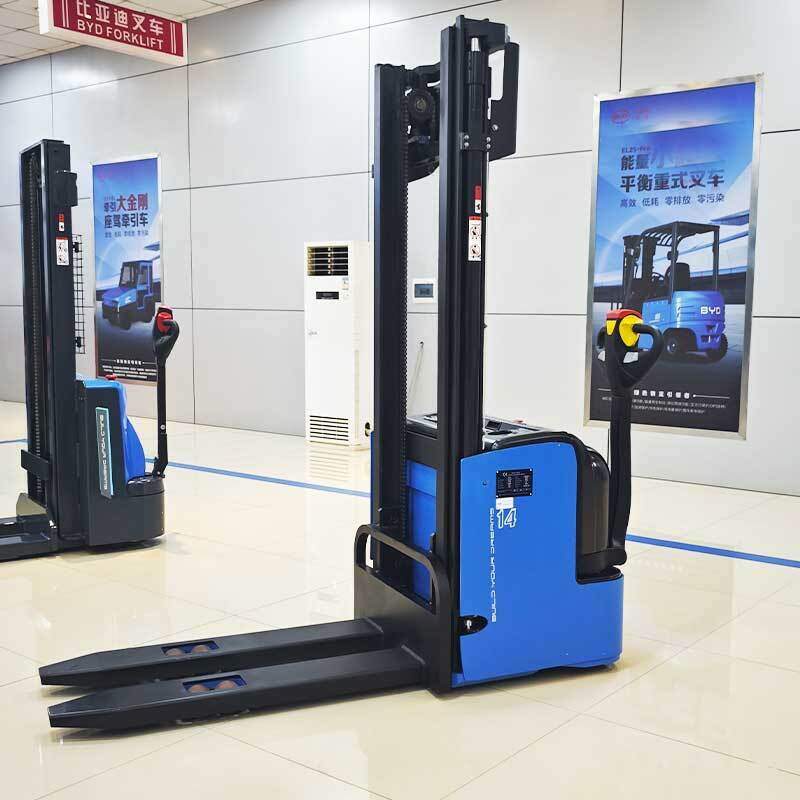
Against the backdrop of rising carbon emission requirements and continuous optimization of logistics operation costs, more and more third-party logistics enterprises are choosing to deploy electric forklift fleets to replace traditional internal combustion equipment, to meet the dual needs of efficiency improvement and compliance operation. A standardized and practical procurement reference can help enterprises avoid common misunderstandings in the investment process, and maximize the input-output ratio of fleet assets.
First of all, it is necessary to complete full investigation of actual operation scenarios before formal procurement. Third-party logistics enterprises usually carry out diversified entrusted storage and distribution services, and the operating conditions of different sites vary greatly. Teams need to sort out core parameters including daily average operation hours, maximum load weight of handling goods, working aisle width of the warehouse, temperature conditions of special storage areas, and daily peak throughput, to select electric forklift models that match the actual demand, instead of blindly pursuing excessive performance parameters to cause unnecessary waste of budget.
The second core part is to carry out full life cycle cost accounting. Instead of only focusing on the initial purchase price of the equipment, the procurement team needs to calculate the long-term benefit difference between electric equipment and traditional internal combustion equipment, including the cost difference between electric energy and fuel, the routine maintenance cost of electric drive system, the available green supporting subsidies in local regions, and the residual value of equipment after years of use, to accurately calculate the return on investment cycle of the electric fleet, and make the budget arrangement more reasonable.
Thirdly, it is necessary to make supporting operation and maintenance planning in advance before the fleet is in place. The site team can plan the layout of charging points reasonably according to the peak and trough rules of operation, arrange targeted safety operation training for front-line drivers, and sign a clear service agreement with the equipment supplier to confirm the on-site response time of after-sales maintenance, to avoid operation interruption caused by equipment failure, which will affect the normal performance of customer orders.
Finally, it is recommended to carry out small-scale pilot verification before large-scale procurement. Enterprises can select 1 to 2 core operation sites to put a small number of electric forklifts into trial operation, collect actual operation data of 1 to 3 months to adjust the original configuration and supporting plans, and then carry out batch investment after confirming that the scheme matches the operation demand. After completing the above links, the electric fleet can effectively help third-party logistics enterprises improve the competitiveness of green supply chain services, and obtain stable long-term operation benefits.


