
 简体中文
简体中文 Русский
 Français
 Português
 Español
 لالعربية

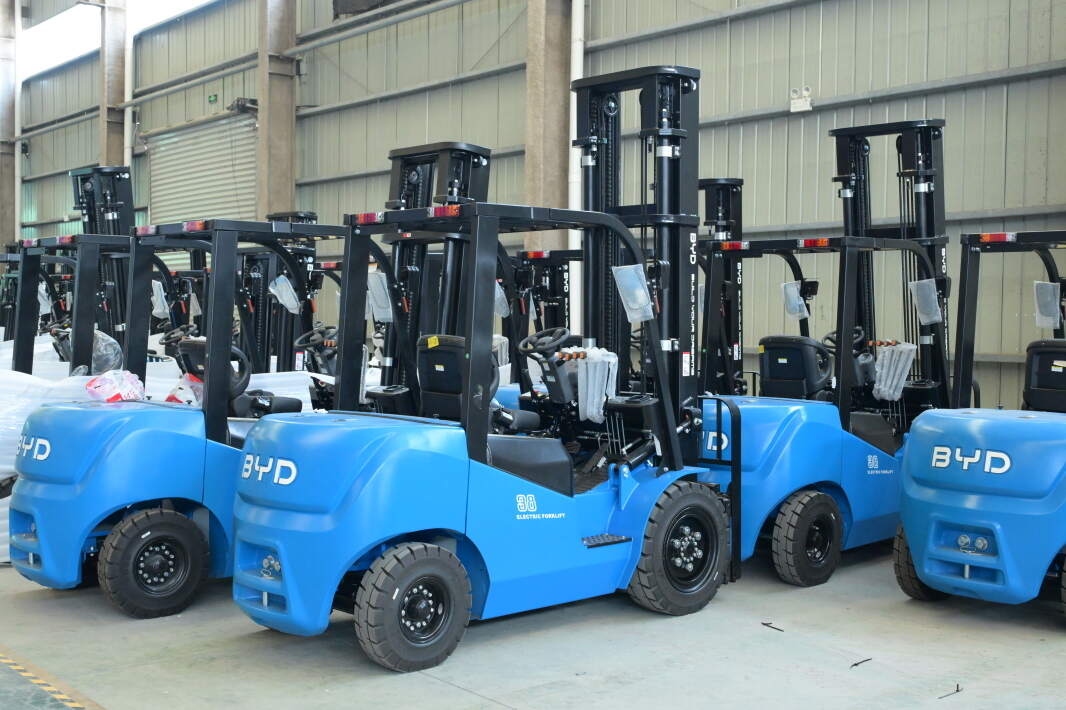
For most manufacturing and processing factories, the material handling fleet is a core component that supports daily production and cargo turnover. Replacing aging fleets with brand-new lithium-ion forklift systems is a systematic work that needs multi-dimensional verification to avoid unnecessary disruption to regular operation.
The first phase is pre-replacement full scenario assessment. Before launching the replacement plan, the management team should first sort out full data of the existing old fleets, including average daily working hours, maximum load requirement per operation route, warehouse aisle width, existing power supply layout in operation areas, and annual maintenance cost of old vehicles. The team can also record the peak operation period of each shift to confirm the power consumption demand, which helps to select the lithium-ion forklift models that fully match the actual working scenarios, instead of choosing specifications that exceed actual demand and cause extra cost. Relevant teams can also communicate with on-site frontline operators to collect actual pain points of using old fleets, to make targeted adjustment in the new system arrangement.
The second phase is stepwise transition deployment. It is not recommended to replace all old fleets at one time. Factories can arrange 20% to 30% of new lithium-ion forklifts to run as pilot units first, covering high-frequency operation routes, low-temperature storage areas and heavy load distribution routes. The pilot operation period can last 2 to 4 weeks, during which the operation team can record the actual power consumption, charging time and operation efficiency of new vehicles, and adjust the charging point layout and shift arrangement to fit the whole factory’s operation rhythm. This gradual arrangement can eliminate the hidden trouble of operation gap brought by full replacement at one time.
The third phase is standardized training and daily management. After the new fleets are put into formal use, the factory shall organize targeted training for forklift operators and maintenance personnel, including correct operation specifications of lithium-ion power system, daily inspection items of vehicle status, and standardized response process for abnormal conditions. Factories can also establish a unified operation ledger for the new lithium-ion forklift fleets, record daily operation data regularly, and carry out routine inspection and maintenance according to the preset cycle, to extend the service life of the whole fleet steadily. When factories finish the full replacement process, they can also adjust the fleet allocation dynamically according to the subsequent change of production scale and operation demand, to give full play to the supporting value of the new lithium-ion forklift systems for daily material handling work.


