
 简体中文
简体中文 Русский
 Français
 Português
 Español
 لالعربية

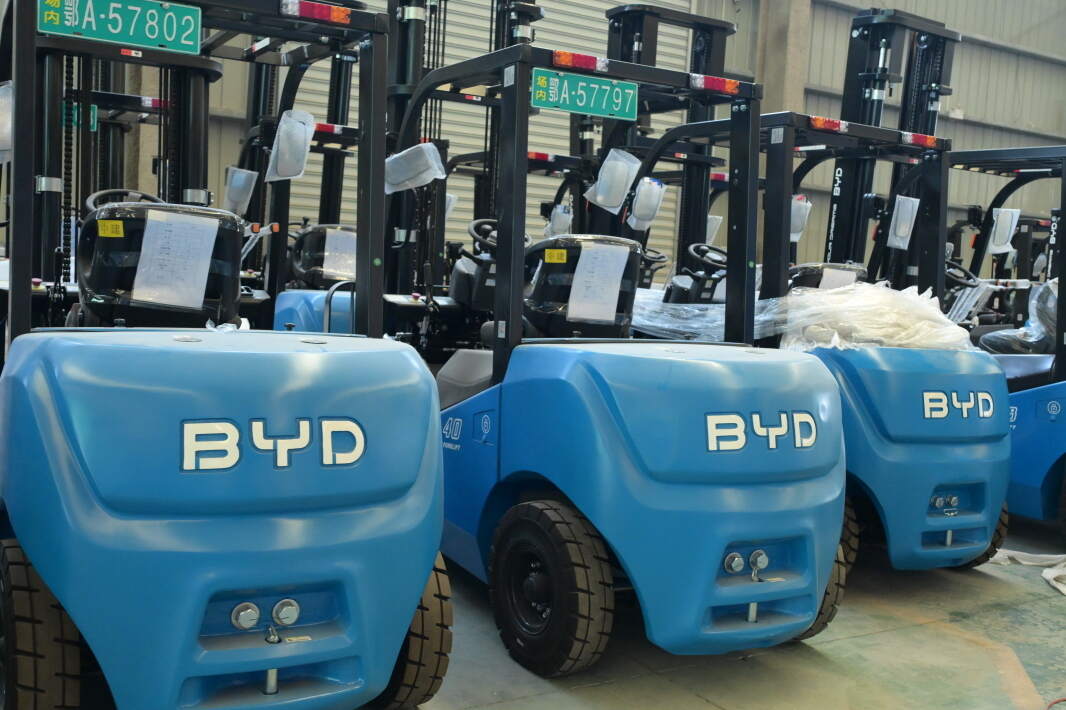
When sourcing electric forklifts for warehouse, logistics or manufacturing material handling scenarios, verifying full compliance of equipment via official certification documents from qualified suppliers is a critical step that many procurement teams tend to overlook. These documents do not only prove the equipment meets recognized safety and performance standards, but also help operation teams avoid unqualified products that may lead to potential operation hazards, regulatory penalties or extra unnecessary maintenance costs.
The first category of documents to request is standard safety certification for industrial vehicles. These documents are issued by authorized third-party testing institutions after systematic inspection on core components of the forklift, including braking system, lifting structure, electric insulation module, overload protection unit and operator protection structure. Before confirming the order, purchasing staff should check that the certification covers the exact model of the forklift you select, and is still within the valid period stated on the official document, instead of accepting general unmarked template copies that do not match the actual equipment parameters.
The second category is environmental and emission related compliance certificates. For electric forklifts, these documents mainly verify that the on-board power battery, energy management system and waste treatment scheme of the product meet local industry rules on low carbon operation and environmental protection. For enterprises that have ESG assessment requirements or apply for green operation certifications for their working sites, these documents can also serve as valid supporting materials for relevant review processes.
The third category includes quality management compliance documents from the supplier side. These documents prove that the production, assembly and outgoing inspection procedures of the forklift are operated in line with universal industrial equipment quality management standards. They can also help confirm that the rated load, continuous working hours and other core performance parameters of the equipment are marked in accordance with public industry norms, so as to avoid mismatching between expected performance and actual usage experience.
The last category of documents is related to after-sales service compliance. These documents mainly include the qualification certificates of on-site maintenance technical personnel, standard operation specification of regular maintenance services, and valid training guidance documents for forklift operators. After receiving all the above documents, it is suggested to cross check the key information with official public inquiry channels when necessary, so as to establish a complete equipment access management mechanism and reduce long-term comprehensive operation risks.


