
 English
 简体中文
 Русский
 Français
 Português
 Español


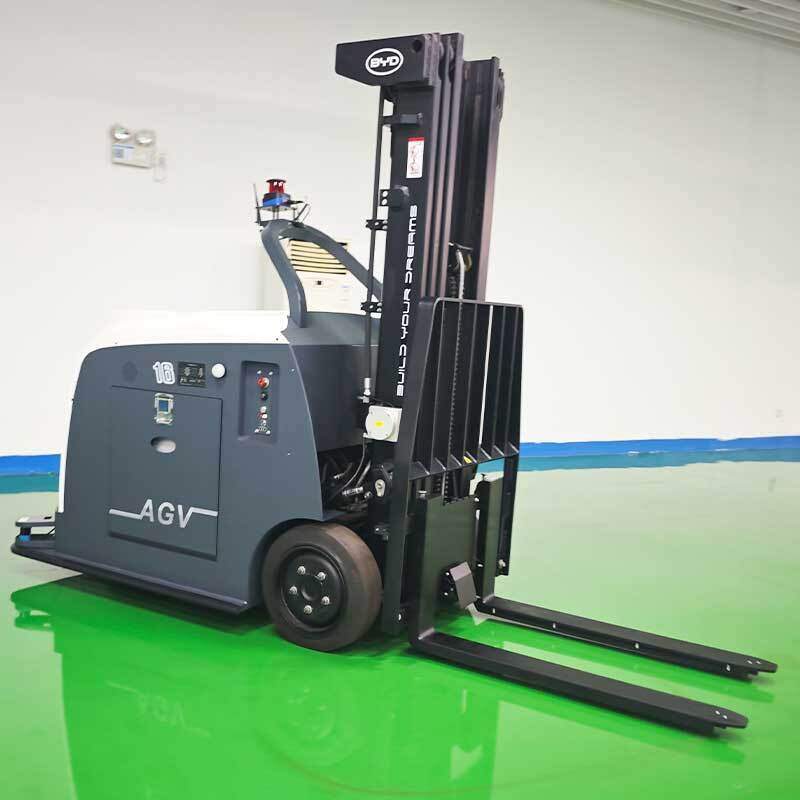
Against the background of growing demand for low-carbon and efficient industrial logistics, electric forklifts have become one of the most widely used material handling equipment in closed warehousing, manufacturing workshops and retail distribution centers in recent years. Mastering the core properties, correct usage and maintenance rules of such equipment can help relevant practitioners give full play to its value in daily operation.
Core Functional Advantages of Electric Forklifts
Unlike traditional internal combustion counterparts, modern electric forklifts produce no local exhaust emission during operation, which avoids the pollution to stored goods and the health impact to long-term working staff in enclosed spaces. The whole machine runs with relatively low noise, which fits the work environment that requires low noise interference such as food storage and pharmaceutical logistics. Its power output is smoother and more linear, which supports more precise operation when stacking high-position goods or moving fragile materials.
Daily Maintenance Guidelines for Stable Operation
Do a basic pre-use check before each shift, including confirming the remaining battery power, checking the wear condition of solid tires, testing the sensitivity of the braking system, and inspecting whether there is oil leakage on the hydraulic lifting structure. When the equipment is not in use for a long time, keep the battery in a reasonable floating charge state to avoid deep discharge that will shorten the cycle service life of the power unit. Clean up the dust and sundries accumulated on the surface of the body and the heat dissipation air inlet regularly, to prevent abnormal heat accumulation that affects the continuous operation performance.
Standard Operation Specifications for Safety Assurance
All operators need to receive systematic professional training before taking up the post. Confirm that there is no obstacle or unrelated personnel on the planned driving path before starting operation. Do not perform sharp steering or sudden braking when carrying loads at a high position, and keep the center of gravity of the goods within the allowable load range of the equipment to avoid rollover risk. Slow down and send out prompt sound when driving through narrow aisles or blind corners of the warehouse, to reduce the probability of safety accidents.
Efficiency Optimization Suggestions for Daily Scenarios
Combine the existing warehouse moving line planning to arrange the operation path of electric forklifts reasonably, reduce unnecessary empty driving distance, and cut down extra energy consumption and time cost. Select the appropriate matching attachment according to the type of handled goods, to improve the adaptability of the equipment for different operation demands. Arrange the rotation and charging of backup batteries properly, to reduce the non-working waiting time caused by sudden power outage.


