
 English
 简体中文
 Русский
 Français
 Português
 Español


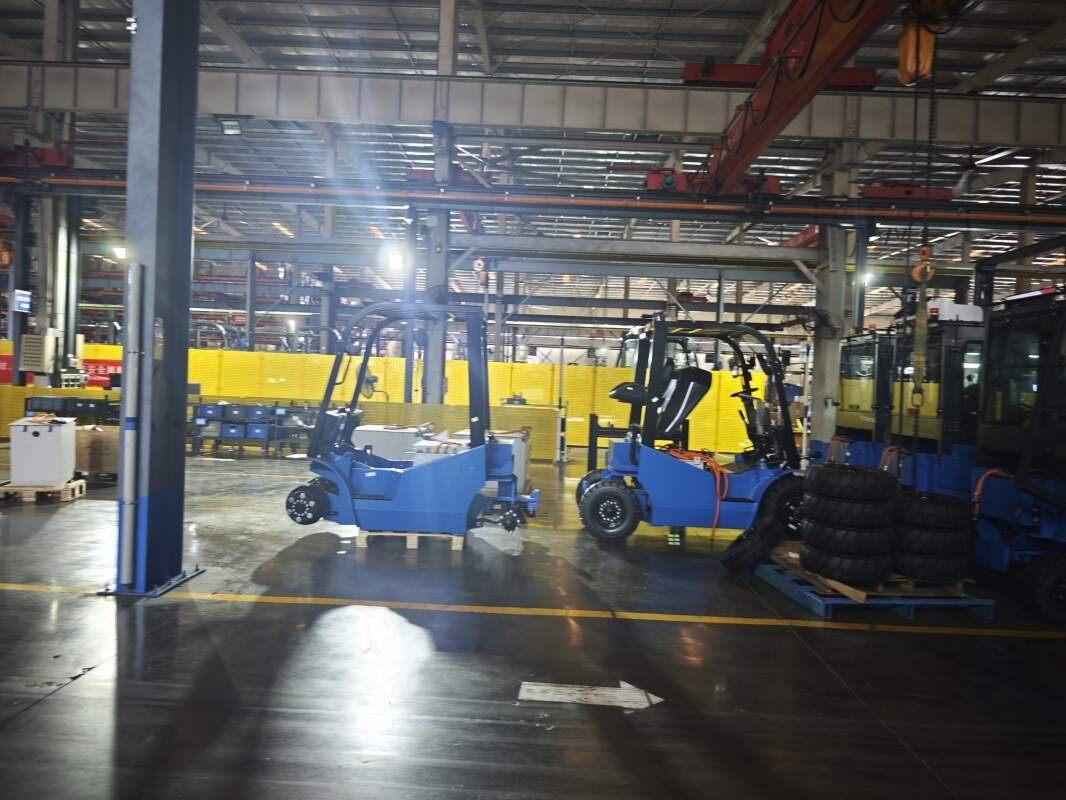
Electric forklifts have been widely adopted in modern logistics, manufacturing and retail warehousing scenarios for their low noise, zero local emission and relatively low long-term operation cost compared with internal combustion counterparts. Many operators still lack systematic, standard operating logic to fully release the equipment’s performance, which easily leads to unnecessary part wear and extra energy consumption during daily use.
Core Daily Operation Specifications
Before each shift, operators need to conduct a full appearance and function check, including remaining power status, brake sensitivity, tire wear condition and lifting mechanism flexibility. Overloading beyond the rated load limit is not recommended, and operators should avoid sharp acceleration, sudden brake and sharp steering when the forklift is running at a high speed. When operating on sloped ramps, keep the load facing the uphill direction and avoid turning on the slope surface. After finishing each operation task, park the vehicle in the designated safe area, lower the fork to a 10cm to 15cm height above the ground and cut off the main power switch if no continuous operation is needed within 30 minutes.
Routine Maintenance Best Practices
Follow the official specified maintenance cycle to carry out targeted inspection, regularly clean the dust and sundries accumulated on the surface of electrical control components, check the tightness of all wiring terminals of the power system to avoid poor contact caused by long-term vibration. Do not use high-pressure water gun to directly flush the electric control box and power battery shell to prevent potential safety risks caused by moisture entry. Add professional lubricating oil to the rotating and connecting parts of the gantry and walking mechanism as required, replace the aging sealing parts and worn buffer blocks in time, which can effectively reduce the failure rate of the whole vehicle during long-term operation.
Energy Efficiency Optimization Tips
Operators can reasonably plan the operation route according to the daily picking and storage tasks to reduce unnecessary empty driving mileage, adjust the running speed according to the surrounding personnel and obstacle density instead of keeping high speed all the time. Avoid keeping the vehicle under full load and high power output state for a long time, do not store the power cell under full power state for more than 72 hours, and try to avoid draining the power to below 20% before charging. These standardized operation habits can effectively reduce the overall energy consumption, extend the cycle life of the power unit and lower the comprehensive operating cost of the material handling link.


