
 English
 简体中文
 Русский
 Français
 Português
 Español


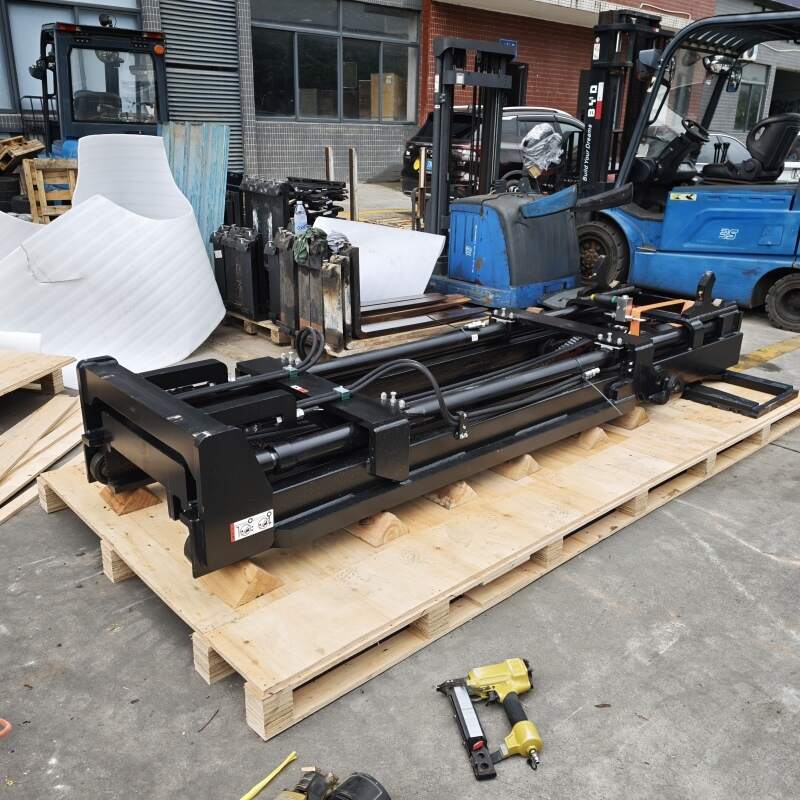
Against the backdrop of rising demand for low-carbon, high-efficiency industrial material handling solutions across different logistics and manufacturing scenarios, electric forklifts have become one of the most widely adopted handling equipment in recent years. Mastering the core knowledge of proper use and management of such equipment helps create a safer working environment and bring more stable operation returns for enterprises.
Core Performance Features of Electric Forklifts for Scenario Adaptation
Different from traditional internal combustion powered handling equipment, electric forklifts operate with significantly lower noise level and zero tail gas emission during the whole working process, which makes them more suitable for enclosed warehouse spaces, food processing workshops and other scenarios with strict requirements for indoor air quality. The whole operation system runs with mild vibration, which effectively reduces the risk of damage to fragile or high-precision goods during the handling process, and the overall operation logic is also more friendly for new operators to get familiar with quickly.
Standardized Daily Operation Norms for Safe Use
Before each shift of operation, operators need to complete a full pre-operation check, including testing the sensitivity of braking system, confirming remaining battery power, checking the tension of lifting chains and clearing obstacles within the surrounding working range. During the operation process, operators should follow the load limit marked on the equipment nameplate, avoid overloading operation, slow down in advance and give clear warning signals when turning, and keep a stable low speed when driving on sloped roads, to prevent accidental sliding or tipping risks caused by sudden acceleration or emergency stop.
Routine Maintenance Rules for Stable Long-term Operation
After finishing the daily operation task, operators need to park the equipment at the designated fixed position, turn off the power supply completely and connect it to the charging device if necessary. The maintenance team should arrange regular cleaning for the battery electrode contacts, to avoid accumulated dust or electrolyte residue reducing the conductive efficiency, and regularly check the sealing parts of the hydraulic lifting system for signs of oil leakage, replace the worn consumable parts according to the official operation manual, to extend the overall service cycle of the equipment.
Practical Tips to Improve Operation Efficiency
For warehouse management teams, they can map out reasonable driving routes for electric forklifts according to the layout of storage racks, reduce unnecessary empty driving distance to cut extra power consumption. It is also recommended to select the equipment with matching rated load according to the common weight of daily handling goods, to avoid energy waste caused by over-spec configuration. Regular skill training for operators can also effectively reduce unnecessary operation errors, and further improve the overall flow efficiency of on-site material handling.


