
 English
 简体中文
 Français
 Português
 Español
 لالعربية


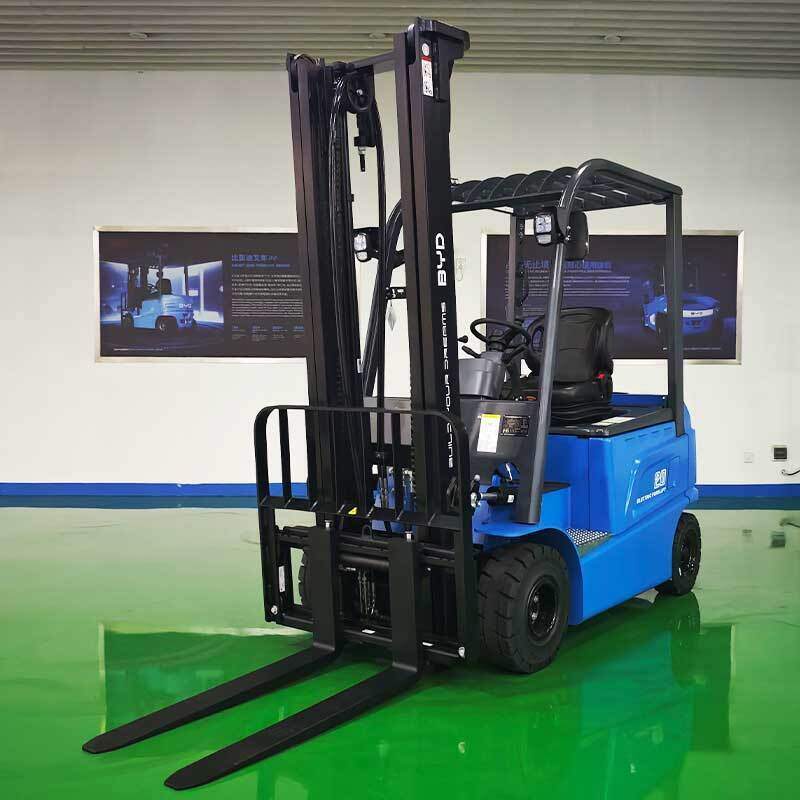
Against the general trend of low-carbon transformation in the logistics sector, electric forklifts have become a mainstream material handling solution widely applied in indoor warehouses, distribution centers and light production workshops. Mastering systematic professional knowledge of electric forklift use and management can help frontline operators and logistics managers maximize equipment performance, build safer working scenes and cut down unnecessary long-term operating expenses.
Basic Performance Features of Standard Electric Forklifts
Different from internal combustion counterparts, standard electric forklifts generate almost zero exhaust emission during working process, which is more suitable for closed indoor operating environment with high requirements for air quality. Most current models adopt sealed battery packs as core power source, which can output stable power within the whole state of charge, and produce relatively low operation noise compared with fuel driven equipment. The whole structure of electric forklift is designed for frequent short-distance material handling scenarios, with flexible turning radius that can adapt to narrow channel layout in most modern warehouses.
Routine Maintenance Rules to Prolong Equipment Service Life
Regular daily inspection and maintenance work is a key link to keep electric forklift in good running state. Before each shift, operators can check the residual power of battery, the sensitivity of brake system and the flexibility of hydraulic lifting structure, and eliminate minor hidden dangers in time. After finishing daily work, operators should park the equipment in designated area, turn off the power supply completely, and charge the battery according to official specified operation requirements to avoid improper charging behavior that may cause damage to battery performance. Regularly clean the dust and debris accumulated on the surface of equipment body, and avoid sundries entering the heat dissipation structure of power system.
Standardized Operation Guidelines for Safe Use
Operators should receive professional systematic training before driving electric forklifts, and strictly follow relevant industry operation specifications in daily work. They should avoid overloading the equipment beyond the rated load weight, and keep stable driving speed when turning or passing narrow channels. When lifting goods to high position, operators should avoid sharp acceleration or sudden braking, to prevent the goods from slipping and causing potential safety risks. For different application scenarios, operators can adjust corresponding operation parameters according to actual working conditions, to get relatively ideal use effect.


