
 English
 简体中文
简体中文 Русский
 Français
 Português
 Español

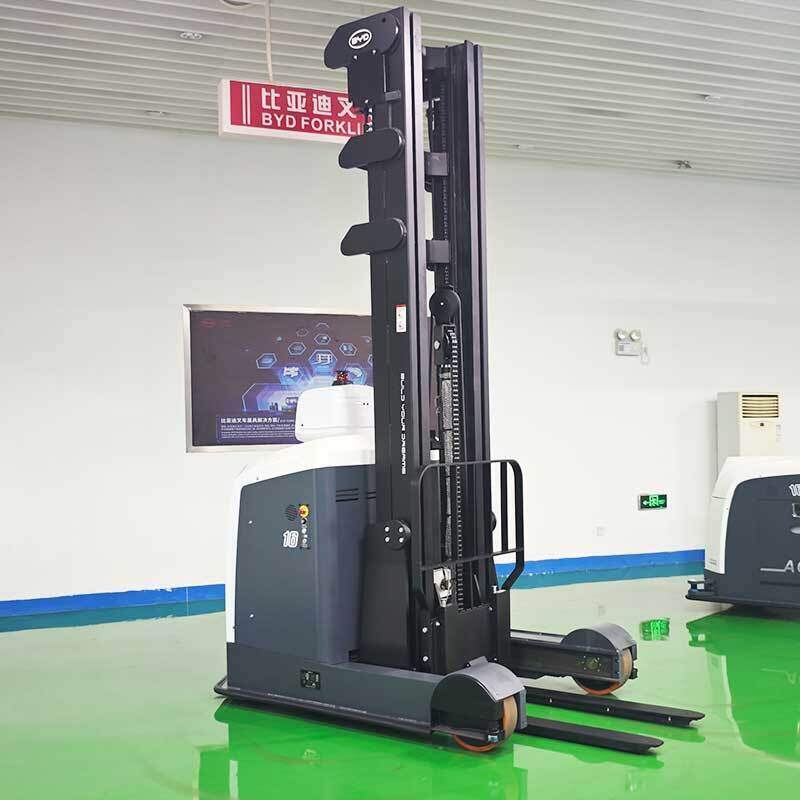
In modern warehouse and logistics operation scenarios, installing trailer-towing attachments on standard electric pallet trucks has become a common low-cost measure to expand short-distance material transfer capacity, which avoids extra investment in independent special towing vehicles and improves the utilization rate of existing handling equipment. Non-standard modified towing attachments with mismatched parameters will bring hidden risks of equipment damage and operation accidents, so it is necessary to clarify clear parameter specifications for matching and use.
First, the core compatibility matching parameters should meet the basic requirements of the original vehicle. The mounting interface of the towing attachment should fully match the reserved mounting position on the body of the standard electric pallet truck, and no destructive modification to the main load-bearing beam of the original vehicle is allowed. The diameter tolerance of the connecting pin between the attachment and the vehicle body should be controlled within the industrial allowed range, and the height of the traction point should be aligned with the standard height of the supporting trailer traction ring, to avoid side rollover risks caused by too high or too low traction point during turning. The static load strength of the traction connection point shall not be less than 1.5 times of the maximum rated load of the original electric pallet truck, to prevent fracture under long-time dragging conditions.
Second, the load-related performance parameters need to match the power output of the original vehicle. The rated towing weight marked on the attachment should not exceed the maximum allowable drag load of the original vehicle drive motor, and obvious load warning marks should be set on the surface of the attachment to remind operators not to overload. The total self-weight of the whole towing attachment shall not exceed the upper limit of additional counterweight allowed at the tail of the standard electric pallet truck, which will not change the original front and rear axle load distribution, and ensure that the braking distance of the original vehicle under full-load towing state will not exceed the safety threshold specified in the industry standard.
Third, the safety structure parameters need to meet the operation protection requirements. The opening force of the anti-drop locking mechanism of the towing hook should be controlled within a reasonable range, which can avoid accidental disengagement caused by bumpy road conditions during driving, and will not cause operation obstacles for on-site staff. All exposed edges of the attachment should be polished into rounded corners, no sharp protruding parts that may scratch operators are allowed. The optional extended signal interface of the attachment can be adapted to the turn signal and brake light circuit of the original vehicle, which can synchronously transmit light warning signals to the rear towed trailer to improve the driving safety in busy operation areas.
Before formal put into use, staff should complete no-load and half-load trial operation tests to verify that the steering, braking and dragging actions are smooth and reliable, and regularly check the wear degree of stress components of the attachment in subsequent daily maintenance, replace parts with excessive wear in time, to ensure long-term stable and safe operation of the whole set of equipment.


