
 简体中文
简体中文 Русский
 Français
 Português
 Español
 لالعربية

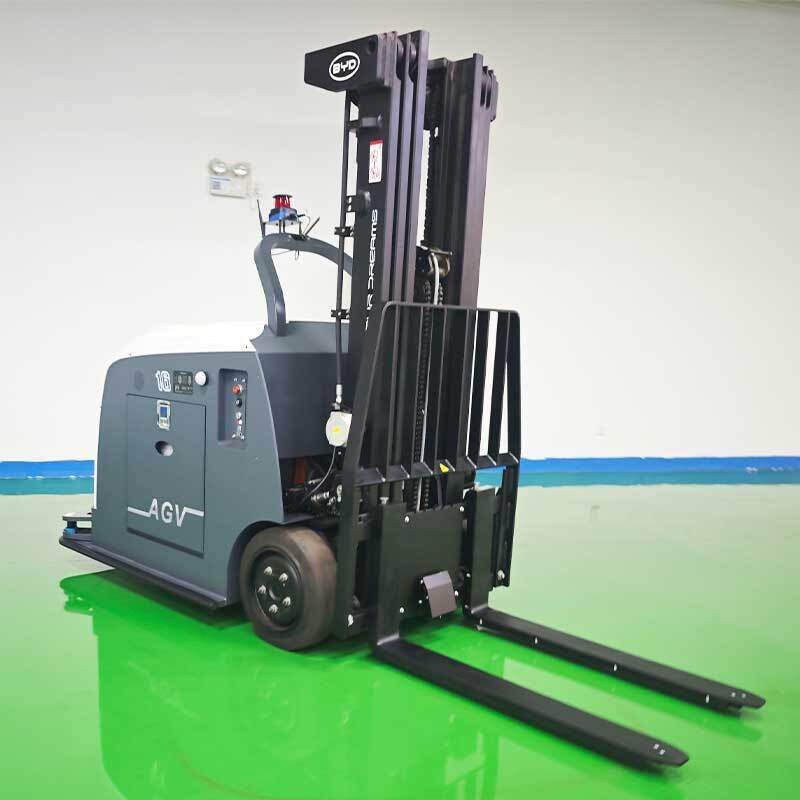
As more logistics and manufacturing enterprises choose to replace traditional internal combustion handling equipment with electric forklift fleets, completing sufficient pre-deployment preparatory work can effectively reduce operation friction in the later stage and give full play to the advantages of electric equipment in environmental protection and operation stability.
Site and Usage Demand Assessment
The first core preparatory step is to carry out a full survey of the actual operation scenario. Relevant personnel need to count the daily average and peak load of goods to be handled, the average travel distance of each handling route, the width of operation channels, the slope parameter of the access area, the height of the loading and unloading platform, and the ambient temperature and humidity of the operation area. These basic data can help the team select electric forklifts with parameters matching the actual demand, so as to avoid insufficient equipment performance or excessive redundant configuration which causes unnecessary waste of resources. Staff also need to confirm the special operation scenarios such as narrow shelf passages and cold storage areas, and make targeted demand matching according to the actual situation.
Power Supply and Supporting Infrastructure Planning
Next, it is necessary to carry out detailed planning for power supply and supporting facilities. The operation team can calculate the total maximum charging power demand of the electric forklift fleet according to the total number of planned deployed vehicles, and invite professional electrician personnel to check the remaining load capacity of the existing power grid in the site. For areas with insufficient power supply capacity, the power grid transformation scheme can be applied for in advance to avoid operation failures caused by insufficient power after the equipment is in place. The charging area should be set in a special open area far from the main operation channel and goods storage area, equipped with corresponding safety protection facilities, and reserve enough reserved interface to meet the demand of subsequent expansion of the fleet scale.
Full-cycle Cost Accounting and System Construction
The enterprise needs to complete the full life cycle cost measurement of the electric forklift fleet, not only focusing on the one-time purchase cost of the equipment, but also including the subsequent battery maintenance cost, charging electricity fee, daily maintenance consumable cost, and the cost of supporting infrastructure transformation. By comparing the long-term operation cost with that of the original internal combustion forklift fleet, the reasonable operation budget can be arranged. At the same time, the management team needs to formulate corresponding daily check system, use ledger system and charging management system for the electric forklift fleet, so as to clarify the operation specifications of all links.
Personnel Skill Training
Before the official launch of the electric forklift fleet, it is necessary to organize targeted training for operators and maintenance personnel. The training content covers the operation differences between electric forklifts and traditional equipment, the basic operation specifications of battery daily maintenance, common simple troubleshooting methods, and safety operation guidelines. After the training, the assessment can be arranged to ensure that all relevant personnel can master the corresponding operation skills, so as to reduce the equipment failure rate in the subsequent operation process. After completing the above preparatory work, the deployment and operation of the electric forklift fleet can be carried out in an orderly manner.


