
 简体中文
简体中文 Русский
 Français
 Português
 Español
 لالعربية

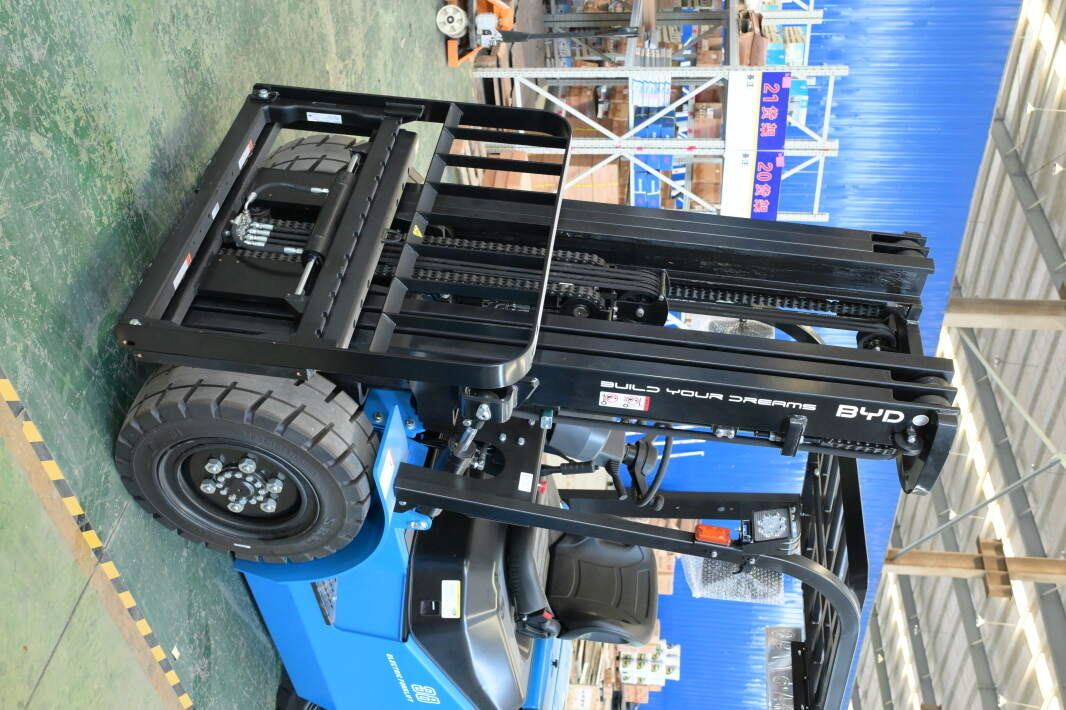
When enterprises start the process of researching industrial forklift solutions for their daily material handling operations, many teams tend to focus on budget arrangement and delivery period firstly, while overlook the systematic interpretation of official technical documents, which may lead to mismatched equipment configuration and extra hidden operating costs in the long run. A standardized technical document covers all core performance, configuration and usage rules of the forklift, and readers can follow clear steps to extract useful information correctly.
First of all, you can start with the basic operation parameter section in the technical document. Check the rated load capacity, maximum lifting height, and the residual load data under different lifting heights, which are easily ignored by many new users. It is unwise to only refer to the rated load number at zero lifting height, you need to compare the residual load under your actual required maximum lifting height, to make sure the equipment can finish your normal loading and unloading tasks on high shelves. You also need to confirm the minimum turning radius, minimum passage width requirement and vehicle overall dimension, to verify if the forklift can move smoothly in your existing warehouse passage, loading dock and other operating areas.
The second step is to go through the power system and environmental adaptation section. For electric forklift solutions, you can check the rated continuous working duration under standard operating conditions, full charging time, battery daily maintenance requirements, as well as the protection level of core components like driving motor and control panel. If your working scenario involves low temperature cold storage, heavy dust or wet environment, you can check if the corresponding configuration in the document can meet the special environmental requirement, to avoid unexpected equipment failure during daily use.
Thirdly, you need to check the safety configuration and operation maintenance section. Confirm all standard-equipped safety devices such as overload protection system, automatic speed limit function, emergency power off switch, and handbrake warning module are clearly listed in the document, so that you can confirm the basic safety guarantee of the equipment. You can also find the official recommended maintenance cycle, easy-wearing part replacement reference, and predicted no-fault operation interval, to make a reasonable long-term operation budget in advance.
At last, if you need to add custom attachments for special operation tasks, you need to check the matching description for different attachments in the technical document, confirm the performance change of the forklift after installing the specific attachment, and do not use unregistered accessories that do not match the equipment parameters, to eliminate potential safety risks. Fully reading and verifying all details in the technical document will help you pick out the cost-effective forklift solution that matches your actual working demands.


