
 简体中文
 Русский
 Français
 Português
 Español
 لالعربية


Food and beverage facilities have unique operational requirements that set them apart from general industrial warehouses, including strict hygiene standards, zero tolerance for exhaust emission that may contaminate raw ingredients and finished products, and stable material turnover rhythm to support continuous production and cold chain distribution. Reasonable planning for your byd electric forklift fleet can help you align vehicle usage with your actual operational demands, avoid unnecessary cost waste, and meet all industry-specific compliance requirements.
The first step of your planning work is to conduct a full-site demand survey before introducing the equipment. You can map out all core operational zones first, covering raw material unloading docks, temporary ingredient storage areas, semi-finished product transfer channels, finished product cold storage zones, and finished goods loading areas. Record the maximum load of goods that need to be transported in each zone, average daily operation duration, aisle width, ramp gradient and other basic parameters, and mark the areas with special hygiene requirements such as direct contact with unpacked food materials, to confirm that the selected vehicles will not bring potential pollution risks to the products.
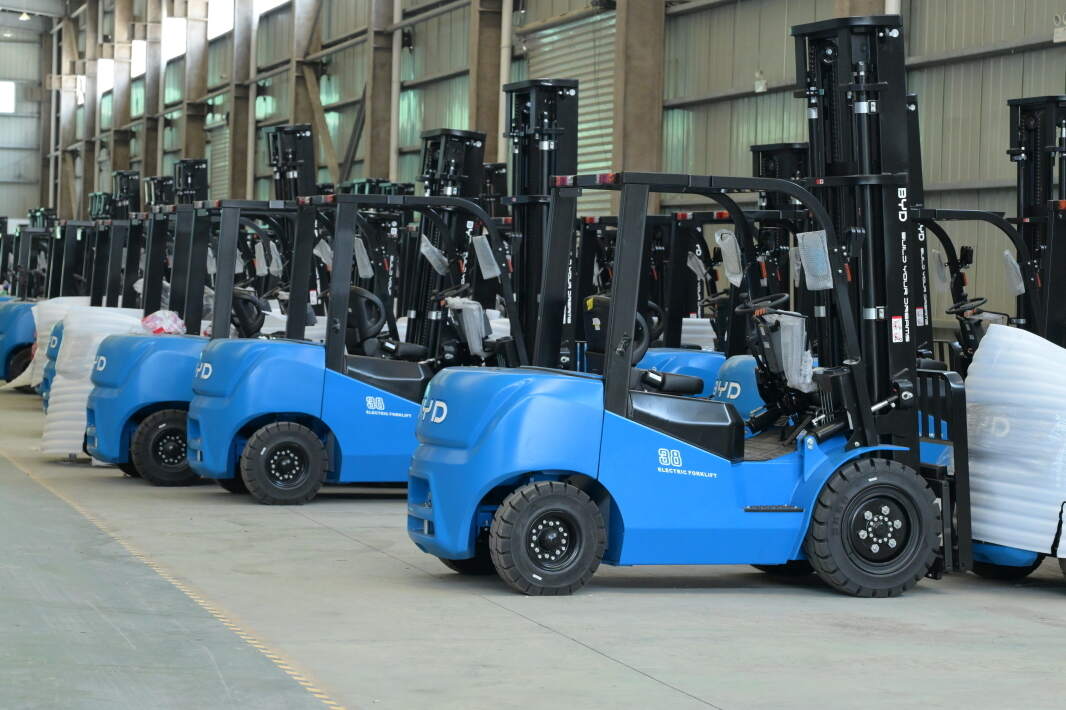
The second step is to match the appropriate vehicle configuration according to the survey results. For zones with narrow aisles, you can select corresponding compact models to ensure smooth passage, for multi-shift continuous operation scenarios, long endurance power configurations can reduce the frequency of recharging during working hours, and the sealed component design of byd electric forklift can avoid oil leakage or dust spilling issues, which fully fits the hygiene management rules of food and beverage production sites. The low-noise operation feature also will not interfere with the normal work of production staff near the logistics routes.
The third step is to arrange supporting facilities and operation management norms. It is recommended to set up a dedicated charging area in a well-ventilated zone far away from food storage and production areas, configure matching power supply facilities according to vehicle parameters, and develop regular maintenance and cleaning schedules for the forklifts, to make sure the vehicles stay in good condition and no dirt or residue will be brought into the clean production zones. You can also provide basic operation training for relevant staff to standardize their usage behavior.
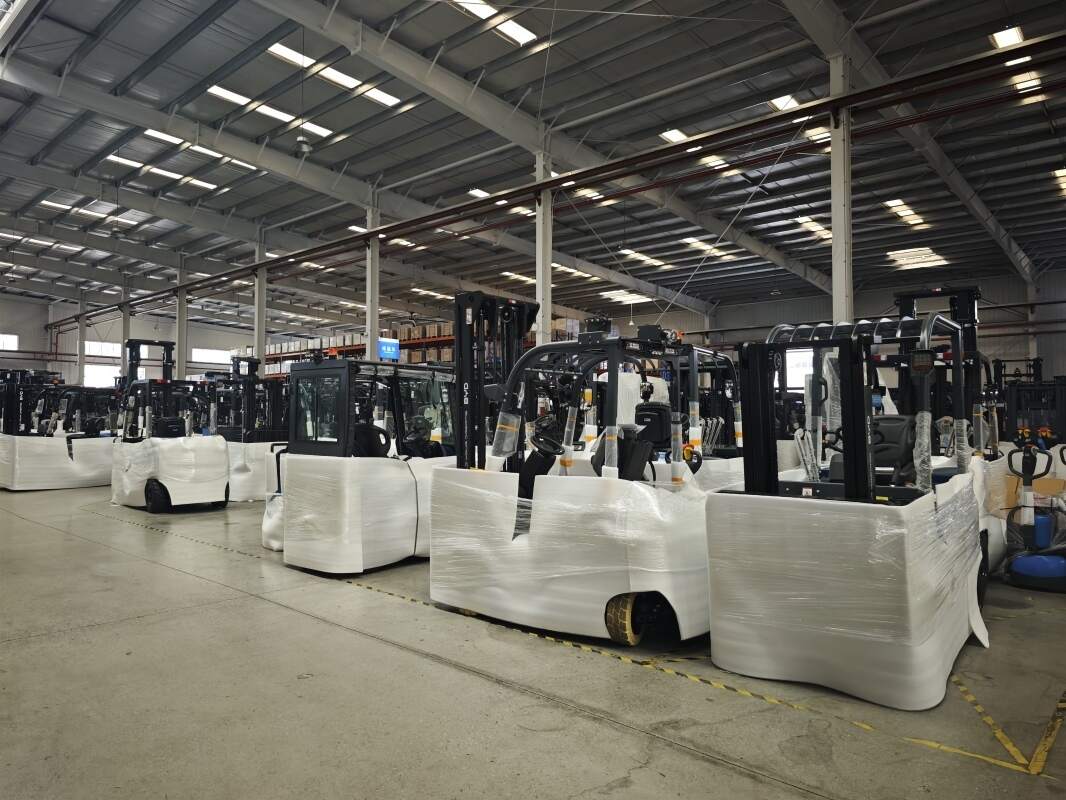
After the formal deployment, you can track the actual operation data regularly, adjust the vehicle scheduling route reasonably to reduce the empty driving rate, so as to further improve the overall logistics operation efficiency. As a service provider focusing on byd electric forklift solutions, Jian Shu New Energy can provide you with targeted planning suggestions tailored to the actual situation of your facility. If you have relevant consultation demands, you can send an email to [email protected] for further communication.


