
 简体中文
 Русский
 Français
 Português
 Español
 لالعربية


When enterprises start the procurement process of new energy material handling equipment, many teams tend to make decisions only based on initial price or partial function parameters, which may lead to mismatching between equipment performance and actual operation demands, and bring extra unnecessary operation cost in long-term use. This practical framework is designed to help you complete the selection process step by step, and find the most cost-effective BYD forklift model that fits your actual situation.
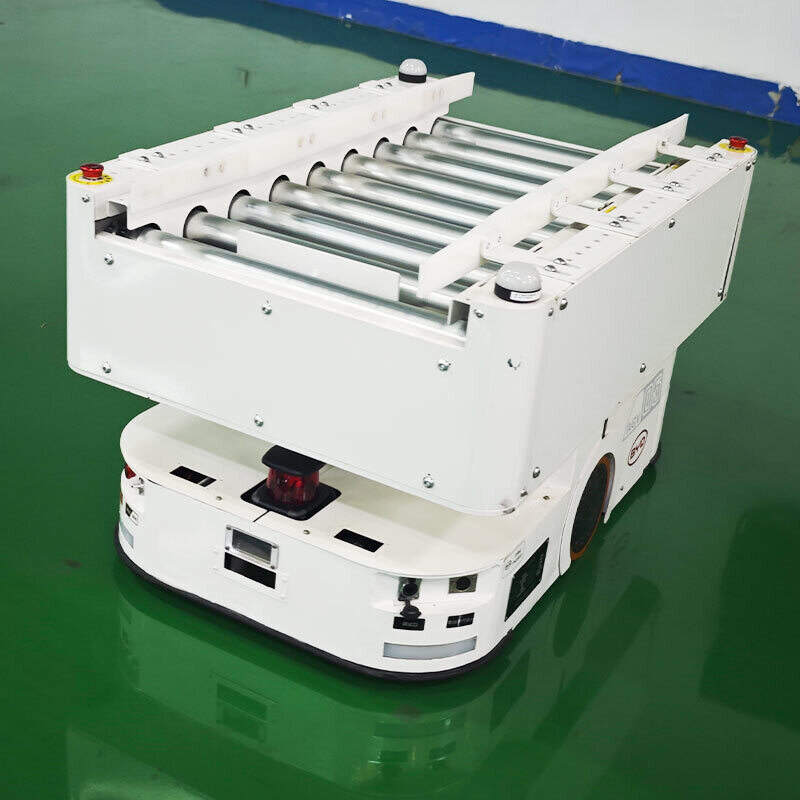
The first step of the framework is to sort out core parameters of your daily operation scenarios. You can record the average daily operation duration of handling work, the maximum weight of goods to be lifted, the required maximum lifting height of the door frame, and the minimum width of operation channels in your warehouse or yard. You also need to note the actual environment characteristics, including whether the equipment works in closed indoor space, open outdoor sites, low-temperature cold storage areas or dust-intensive operation areas, these basic information will help you filter out unsuitable models at the very beginning of selection.
The second step is to match the endurance and energy replenishment scheme that fits your existing supporting conditions. You can count the total daily driving mileage and continuous operation hours of the forklift, and check the available power supply conditions at your work site. If your site has stable three-phase power supply and can arrange charging during off-peak work hours, you can choose the conventional slow charging solution to reduce daily energy cost. If you need the equipment to support long-time continuous work in peak operation period, you can choose models that support fast charging to complete energy replenishment in short break time without interrupting normal operation flow.
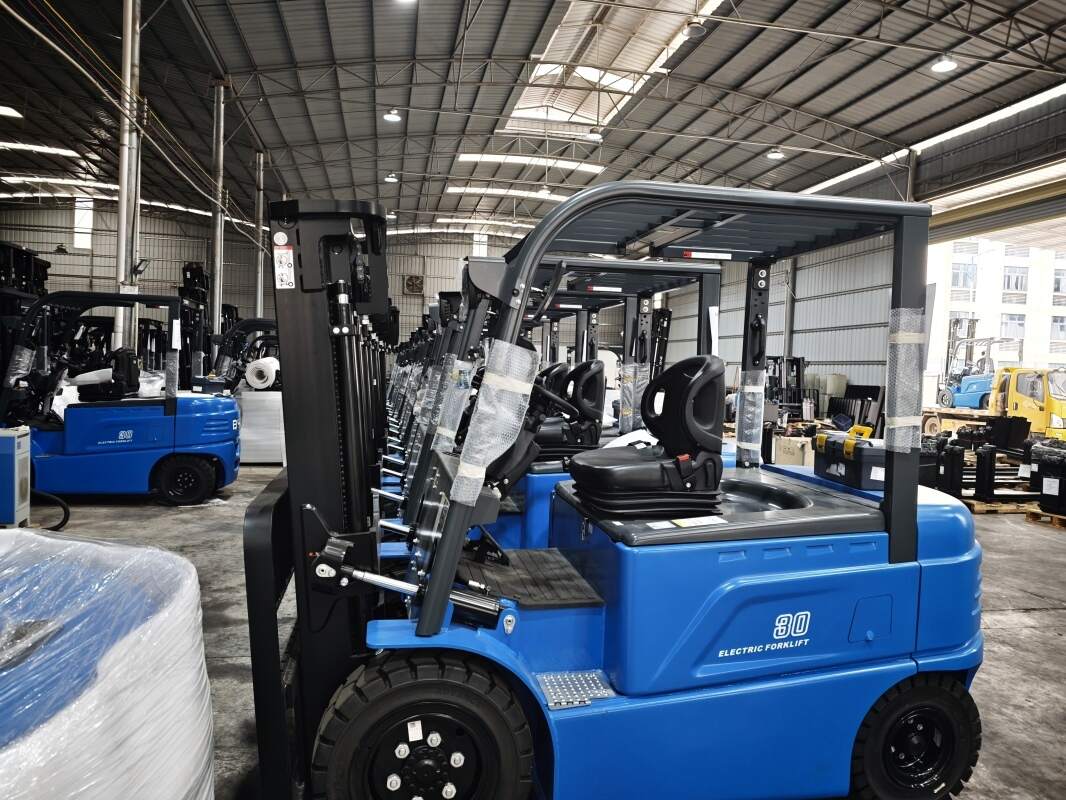
The third step is to calculate the full lifecycle input of the selected model, rather than only taking the initial procurement cost as the only judgment standard. You can make a statistics of the total operation cost in 5 to 8 years of use, including daily energy consumption cost, regular maintenance cost, and the residual value of the equipment after long-term use, so that you can get a more accurate assessment of the actual economic benefit of the selected model. The last step is to verify the local service supporting resources, confirm the after-sales response time, spare parts supply efficiency and free operator training support that the supplier can provide. If you need more targeted selection support, we are Sharp Tree New Energy, focusing on BYD electric forklifts. For any relevant consultation, please send email to [email protected].


