简体中文
 Русский
 Français
 Português
 Español
 لالعربية


Lithium-powered forklifts have become a mainstream choice for modern material handling scenarios in recent years, with steady advantages in use cost, operation stability and environmental protection performance compared with traditional internal combustion and lead-acid forklift products. This practical guide sorts out core practical points covering the whole cycle of lithium forklift use, to help enterprise users improve use efficiency and extend the service life of equipment.
Pre-operation Basic Check
Before starting the equipment every working day, operators need to complete basic routine checks first. You can observe the appearance of the vehicle to confirm there is no obvious damage or leakage, test the braking and steering system to ensure flexible and sensitive response, check the power display value, and confirm that the fork assembly and wear parts are in normal condition. Do not start operation if any abnormal condition is found, and arrange troubleshooting in time.
Standardized Operation Habits
Forming good operation habits can effectively avoid unnecessary equipment wear. Users should operate according to the specified load capacity, do not use the equipment for overload handling. When driving on slopes, keep the vehicle at a stable low speed, avoid turning on the slope. Use the matching formal charging equipment for charging, do not place flammable and sundries around the charging port and battery compartment.
Scientific Daily Maintenance
Lithium forklifts do not need the regular water addition maintenance work required by lead-acid products, but users also need to follow the correct battery use rules. Do not run the battery power to zero for a long time, if the equipment needs to be idle for more than 1 month, keep the battery power between 30% and 70%, and complete a full charge every 2 months. Regularly clean the dust on the surface of the vehicle, and avoid long-term soaking of the electrical control parts by accumulated water.
Scenario Matching Tips
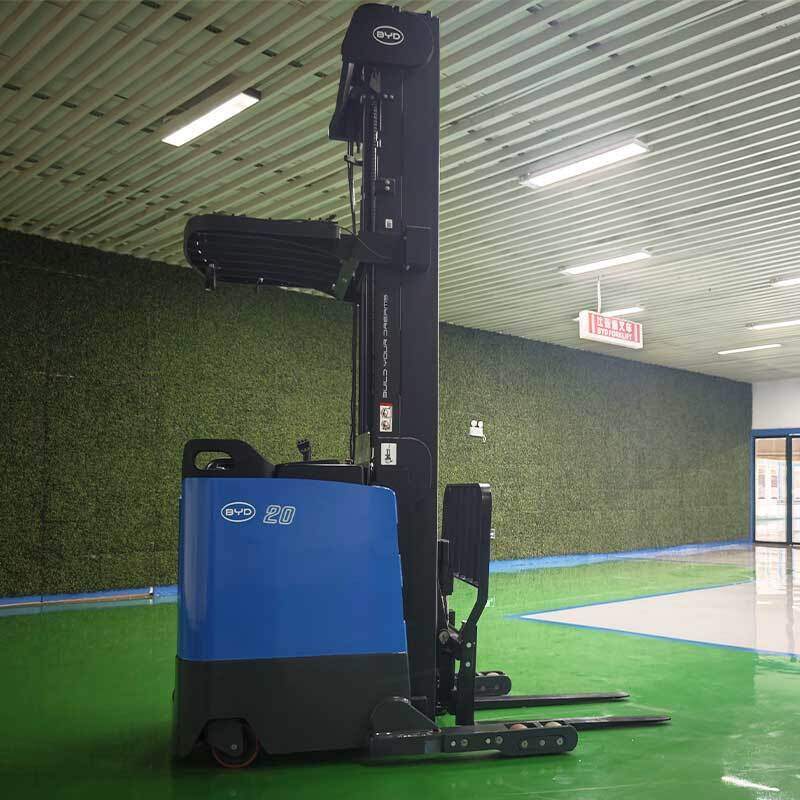
For users with two-shift high-frequency operation scenarios, lithium forklifts can support fast charging to meet continuous operation needs without frequent battery replacement. For narrow aisle storage scenarios, you can choose the corresponding compact model to give full play to the flexible advantages of the equipment. If you need more professional lithium forklift matching and use consulting services, we are Jianshu New Energy, focusing on BYD electric forklift, you can contact us via [email protected] to get targeted support.