
 简体中文
 Русский
 Français
 Português
 Español
 لالعربية


In recent years, lithium-powered forklifts have been widely applied in warehouse logistics, manufacturing, port cargo turnover and other scenarios, for their low noise, zero emission and low daily operation cost features. Many enterprise purchasers face confusion when selecting a suitable lithium forklift, as inappropriate model selection may cause extra cost waste or cannot meet actual operation demands. This practical guide sorts out core reference dimensions for you to make a reasonable choice.
The first core reference point is to match your actual operation load and scenario parameters. You need to count the maximum weight of goods you usually handle, the maximum required lifting height of the fork, the average width of operation channels, and whether there is special demand for outdoor operation. You do not need to pursue excessive tonnage beyond actual demand, which will bring unnecessary cost burden, nor choose a model that cannot support the maximum load, which will bring hidden safety risks in daily use.
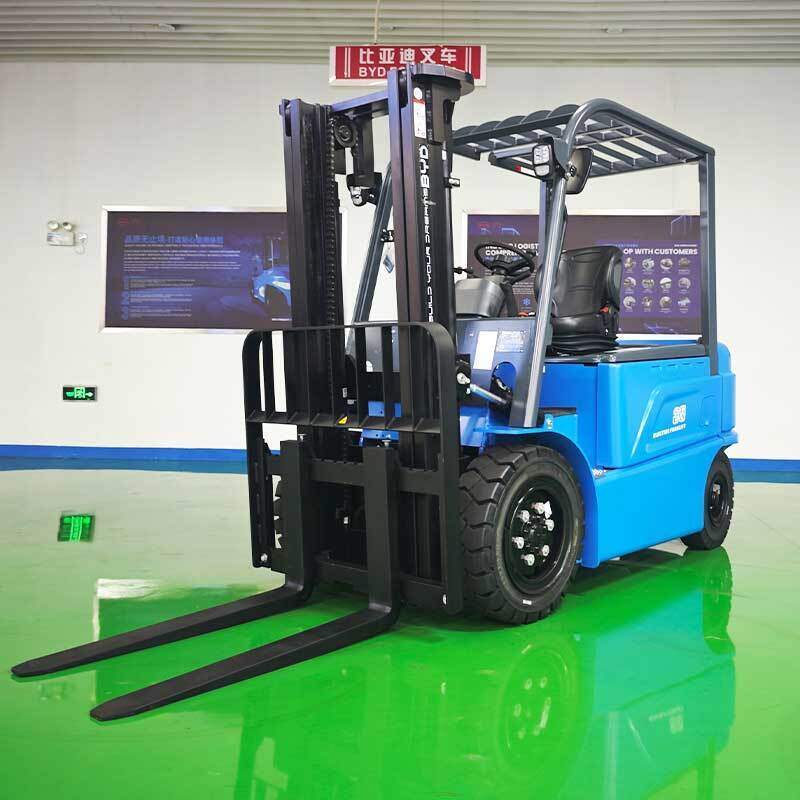
The second key point is to evaluate the endurance and energy replenishment demand of the whole vehicle. You can calculate the average daily operation hours, total travel distance and loading and unloading frequency in a single shift. For scenarios with multi-shift continuous operation demand, you can choose models that support fast charging, which can complete energy supplement in short rest gaps to ensure uninterrupted operation. Reasonable matching of battery capacity can balance use demand and purchase cost well.
The third important dimension is to check the complete safety configuration of the forklift. Standard lithium forklifts should be equipped with rollover prevention protection, overload early warning, emergency power off device, etc. You can also select models with corresponding protection grades according to the actual environment, such as higher dustproof and waterproof grade for dusty or humid operation scenarios, to extend the service life of the whole vehicle.
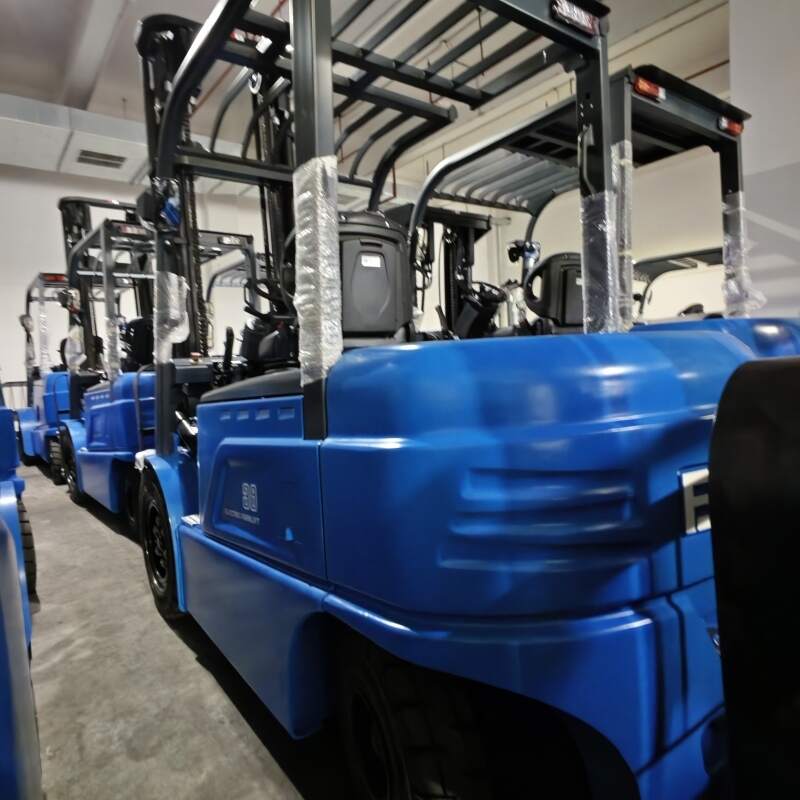
You also need to take the full life cycle cost and after-sales support into consideration. Lithium forklifts have fewer daily maintenance items than internal combustion forklifts, no need for frequent tedious operations such as electrolyte replacement. Choosing a supplier that can provide long-term stable after-sales service can help you solve subsequent problems such as battery performance detection and wearing part replacement in time.
We are Jianshu New Energy, focusing on BYD electric forklifts. We can provide targeted model selection suggestions according to your actual site situation and operation demand. If you have any related consultation demand, you can send email to [email protected] to get exclusive solution.


