
 简体中文
简体中文 Русский
 Français
 Português
 Español
 لالعربية

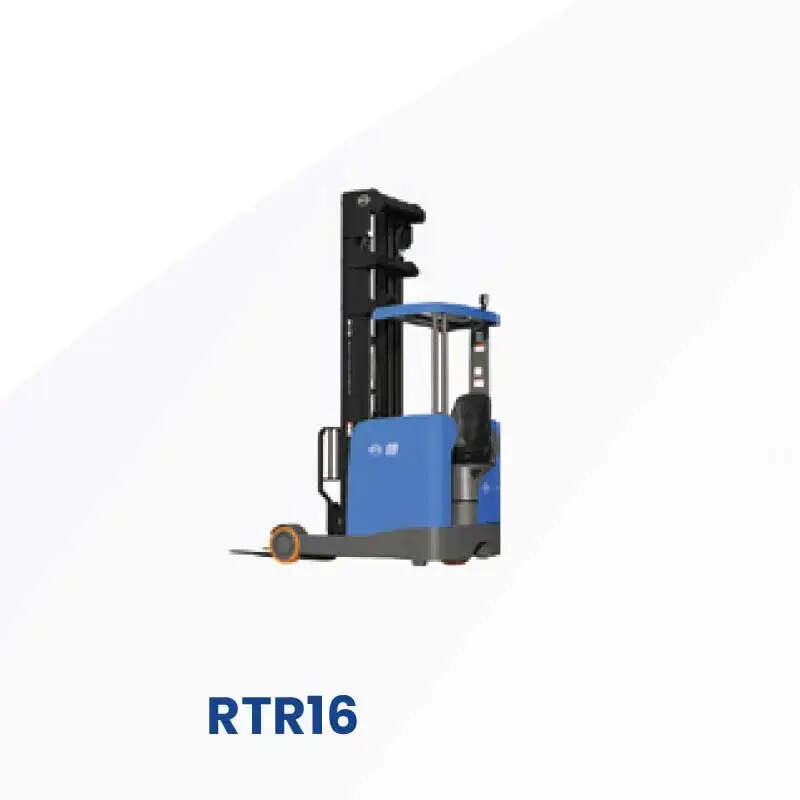
As the global warehousing and logistics sector continues shifting toward low-carbon, low-noise operation systems, electric forklifts have taken a growing share of mainstream material handling scenarios, and mastering targeted operation and maintenance knowledge helps related enterprises maximize the use value of such equipment in daily work.
Basic Daily Operation Specifications for Electric Forklifts
Before the start of each work shift, operators need to complete a routine pre-operation inspection covering remaining power status, brake sensitivity, tire wear condition and fork surface integrity, to eliminate potential hidden risks before formal handling work. When loading and moving goods, operators should avoid frequent sudden acceleration or sharp steering, keep the load center within the allowable range marked on the equipment nameplate, and do not carry over-height stacked goods that may block the front operating view, which can effectively reduce unnecessary wear and loss of core structural components.
Routine Maintenance to Extend Stable Service Life
Different from traditional internal combustion forklifts, electric forklifts put more emphasis on the daily maintenance of power systems and electrical connection points. Operators should keep the outer surface of the battery pack clean and dry, avoid storing the equipment in a long-term full discharge or continuous full charge state for more than 48 hours during idle periods, and regularly check whether the wiring harness interface has loose or slightly corroded signs. For the walking motor and hydraulic lifting motor, regular dust removal and lubrication work carried out in accordance with the official operation manual requirements can effectively reduce extra energy consumption in long-term continuous operation.
Scenario Adaptation Optimization to Improve Overall Efficiency
In different targeted warehousing scenarios, users can adjust the running parameters of electric forklifts according to actual business needs. For narrow aisle storage scenarios, users can set a reasonable speed limit within the safe range to reduce the risk of collision with shelves, while for large open storage yards, they can adjust the power output mode properly to meet the demand of frequent long-distance material transportation. Matching corresponding suitable attachment tools according to the type of handled goods can also expand the application range of the equipment, and lower the demand for repeated purchase of different types of handling equipment. Scientific operation and regular standardized maintenance of electric forklifts can help the logistics operation team reduce long-term comprehensive operating costs, and fit the current general requirements of energy conservation and emission reduction in the industrial handling field.


