
 简体中文
简体中文 Русский
 Français
 Português
 Español
 لالعربية

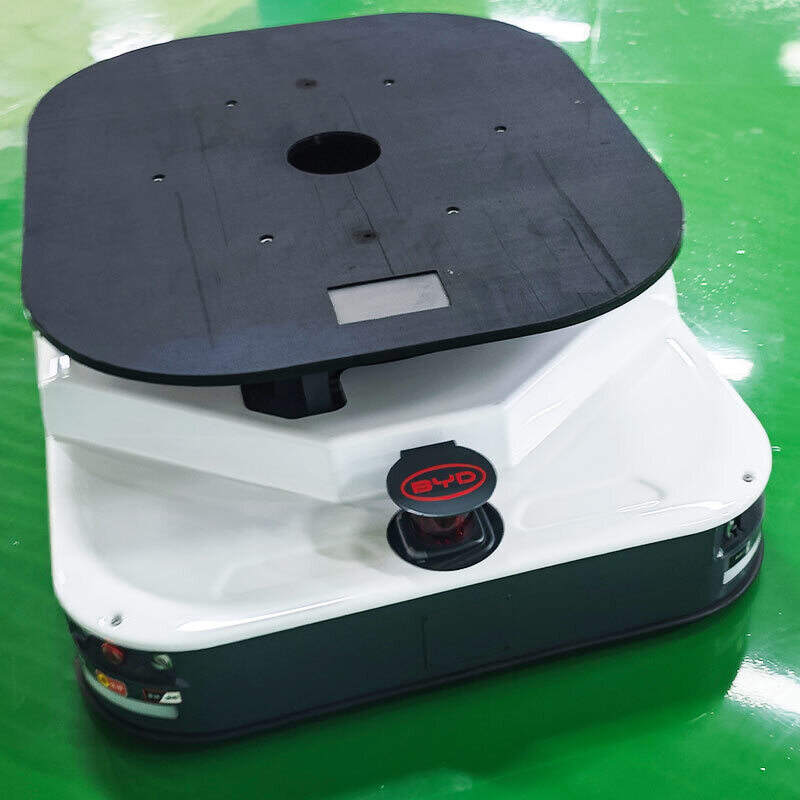
Against the general trend of green transformation in the global logistics and warehousing industry, electric forklifts have become one of the most widely used material handling equipment in indoor operation scenarios, with their advantages of low noise, zero local emissions and flexible operation. Many front-line operators and warehouse managers still have insufficient systematic cognition of the correct use, scenario matching and daily maintenance of electric forklifts, which may lead to reduced operation efficiency and shortened equipment service life.
Core Application Scenario Matching Principles
Electric forklifts are more suitable for closed indoor operation scenarios than internal combustion counterparts, and can be deployed in spaces with strict requirements for environmental cleanliness, such as pharmaceutical storage, food distribution workshops, and high-density narrow-aisle warehouses. When selecting corresponding equipment for different scenarios, operators need to comprehensively evaluate parameters including the maximum required lifting height, average daily operation duration, rated load weight and reserved passage width, to avoid selecting equipment with mismatched parameters that cannot meet actual operation demands. Long-term overloading of the equipment beyond the rated load value is not recommended, which will cause additional loss to the power system and hydraulic structure.
Standardized Operation Key Points
Before each formal operation, operators need to complete the pre-shift inspection work, including checking the remaining power level, braking system sensitivity, lifting structure flexibility and the integrity of the safety protection warning device. During the driving process, keep a safe distance from surrounding personnel and obstacles, slow down in advance when turning, keep the cargo facing the upper direction when driving on a ramp, and do not turn on the ramp to avoid side slip risk. Cut off the main power supply and pull up the hand brake when leaving the operation position for a long time, and do not use the equipment to carry non-working personnel to prevent unnecessary safety hazards.
Daily Maintenance Basic Guidelines
Regular appearance cleaning can effectively reduce the wear of dust on the circuit connection interface, and avoid poor contact of the control system caused by long-term accumulation of debris. The power battery should complete the charge and discharge process in accordance with the standard specifications, and it is not suitable to store the equipment in a long-term power deficit state. Operators can regularly check the sealing performance of the hydraulic system, the wear degree of solid tires, and the tightness of the connecting fasteners, and replace the aging wearing parts in time according to the actual use consumption, which can effectively extend the overall service life of the equipment and reduce the comprehensive long-term operating cost. Forming a good habit of standardized operation and regular maintenance can give full play to the performance advantages of electric forklifts, better adapt to the efficient operation demands of modern warehouse logistics, and support the construction of low-carbon and environment-friendly logistics operation system.


