
 English
 简体中文
 Français
 Português
 Español
 لالعربية


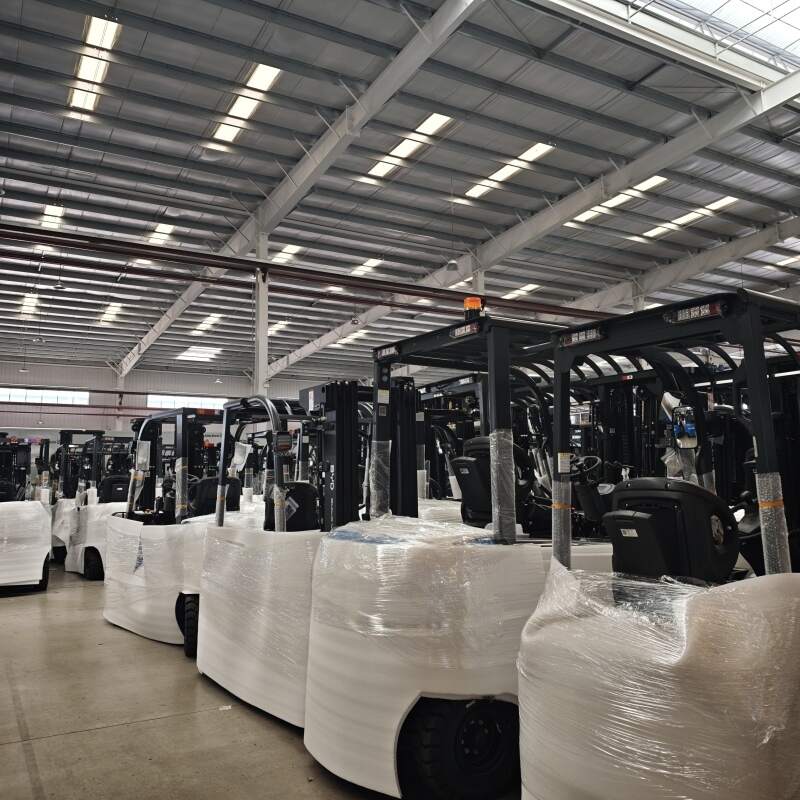
As low-carbon logistics development continues to expand across global industrial and warehousing sectors, electric forklifts have become one of the most widely adopted material handling solutions for closed indoor operation scenarios, thanks to their adaptable features that match multiple daily operation demands. Mastering correct use and management methods can help teams maximize the value of these devices while reducing unnecessary operation costs.
Core Functional Characteristics Suitable for Indoor Operation
Different from internal combustion powered handling devices, modern electric forklifts produce no tail gas emissions during operation, and generate far lower operating noise that will not interfere with other staff working in the same indoor space. Their compact body structure can adapt to narrow passage designs in most standard warehouses, making it easier for operators to complete stacking, goods shifting and loading/unloading tasks in limited space. The overall operation cost per hour is relatively stable, and the daily consumption cost is lower than most other types of industrial handling equipment.
Standardized Daily Operation Guidelines
Before starting each shift operation, operators need to complete basic pre-use checks, including testing the sensitivity of the braking system, confirming remaining power of the power unit, and verifying the flexibility of the hydraulic lifting structure. During operation, operators should keep the load weight within the rated load range specified by the device, avoid sudden acceleration or sudden braking that may cause goods to fall off, and reduce driving speed when passing corners or areas with uneven ground surface. When carrying elevated loads, operators should keep the load at a low height as much as possible to avoid shaking during driving that may cause safety risks.
Routine Maintenance Protocols to Extend Service Life
Regular non-destructive maintenance can effectively reduce unexpected equipment failures in peak operation periods. For the power core component, users should avoid frequent overcharging or deep discharging, wipe the surface of power contacts with dry soft cloth regularly to remove accumulated dust and sundries, and check the liquid level status of corresponding media according to different power unit types at specified intervals. Operation teams should also check the wear degree of driving wheels, the tightness of circuit joints and the cleanliness of heat dissipation openings on a weekly basis, to make sure the device maintains a stable working state for a long time.
Practical Tips to Improve Operation Efficiency
Operation managers can reasonably plan the driving route for each shift in advance, to reduce unnecessary empty driving distance and lower extra energy consumption. When the device needs to stay in a fixed position for more than 10 minutes, operators can turn off the standby power supply appropriately to avoid ineffective power consumption. For different operation scenarios with different cargo weight ranges, selecting electric forklifts with matching rated load parameters can avoid unnecessary resource waste caused by mismatched equipment performance. Following these practical operation principles can help industrial teams build a more stable and efficient indoor material handling system.


