
 English
 简体中文
 Français
 Português
 Español
 لالعربية


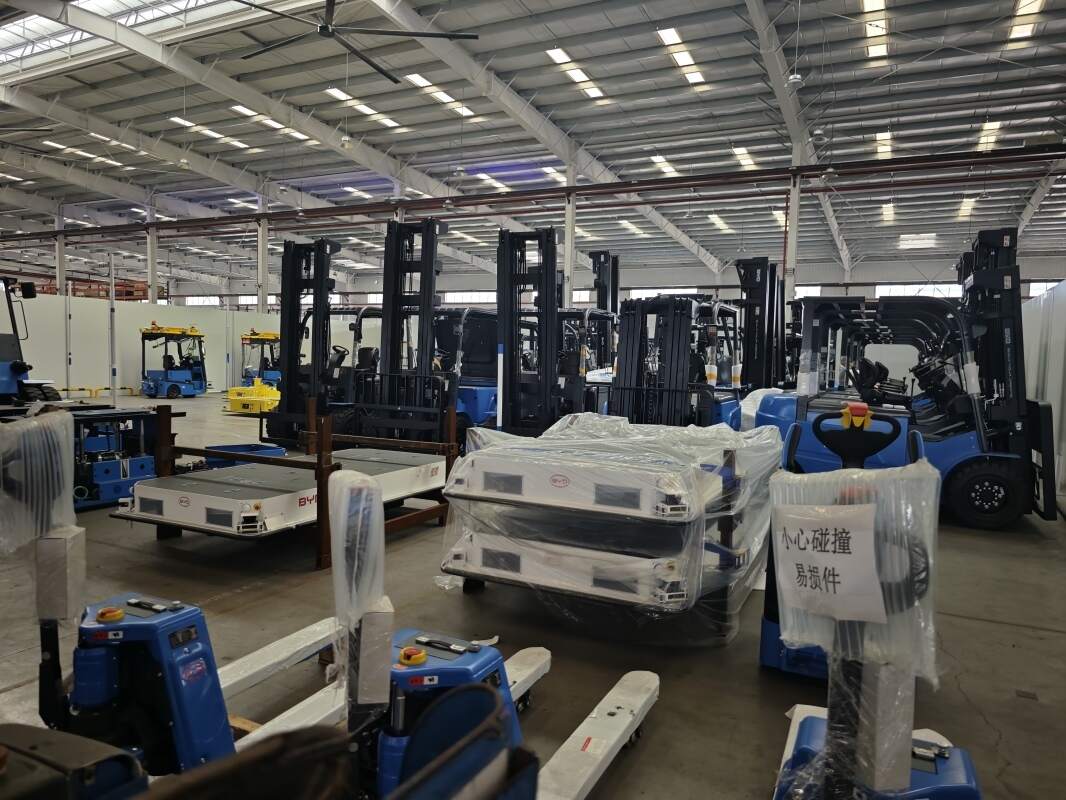
Against the backdrop of growing demand for low-carbon and high-efficiency industrial logistics, electric forklifts have gradually become one of the most widely used material handling equipment in closed warehouse scenarios across different industries. Compared with traditional fuel-powered handling equipment, electric forklifts show strong adaptability to diverse working environments with their unique structural design, and reasonable mastery of relevant operation and maintenance knowledge can bring more stable operation experience for logistics teams.
Core Functional Advantages of Electric Forklifts
Different from fuel-powered counterparts, electric forklifts adopt full electric driving systems, which produce zero local exhaust emission during operation, making them suitable for scenarios with strict environmental requirements such as food storage workshops, pharmaceutical warehouses and enclosed shopping mall logistics centers. The whole machine also runs at relatively low noise level, which can effectively reduce noise interference to surrounding working staff in compact indoor spaces, and the smooth power output can avoid sudden jitter of goods during lifting and moving process, lowering the risk of cargo damage in daily handling work.
Standard Daily Operation Specifications
Before each startup, operators need to complete basic check work including battery power status, brake system sensitivity, and the lubrication condition of lifting arms and caster components. During the operation process, operators need to strictly follow the rated load limit of the equipment, avoid sharp turning in narrow warehouse channels at high speed, and keep a safe distance from surrounding pedestrians and stacked goods. When the equipment is not in use for a long time, operators should lower the fork to the lowest horizontal position, cut off the main power supply, and park the equipment in the designated ventilated storage area.
Practical Routine Maintenance Suggestions
To extend the whole service life of the equipment, teams need to arrange regular daily maintenance work, including cleaning dust and foreign matters on the surface of battery electrodes, keeping the charging environment dry and ventilated, and avoid deep discharging that reduces battery remaining power to less than 10% before charging. Regular inspection of hydraulic pipelines for oil leakage, as well as checking the abrasion condition of insulation layer of electrical wiring, can effectively reduce unexpected equipment failure rate in high-intensity working periods. With proper operation and standardized maintenance, electric forklifts can maintain stable working performance for a long time, and bring reliable support for daily material handling work of different logistics scenarios.


