
 English
 简体中文
 Français
 Português
 Español
 لالعربية


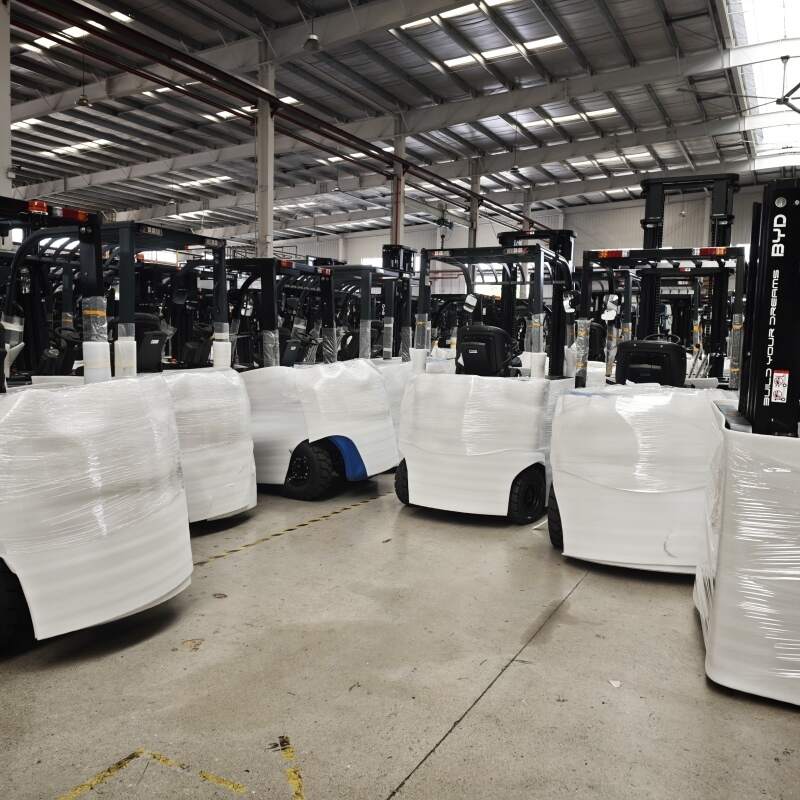
Against the background of growing low-carbon operation demand in modern logistics and warehousing sectors, electric forklifts have become the core material handling equipment for most indoor operation scenarios, yet quite a number of operation teams have not fully tapped the full performance potential of such equipment in daily use. The following content shares systematic professional popular science knowledge covering multiple core dimensions for relevant practitioners to refer to.
Core Standard Operation Rules to Reduce Extra Component Wear
During daily operation, operators are suggested to conduct full check of surrounding environment before starting the equipment, avoid sudden acceleration, sharp steering or emergency braking under heavy load status. When carrying over-weighted goods, do not keep the fork arm lifted more than 0.5 meters above the ground during long-distance moving, which will bring extra burden to the driving motor and hydraulic lifting system. At the end of each shift, operators should lower the fork arm to the ground completely, pull the handbrake and cut off the main power supply, so as to avoid accidental touch or unnecessary power consumption.
Routine Maintenance Skills to Prolong Overall Service Life
For the core power battery part, operators are suggested to follow the official specified charging process, avoid completely draining the battery before recharging, and clean up dust and residual liquid on the battery surface regularly to prevent potential safety risks. It is also necessary to check the heat dissipation vents of the walking motor regularly to make sure no packaging waste or sundries block the air flow, add proper amount of lubricating grease to transmission parts according to the maintenance cycle, and do not modify the internal circuit structure of the equipment without professional guidance.
Practical Strategies to Improve Overall Operation Efficiency
Operation teams can adjust the parameter settings of the equipment according to the actual cargo handling routes and site conditions, set reasonable upper limit of driving speed to adapt to different working zones in the warehouse. It is also feasible to arrange proper work shift schedule to avoid long-time continuous overloaded operation, and organize regular normative training for operators to reduce unexpected downtime caused by misoperation. Proper operation and regular maintenance can effectively cut down long-term operation cost, help the team build a more stable and safer material handling system, and meet the operation demands of warehousing scenarios of different scales.


