
 English
 简体中文
 Français
 Português
 Español
 لالعربية


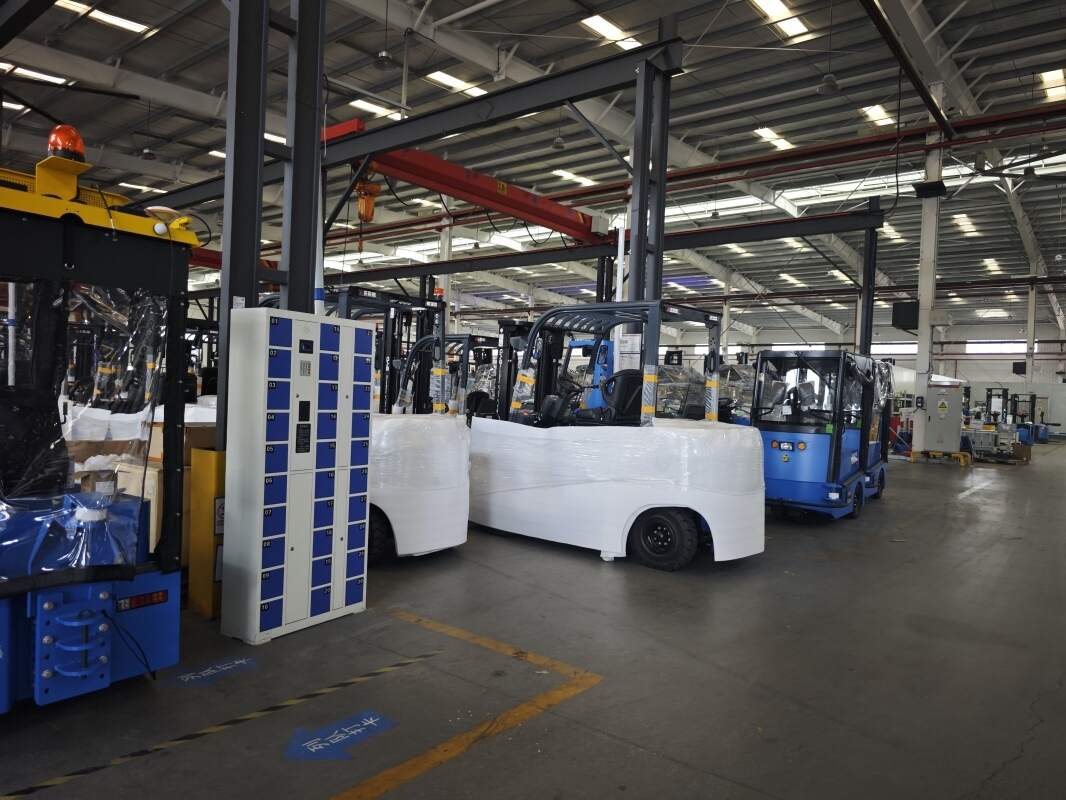
As the global material handling sector shifts toward low-carbon, high-efficiency operation modes, electric forklifts have become a widely adopted equipment type across most warehouse, logistics and manufacturing workshops. Mastering standardized application and management rules of electric forklifts can help operation teams reduce unnecessary wear, lower long-term operating cost and improve overall material handling efficiency.
Core Pre-operation Inspection Protocols
Before each shift, operators need to complete a set of basic non-destructive checks before formally starting the equipment. The checking scope covers the residual power level of the power system, the flexibility of the lifting and steering components, the sensitivity of the braking system, and the integrity of the light and warning signal devices. Any abnormal trace such as unresponsive braking, abnormal noise during component movement, or obvious damage to the outer protective shell should be reported to the equipment management team in time, instead of forcing the equipment into operation, which may trigger unexpected safety risks.
Daily Operation Standardization for Extended Service Life
During the operation process, operators need to follow the rated load capacity requirement of the equipment, avoid long time overloading that will cause extra burden to the power drive and hydraulic system. It is also not recommended to carry out sharp steering or sudden braking on the slippery ground, which may cause side slip risk and damage to the walking motor. When the equipment is running at low speed in narrow warehouse aisles, operators need to keep full observation of surrounding pedestrians and stacked goods, to avoid collision that may cause deformation to the load bearing structure of the forklift.
Routine Maintenance Best Practices
For regular maintenance work, teams can arrange targeted checks based on the actual operation frequency of the equipment. For high-frequency operation scenarios, the dust accumulated on the surface of the power battery and heat dissipation components can be cleaned every 2 weeks, to ensure normal heat dissipation performance during long time continuous operation. The lubrication points of the movable connection parts should be supplemented with professional lubricating grease on schedule, to reduce friction loss between metal components. For long-term idle equipment, the power system should be charged and discharged regularly every 1 month, to avoid permanent capacity attenuation of the battery pack.
Energy Efficiency Optimization Strategies
Reasonable route planning before each batch of material handling tasks can effectively reduce the no-load driving time of the electric forklift, so as to reduce unnecessary power consumption. Operators can also adjust the lifting speed properly according to the actual weight of the goods, to avoid excessive power output that does not match the actual load. These small daily operation details can effectively extend the single-charge working duration of the equipment, and reduce the overall operation cost of the material handling system.


