
 English
 简体中文
 Français
 Português
 Español
 لالعربية


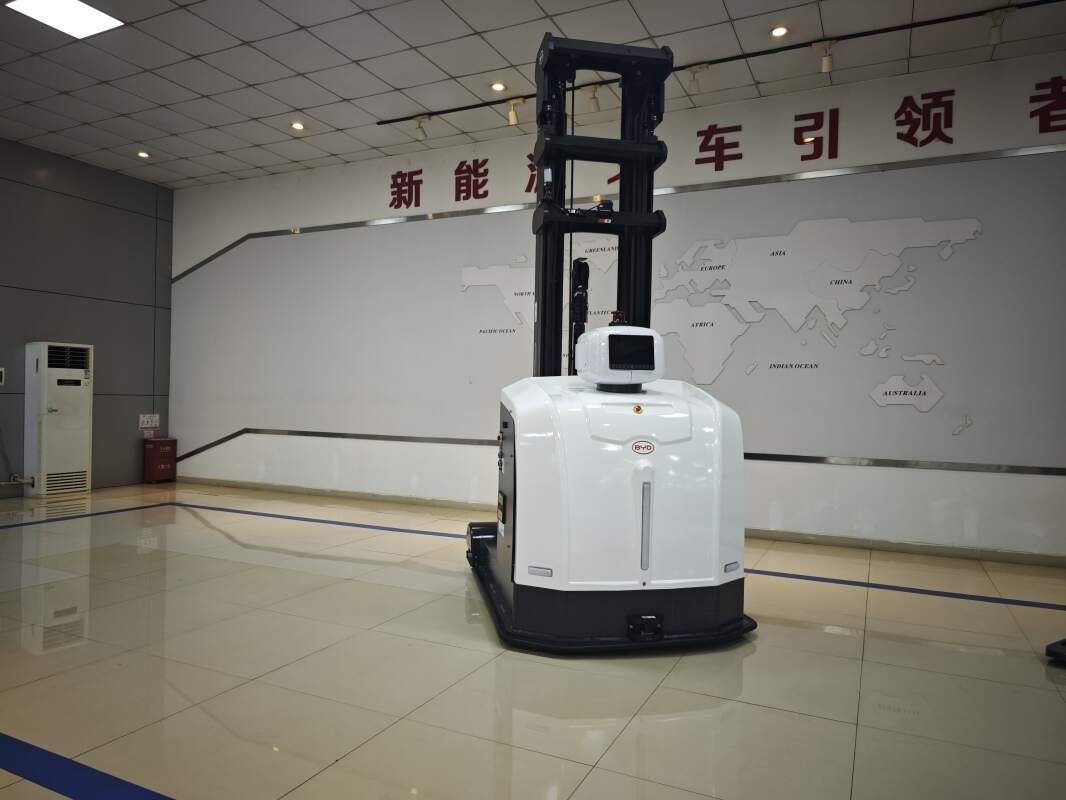
As low-carbon logistics development gains steady momentum across the material handling sector, electric forklifts have become a widely adopted option for indoor and enclosed workspace operation, offering distinct performance characteristics different from traditional internal combustion counterparts. Many frontline operators and warehouse managers still lack systematic grasp of proper use and maintenance rules, leading to unnecessary extra cost and hidden safety risks in daily regular operation.
Core Performance Features for Reasonable Scenario Matching
Electric forklifts are designed with zero local emission, low noise level and adjustable torque output, making them suitable for enclosed warehouse, food processing area, pharmaceutical storage and other scenarios with strict requirements on working environment. Users can match corresponding load capacity, lifting height and operation mode according to their actual throughput demand, to avoid redundant performance configuration that causes extra unnecessary investment in equipment procurement.
Standard Operation Specifications to Reduce Unnecessary Wear
Before starting each shift, operators should check the residual power status, brake sensitivity, lifting mechanism flexibility and surrounding working space to avoid collision with stacked goods or facility structures. During operation, keep stable running speed on sloped surfaces, avoid sudden acceleration or emergency stop that causes cargo slipping, and do not overload the equipment beyond rated load for a long period, which will bring extra burden to driving motor and power system.
Routine Maintenance Practices to Prolong Service Cycle
After daily operation, operators should wipe the equipment shell to remove dust and accumulated debris on moving parts, check the power connector to keep it dry and clean, and complete charging according to official specified procedures to avoid over-discharge that damages power battery performance. Regularly arrange professional technical personnel to inspect the wear condition of walking wheels, transmission components and control system, replace worn accessories in time before small potential fault expands.
Basic Safety Compliance Guidelines for Long-term Use
All operators should complete corresponding professional training before independent operation, wear necessary protective work gear, and follow site traffic rules set for material handling areas. Do not allow unqualified personnel to operate the equipment without authorization, and arrange regular hidden hazard inspection to eliminate potential risks in working environment and equipment status, to realize stable, efficient and low-cost long-term operation.


