
 English
 简体中文
 Français
 Português
 Español
 لالعربية


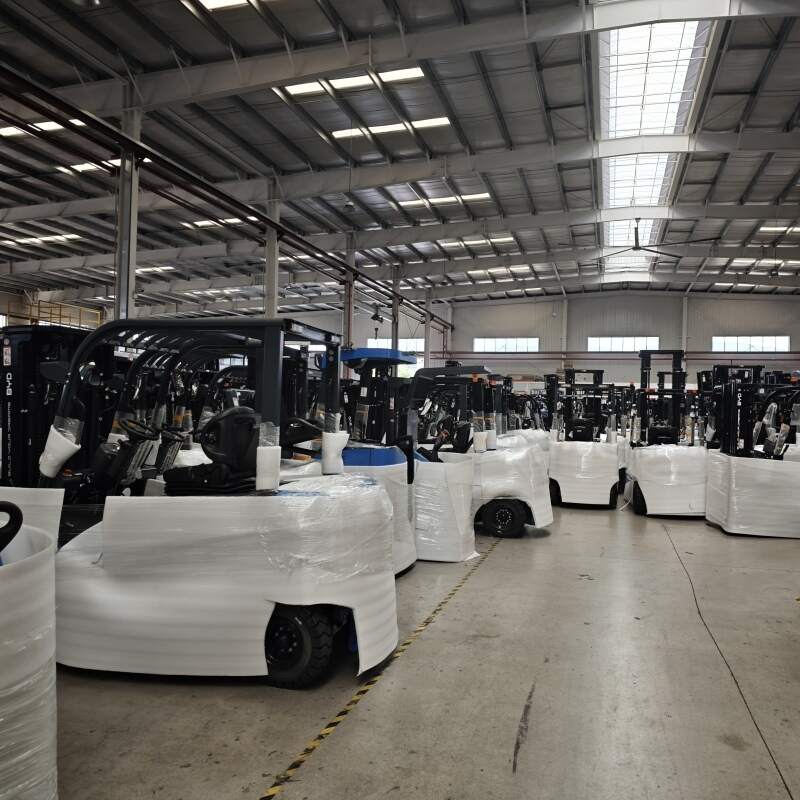
In recent years, electric forklifts have gained wider popularity across various industrial storage and logistics scenarios, as more operation teams prioritize low-emission, low-noise and cost-controllable material handling solutions. Most frontline operators and warehouse managers hope to get systematic, practical popular science knowledge to optimize daily usage effect, reduce unnecessary operation risks and extend the service cycle of equipment.
Core Features of Modern Electric Forklifts
Different from internal combustion powered handling equipment, modern electric forklifts produce no exhaust emission during operation, which is quite suitable for relatively closed indoor warehouse spaces, and can effectively reduce the adverse impact on the air quality of working areas. The overall operating noise level of such equipment is relatively low, which can reduce the long-term hearing fatigue of frontline operators, and create a more comfortable working environment for surrounding staff. The daily energy consumption cost of electric forklifts is far lower than the fuel cost of traditional similar equipment, which helps operation teams control long-term expenditure in a stable range.
Standard Daily Operation Specifications
Before starting each shift, operators need to conduct basic visual check on the equipment, confirm the remaining power level, the flexibility of steering and braking system, and the integrity of safety protection components. During the operation process, staff should follow the speed limit rule of the working site, avoid sharp steering at high speed, and slow down the movement speed of goods when lifting or lowering heavy loads, to prevent the slipping or falling of stacked goods. Operators should not carry out overloaded operation beyond the rated load range of the equipment, and cut off the power supply and pull the handbrake in time after stopping the equipment, do not leave suspended heavy loads on the forks for a long time without supervision.
Routine Maintenance Suggestions
Regular maintenance work can effectively avoid unexpected equipment failures in peak operation periods. Operation teams can arrange special personnel to clean the dust and accumulated water on the surface of power battery and electrical control components regularly, check the tightness of each wiring connection point, and regularly test the sensitivity of the braking system and hydraulic lifting system. It is not recommended that non-professional maintenance personnel disassemble the core electrical control components privately, and replace the wearing parts according to the cycle required by the official operation manual, to keep the equipment in stable working condition for a long time.
Scenario Adaptation Optimization Tips
For different special working scenarios such as low-temperature cold storage and narrow high-rack channel, operation teams can adjust the corresponding equipment parameters according to the actual working demand, to get better using effect. Reasonably arrange the charging schedule of electric forklifts in non-peak operation time, to avoid the situation of insufficient power supply in the peak period of cargo turnover. With proper operation and maintenance, electric forklifts can help improve the overall material turnover efficiency of the warehouse operation system.


