
 English
 简体中文
 Français
 Português
 Español
 لالعربية


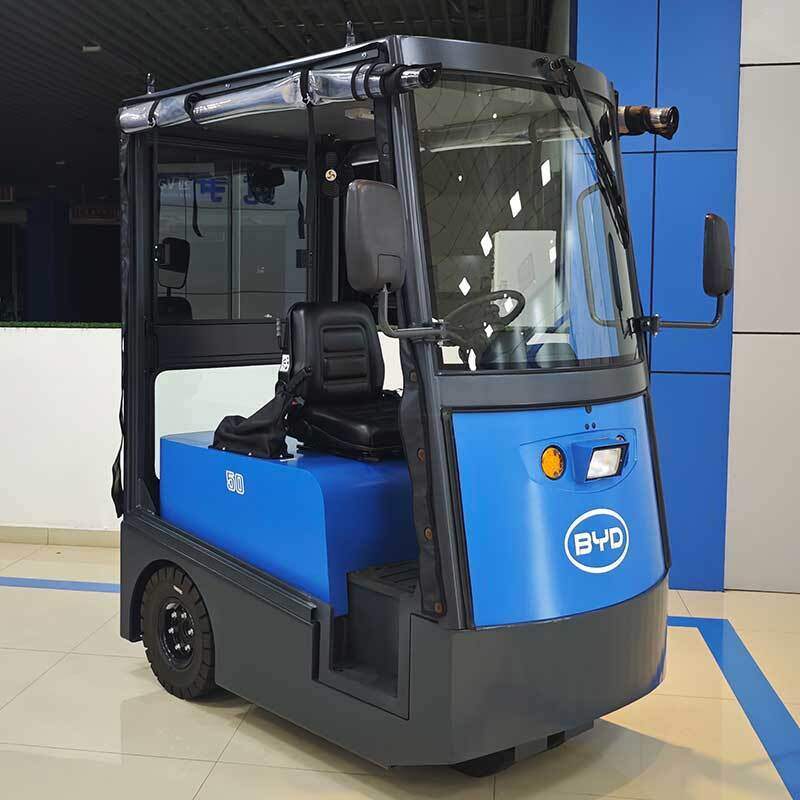
With the continuous expansion of low-carbon warehouse operation demand, electric forklifts have become one of the most widely used material handling equipment in various industrial scenarios, and mastering standardized use rules can bring multiple benefits to daily operation.
Pre-operation Standard Inspection Process
Before starting any shift operation, operators need to complete a full range of basic checks for the whole device first. The check scope mainly covers the residual power status of the power unit, the flexibility of the braking system, the sealing performance of the hydraulic lifting structure, the normal lighting and warning prompt function, as well as the wear status of the walking wheels. All hidden risks found during the inspection need to be recorded and fed back to the management personnel in time, instead of starting the equipment with faults to avoid unnecessary safety hazards.
Daily Usage Optimization Skills for Longer Service Life
In the daily operation process, operators need to arrange the load reasonably according to the rated load parameter of the device, and avoid long-time overloading that may cause extra loss of the power system and hydraulic structure. It is recommended to keep the operation actions smooth during the working process, reduce frequent sharp acceleration and sudden deceleration as much as possible, which can effectively reduce the wear of the walking parts. For the power unit, it is advised to follow the corresponding charging specifications, avoid full discharge for a long time, and arrange the charging work in time when the remaining power drops to the set warning range. Proper post-shift cleaning for the equipment surface and heat dissipation structure can also help maintain stable operation performance for a long period.
On-site Operation Safety Precautions
In the actual warehouse working scenario, operators need to adjust the driving speed according to the surrounding environment, keep low speed when passing narrow channels, crossing areas with many pedestrians and turning at corners, and turn on the corresponding warning prompt to remind surrounding personnel to avoid. It is not allowed to carry extra personnel on the non-designated operation position of the device, and avoid carrying out lifting and stacking operation on sloped roads with large inclination, so as to prevent the risk of goods slipping and equipment tipping. Regularly organize operation personnel to participate in professional skill training, can further help personnel master the latest operation specifications, and improve the overall safety level of the working site. The implementation of these standardized rules can effectively reduce the unexpected downtime, help enterprises cut long-term operating cost, and adapt to the development trend of green logistics.


