
 English
 简体中文
 Français
 Português
 Español
 لالعربية


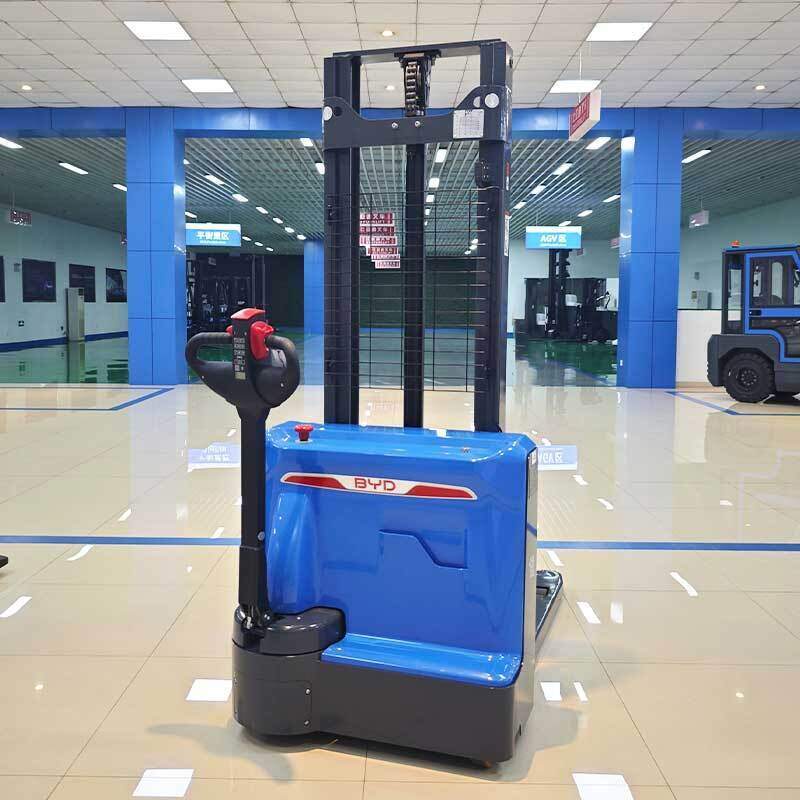
Against the backdrop of growing demand for low-carbon and efficient logistics operations, electric forklifts have become one of the most widely adopted material handling equipment in closed warehouse, retail distribution centers and manufacturing workshops. Mastering correct operation specifications and scientific maintenance methods can help operators give full play to the performance of the equipment, avoid unnecessary safety risks, and control the overall operation cost of the logistics system.
Core Functional Features of Modern Electric Forklifts
Different from internal combustion powered counterparts, modern electric forklifts rely on electric energy as the sole power source, which produces zero local exhaust emission during operation, and generates much lower noise and vibration. Such features make them highly suitable for indoor operation scenarios with high requirements on working environment, and they can adapt to different working conditions from light-duty daily cargo sorting to heavy-duty high-lift cargo stacking. Most current models are designed with ergonomic operation structures to reduce the long-term working fatigue of operators.
Standard Daily Operation Specifications
Before starting each shift, operators need to conduct basic pre-inspection on key components, including the braking system, remaining power level, lifting hydraulic structure and warning light devices, to confirm no hidden risks exist before formal operation. During the moving process, operators should control the driving speed properly in narrow aisles and turning areas, strictly keep the load within the rated load range of the equipment, and avoid sudden acceleration or sharp braking operations. When the equipment is not in use for a long time, operators should pull the handbrake, turn off the power supply, and park the equipment in the designated special area to avoid blocking the normal passage of other logistics operation equipment.
Routine Maintenance to Extend Equipment Service Life
Daily maintenance work does not require overly complex professional operations, and most of the basic inspection tasks can be completed by trained on-site management personnel. Operators need to regularly clean the dust and residue on the surface of the battery electrode, check whether there is oil leakage on the hydraulic pipeline, and measure the wear degree of the tire surface regularly. It is not recommended to charge the battery when the power is completely exhausted, and operators should follow the official charging guidance to avoid irreversible damage to the battery performance. Regular maintenance work can effectively reduce the unexpected downtime of the equipment, and create more stable operation conditions for the whole logistics system.


