
 English
 简体中文
 Français
 Português
 Español
 لالعربية


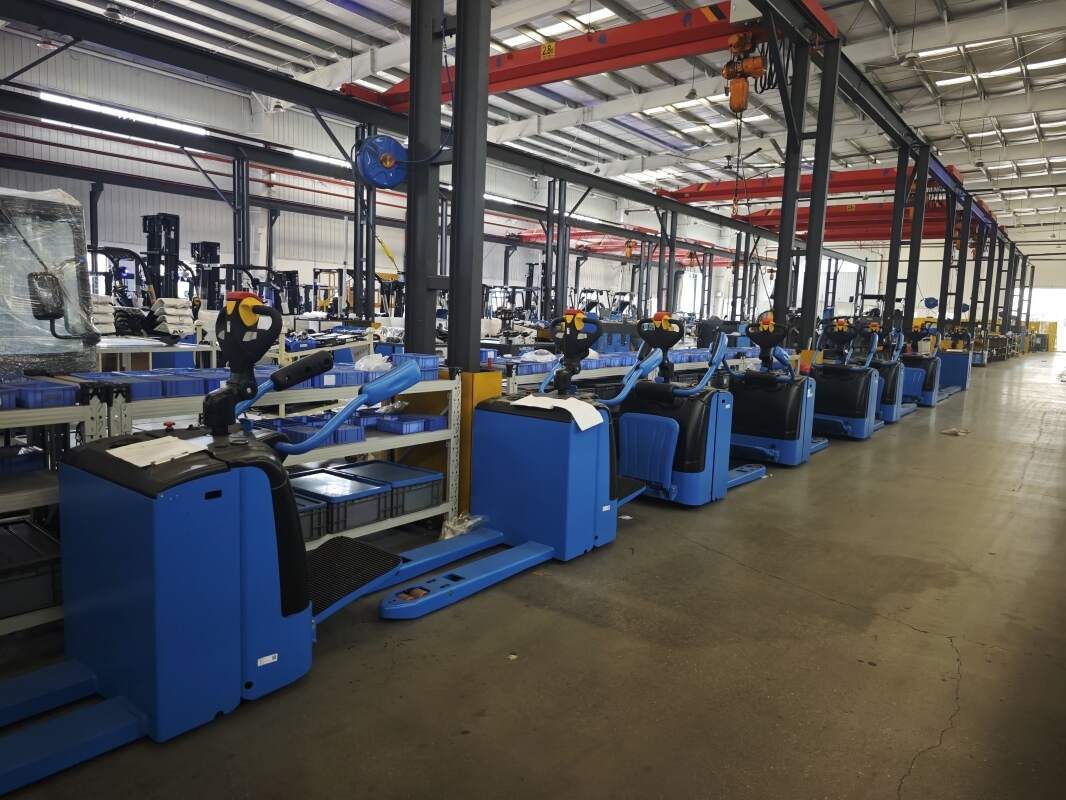
As the logistics and warehouse sector continues to pursue low-carbon and low-noise operation solutions, electric forklifts have become a widely applied choice for indoor and enclosed space material handling in recent years. For frontline operators and warehouse management personnel, mastering standard operation rules and proper maintenance methods can help maximize the value of the equipment on the premise of ensuring operational safety.
Core Safety Precaution Checks Before Daily Startup
Before starting any operation, operators need to conduct a full appearance inspection of the equipment, check the tire wear condition, the flexibility of the steering system, and the normal state of the lifting hydraulic structure, and confirm that the remaining power of the power supply is sufficient to support the expected operation volume of the day. Operators also need to check the sensitivity of all safety warning components including sound prompts and light prompts, and confirm that no sundries are blocked around the walking wheel and the operating channel is free of obstacles that may affect safe driving. For operation in narrow aisles, operators should adjust the running speed to a reasonable range according to the actual on-site conditions, and avoid sudden steering or sudden braking behavior as much as possible.
Routine Maintenance Measures to Prolong Equipment Service Life
Different from internal combustion forklifts, electric forklifts have higher requirements for the daily maintenance of the power supply system. Operators should follow the official specified requirements to complete the charging operation in a dry and ventilated dedicated area, avoid over-discharging the power supply for a long time, and clean the dust and sundries on the surface of the power module and electrical connection parts regularly. In the daily use process, operators should avoid overloading the equipment beyond the rated load range for a long time, which will cause additional wear to the motor and hydraulic system. After each shift, the equipment should be parked in the designated parking area, the lifting fork should be lowered to the safe position close to the ground, and the total power supply should be cut off completely.
Usage Scenario Optimization to Improve Overall Operational Efficiency
Combined with the actual layout of the warehouse, management personnel can reasonably plan the driving route of electric forklifts, reasonably distribute the handling tasks according to the load capacity of different equipment, and avoid the situation that a single equipment runs back and forth with empty load for a long distance. For different operation scenarios such as high shelf cargo access and flat cargo transshipment, operators can adjust the operation parameters of the equipment within the allowable range of the specification, so as to adapt to the actual operation demands to the maximum extent. Regularly organize operators to participate in professional skill training, which can help the team form a standardized operation habit, and further reduce the operation risk and unnecessary equipment loss.


