简体中文
简体中文 Русский
 Français
 Português
 Español
 لالعربية

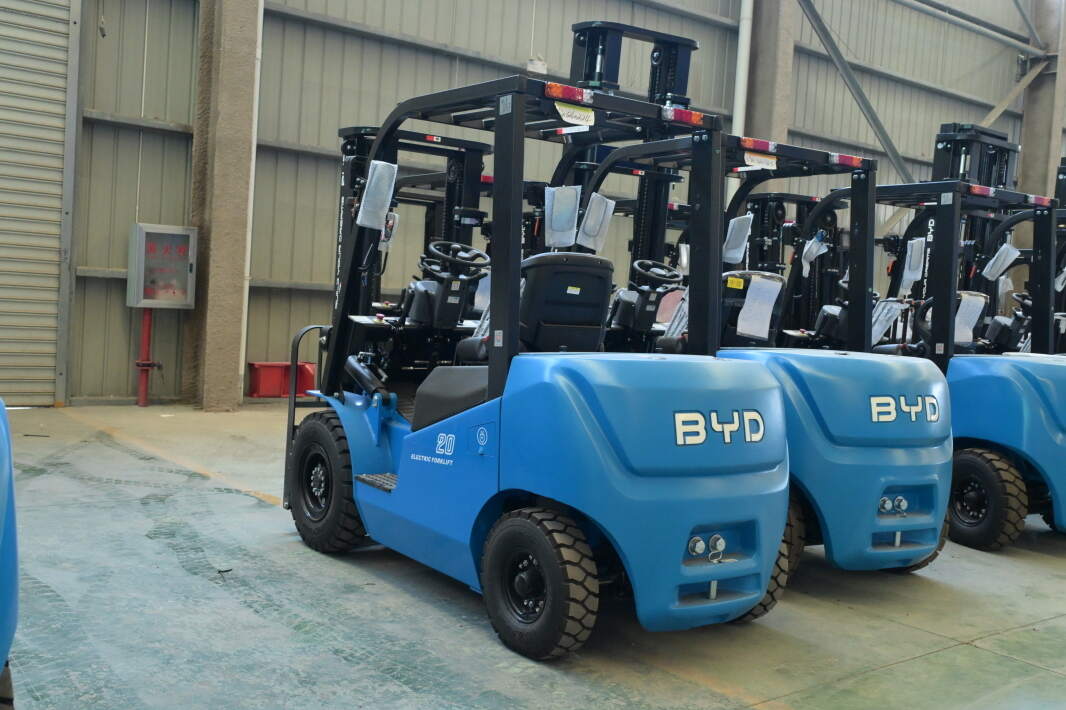
Many material handling teams are now considering replacing their traditional internal combustion forklifts with electric models as the low-carbon development trend continues to spread across the logistics and warehouse sector. The transition process does not need to be disruptive if you know what changes to expect in advance, and arrange corresponding supporting work step by step.
The first noticeable difference lies in the cost structure. Unlike internal combustion forklifts that generate continuous expenditure on fuel, engine oil, filter replacement and exhaust system maintenance, electric forklifts have no related engine wear parts. The initial investment usually covers the vehicle procurement and supporting charging infrastructure construction, while the long-term daily operating cost is mainly composed of electricity fees and regular simple checks on batteries, hydraulic systems and tires. Most teams can form a stable and controllable cost budget for material handling equipment after running in for 1 to 2 months.
The second change comes to the operation experience for forklift operators. Electric forklifts produce far less noise and no tail gas emission during operation, and the driving vibration is also reduced to a very low level. The acceleration response of electric forklifts is smoother, which is different from the power output curve of internal combustion models that need to wait for the engine speed to rise. Most skilled operators can adapt to the new operation habits after 2 to 3 days of adaptive training, and can even finish high-precision material handling tasks more easily in narrow indoor warehouse spaces.
The third improvement brought by the transition is better environment and compliance performance. Without exhaust emission, electric forklifts can be used safely in closed storage spaces such as food warehouses, pharmaceutical storage areas and cold chain logistics centers, where internal combustion equipment is usually restricted from use. This change also reduces the occupational health risk of operators exposed to exhaust gas for a long time, and helps the whole warehouse operation system meet the local environmental protection regulations for low-carbon logistics.
You also need to make proper adjustments to the daily management system after the transition. It is suggested to set up special charging areas with fire-proof and heat-dissipation facilities, and arrange the charging schedule reasonably according to the shift arrangement of the warehouse, to avoid unexpected operation interruptions caused by insufficient power. The routine maintenance work can be completed by existing on-site equipment managers after receiving simple operation guidance, no extra professional maintenance team for internal combustion engine system is required. With reasonable pre-planning and gradual adaptation, the whole transition process can be completed smoothly, bringing stable and expected operation benefits for your warehouse material handling work.