简体中文
简体中文 Русский
 Français
 Português
 Español
 لالعربية

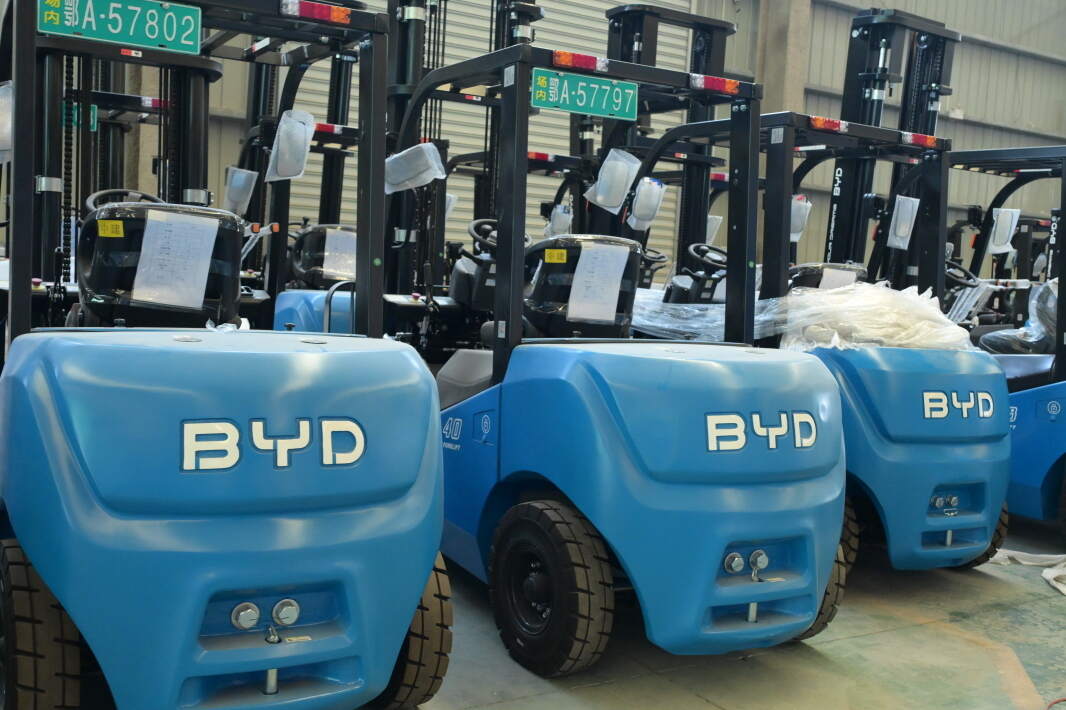
Against the background of global low-carbon transformation and the rapid expansion of cross-border e-commerce and instant delivery industries, the demand for high-efficiency, environment-friendly material handling equipment in the logistics sector continues to rise, which has laid a solid foundation for the steady expansion of the lithium-ion forklift market.
The first core growth driver comes from the increasingly strict global environmental protection and emission regulation frameworks. More and more logistics parks, port terminals and urban distribution centers have introduced clear zero-emission requirements for internal operation equipment, to reduce tail gas pollution and lower noise interference for surrounding residents. Different from traditional internal combustion forklifts that produce exhaust emissions, and lead-acid forklifts that have potential leakage risks of heavy metal substances, lithium-ion forklifts produce no pollutant discharge during operation, and have a much lower noise level that can meet the operating requirements of enclosed indoor storage spaces, helping logistics operators easily pass environmental compliance assessments and avoid additional fines caused by non-compliance.
The second important driving factor is the growing demand for continuous high-efficiency operation in modern logistics scenarios. Under the mainstream 24/7 multi-shift operation mode of modern warehousing and distribution centers, the short continuous working time and complex daily maintenance requirements of traditional forklifts will cause extra downtime and reduce overall operation turnover efficiency. Lithium-ion forklifts support longer continuous working hours after a single full charge, and fast charging technology allows operators to complete energy supplement in a short break between shifts. There is no need for regular fluid replacement, acid cleaning and other tedious maintenance work during the service period, which effectively cuts down unnecessary idle time of the equipment and matches the high-frequency operation rhythm of modern logistics.
The third driving force comes from the advantage of full-lifecycle cost control. Though the upfront procurement cost of lithium-ion forklifts is slightly higher than that of traditional products, a large number of actual operation data of logistics fleets show that the overall energy consumption cost and maintenance cost of lithium-ion forklifts are much lower in the whole service cycle of more than 5 years, and the residual value of equipment is more stable, which can bring better return on investment for logistics enterprises.
In recent years, the continuous maturity of the global lithium battery supply chain and the gradual improvement of the battery recycling and echelon utilization system also further reduce the deployment threshold of lithium-ion forklifts for small and medium-sized logistics operators, which will further support the sustained steady growth of the lithium-ion forklift market in the global logistics industry in the coming years.