简体中文
简体中文 Русский
 Français
 Português
 Español
 لالعربية

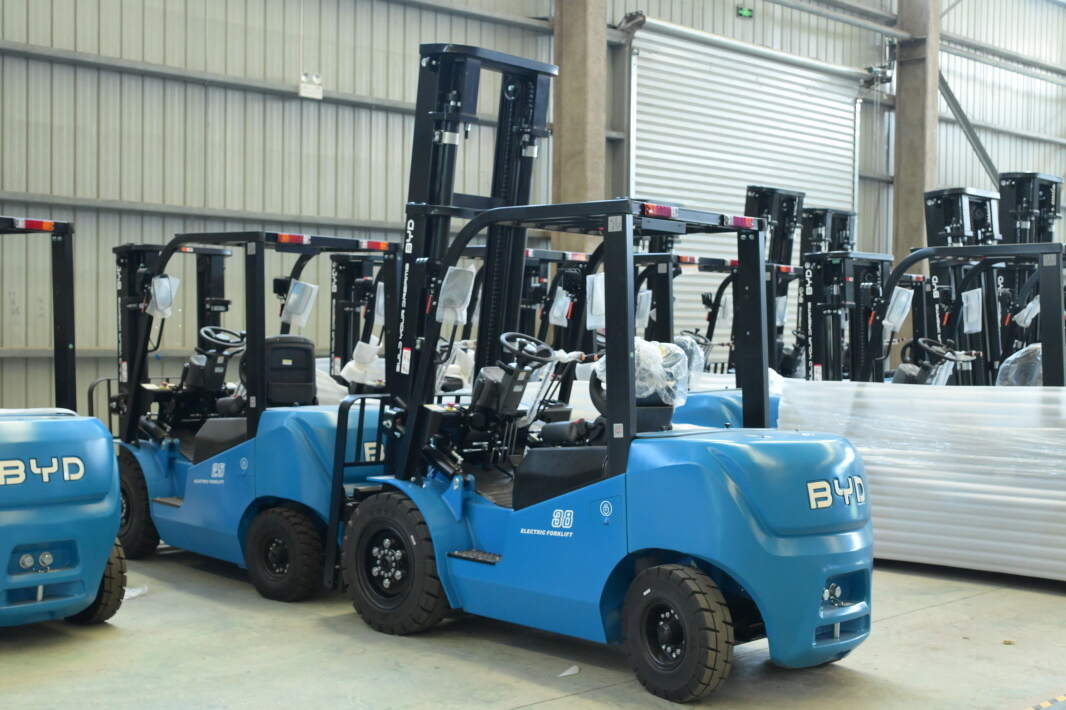
For decades, internal combustion-powered forklifts have dominated warehouse material handling scenarios, but their inherent limitations including local exhaust emissions, high operating noise and relatively frequent maintenance requirements have long restricted the further upgrade of warehouse operation systems. As low-carbon development requirements become more widely recognized across the logistics industry, electric forklifts are gradually becoming a mainstream alternative that brings tangible changes to daily warehouse operation workflows.
The most intuitive change brought by electric forklifts to warehouse operations is the optimization of the indoor working environment. Unlike fuel-powered models, electric forklifts produce no local exhaust emissions during operation, which effectively eliminates the need for complex exhaust ventilation equipment in enclosed storage spaces, and creates a healthier working condition for on-site operators. Their average operating noise is far lower than that of traditional internal combustion forklifts, which reduces noise interference between different operation areas, and helps improve the communication efficiency of the on-site team.
In terms of operation flow optimization, modern electric forklifts are designed to adapt to diversified warehouse layout requirements. Many models support flexible operation in narrow aisles, which helps warehouses make full use of existing storage space without extra large-scale renovation, effectively improving the unit storage capacity of the site. The built-in energy recovery mechanism can convert the kinetic energy generated during braking and descending of goods into electric energy for storage, which further extends the continuous operation time, and can fully meet the material handling demands of multi-shift operation under reasonable charging management.
From the perspective of full-lifecycle operation cost control, electric forklifts simplify the regular maintenance workflow to a large extent. There is no need to replace engine oil, filter elements and other wearing parts for internal combustion systems, which effectively reduces the time occupied by daily equipment maintenance, and increases the actual available operating time of each vehicle. For many warehouses that arrange frequent material turnover throughout the day, this change can bring steady and obvious efficiency improvement in long-term operation.
At present, many electric forklift models support basic data interconnection with warehouse management systems, which can help operation managers track the real-time position and operation status of material handling equipment, arrange operation tasks more reasonably, and reduce unnecessary repeated travel of vehicles. As supporting charging facilities and related management systems become more mature, electric forklifts will continue to inject steady power for the iterative upgrade of modern warehouse material handling operations.