简体中文
简体中文 Русский
 Français
 Português
 Español
 لالعربية

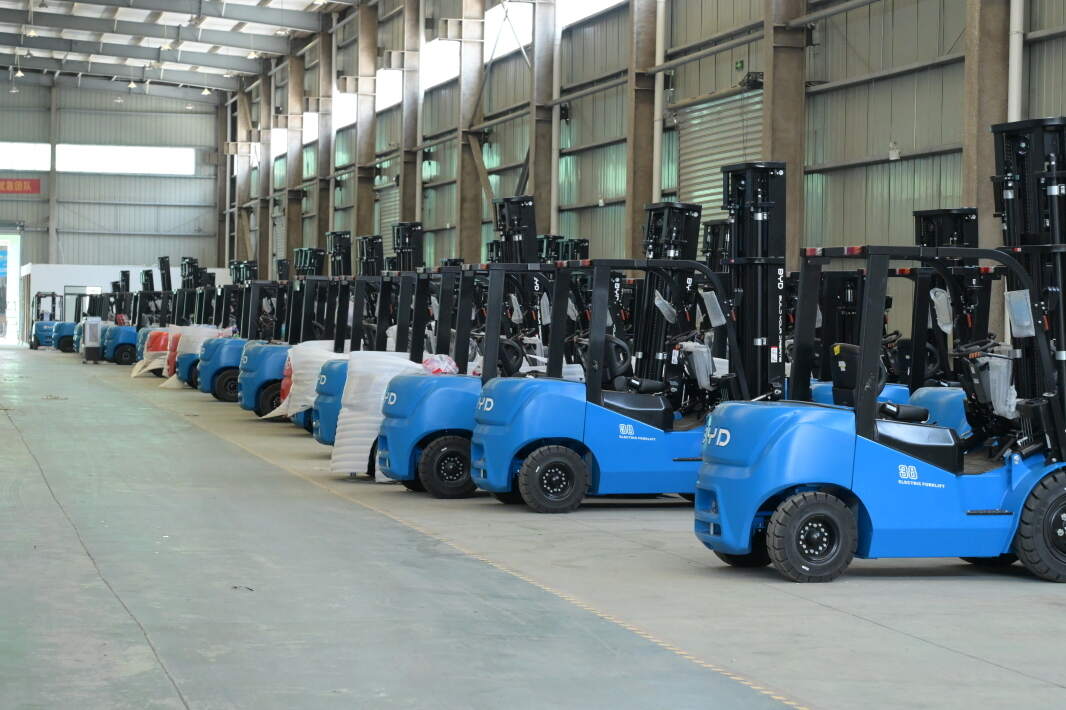
The global industrial material handling sector is undergoing steady electrification transformation, as enterprises pursue lower operation noise, zero local emissions and more predictable running cost compared with internal combustion forklifts. Next-generation electric forklift design no longer simply replaces fuel systems with traditional battery packs, but centers on new energy storage technology to reshape the full performance logic of the whole vehicle, among which LiFePO4 battery technology has become one of the most widely recognized core supporting technologies.
First, LiFePO4 battery technology optimizes the continuous operation capability of forklifts to adapt to high-intensity working scenarios. Compared with traditional lead-acid batteries of the same capacity, mature LiFePO4 battery packs have longer cycle life, and support opportunity charging during short work breaks without waiting for fixed full charge and discharge cycles. This characteristic helps forklift teams in 2-shift or 3-shift warehouse operations reduce extra battery backup configuration, and extend continuous working time without frequent charging interruptions. Its stable energy output in the full state of charge also avoids the power attenuation problem that commonly occurs in the late discharge period of traditional batteries, ensuring consistent lifting and traveling performance of the forklift at any remaining power level.
Second, this technology greatly improves the safety redundancy of the whole forklift design. The intrinsic thermal stability of LiFePO4 chemistry effectively reduces the risk of thermal runaway under high temperature, heavy load or accidental collision conditions. The matched battery management system can monitor the voltage and temperature data of each cell in real time, and transmit data to the vehicle control system synchronously, to realize functions including overcurrent protection, overheat warning and automatic power reduction under abnormal conditions. The built-in low-temperature preheating module in the battery pack also expands the applicable scenarios of the forklift, enabling stable operation in cold storage and outdoor low-temperature working environments.
Third, LiFePO4 battery technology supports more humanized and compact vehicle structure design. The smaller volume and lower weight of LiFePO4 packs can free up more internal space of the vehicle. Designers can use the saved space to expand the operation cabin, optimize the leg activity space for operators, and adjust the arrangement of mast accessories to get broader front and side vision during operation. The reasonable optimization of vehicle weight distribution also helps reduce extra energy consumption during traveling, further improving the overall energy efficiency of the equipment.
In addition, this technology effectively reduces the full life cycle operation and maintenance cost of forklifts. Unlike traditional lead-acid batteries that need regular water replenishment, acid discharge detection and other maintenance operations, LiFePO4 battery packs do not require regular routine manual maintenance, which reduces labor input for daily equipment management. The long service life of the battery pack can basically match the whole service cycle of the forklift body, avoiding the need for intermediate battery replacement during normal use, which brings more predictable cost control for logistics and manufacturing enterprises.