
 简体中文
 Русский
 Français
 Português
 Español
 لالعربية


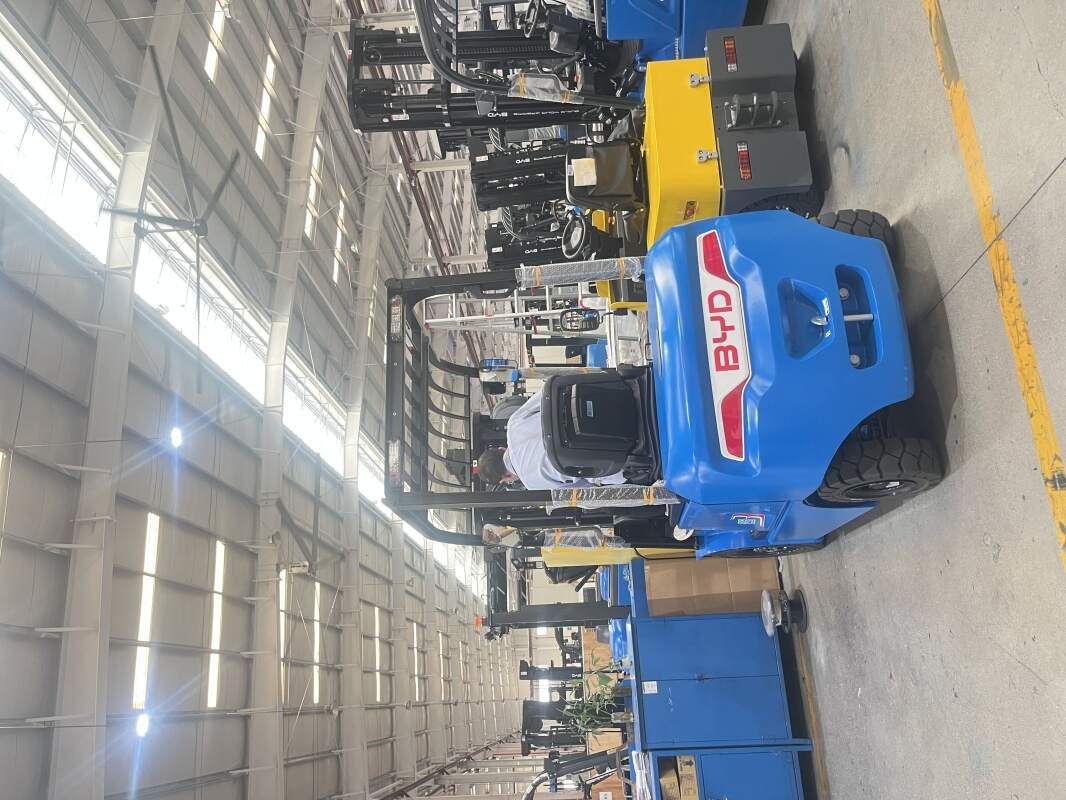
The wide application of electric forklifts in modern warehousing, manufacturing and logistics distribution scenarios has become a noticeable trend in the material handling industry in recent years. Different from traditional internal combustion handling equipment, electric forklifts feature lower noise emission, no exhaust pollution, and relatively lower long-term operation cost, which fits the development demand of low-carbon industrial transformation for most enterprises. To maximize the use value of this type of equipment, operators and warehouse managers need to grasp systematic professional knowledge from multiple dimensions.
Basic Operation Specification for Electric Forklifts
In the daily operation process, operators need to complete pre-inspection work before starting the equipment, including checking the power battery remaining level, the flexibility of lifting and steering system, the braking performance, and the integrity of safety protection accessories such as warning lights and guardrails. During the moving process, operators should control the driving speed according to the on-site ground condition and personnel density, avoid sudden braking and sharp steering, and keep a safe distance from surrounding goods and shelf structures. When carrying goods, operators should avoid overloading beyond the rated load capacity, and adjust the fork distance reasonably according to the size of the pallet to keep the goods stable during lifting and moving.
Daily Maintenance Tips to Extend Service Life
Regular and standardized daily maintenance can effectively reduce the failure rate of electric forklifts, and prolong the overall service cycle of the equipment. For the power system, operators should follow the official charging guidance to complete the charging process in a cool and ventilated environment, avoid over-discharging the battery for a long time, and clean the dust accumulated on the surface of the battery and heat dissipation components regularly. For the walking and lifting structure, it is necessary to regularly check the lubrication condition of the transmission parts, add qualified lubricating grease on schedule, and timely remove the sundries stuck on the wheel hub and fork slide rail. Besides, the regular functional test of the braking and safety protection system should be arranged every certain working cycle, to eliminate potential safety hazards in time.
Methods to Improve Overall Operation Efficiency
Reasonable workflow arrangement can further improve the working efficiency of electric forklifts in actual scenarios. Warehouse managers can plan a special driving passage for electric forklifts in advance, mark the reasonable driving route on the ground, and reduce the cross interference between pedestrian flow and equipment flow in the working area. It is also feasible to arrange the charging schedule according to the actual daily working hours, to avoid the situation that the equipment runs out of power suddenly during the peak working period. For different handling demands, matching the corresponding tonnage and parameter configuration of electric forklifts can avoid unnecessary performance waste, and help enterprises control the comprehensive input cost of material handling links. As the supporting facilities of industrial scenarios continue to improve, the application scope of electric forklifts will be further expanded, and continuous learning of relevant operation and maintenance knowledge will help relevant practitioners make better use of this type of equipment to support the stable operation of the whole logistics link.


