
 简体中文
 Русский
 Français
 Português
 Español
 لالعربية


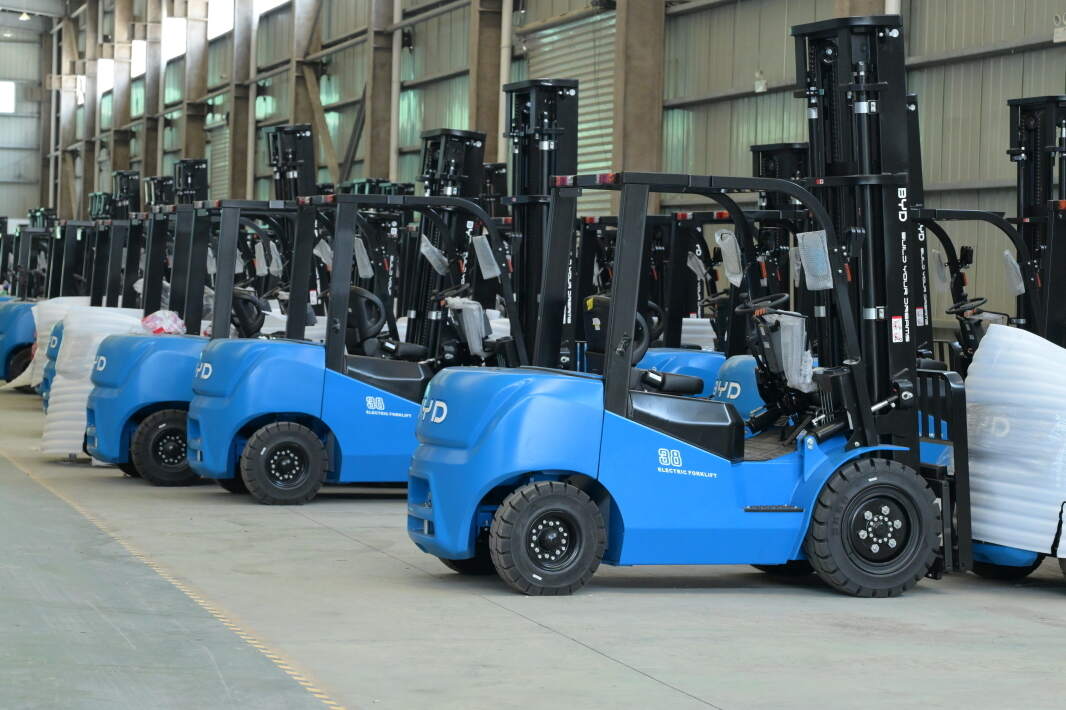
As the core transportation equipment of modern warehouse logistics, electric forklifts have been widely adopted across various industrial scenarios in recent years, thanks to their low noise, zero local emission and relatively low long-term operation cost. Many logistics practitioners still lack systematic cognition of standard usage rules and proper maintenance logic, which easily leads to unnecessary equipment wear and potential safety risks. The following content shares verified practical industry knowledge from long-term practice, to help operators grasp core usage points accurately.
Standard Operation Norms for Daily Safe Use
Before each startup, operators need to complete basic check items, including the remaining power level of the battery, the flexibility of the steering system, the braking sensitivity, and the normal status of the lifting fork assembly. During the operation process, operators need to keep the load center within the specified range, avoid sudden acceleration and sharp turning, and do not carry people on the lifting fork at any time. When passing through narrow aisles or low-height passages, operators need to slow down in advance, and observe the surrounding environment continuously to avoid collision with surrounding racks, goods or passing personnel.
Routine Maintenance Practices to Prolong Equipment Service Life
After each shift, operators need to wipe the surface of the equipment, check the attached sundries on the wheel hub and lifting chain, and park the forklift in the designated charging area with the lifting fork lowered to the horizontal position. For the power battery module, users need to follow the official recommended charging process, avoid over-discharging the battery to less than 20% of the total capacity for a long time, and arrange regular depth detection of battery cells every 3 to 6 months. Regular lubrication of the rotating connection parts can effectively reduce component friction, lower subsequent failure rate, and maintain stable overall operation performance.
Scenario-based Performance Adjustment to Improve Operational Efficiency
For different application scenarios, users can make proper adjustment of equipment parameters within the allowed range. For low-intensity daily sorting scenarios, properly adjusting the response sensitivity of the steering and lifting system can help operators complete frequent handling actions more smoothly. For high-intensity continuous handling scenarios with heavy load, users can appropriately reduce the acceleration response speed to avoid extra energy consumption caused by frequent high current output. Matching the equipment performance with actual operation demands can help enterprises obtain better input-output ratio in long-term warehouse material handling work.


