
 简体中文
 Русский
 Français
 Português
 Español
 لالعربية


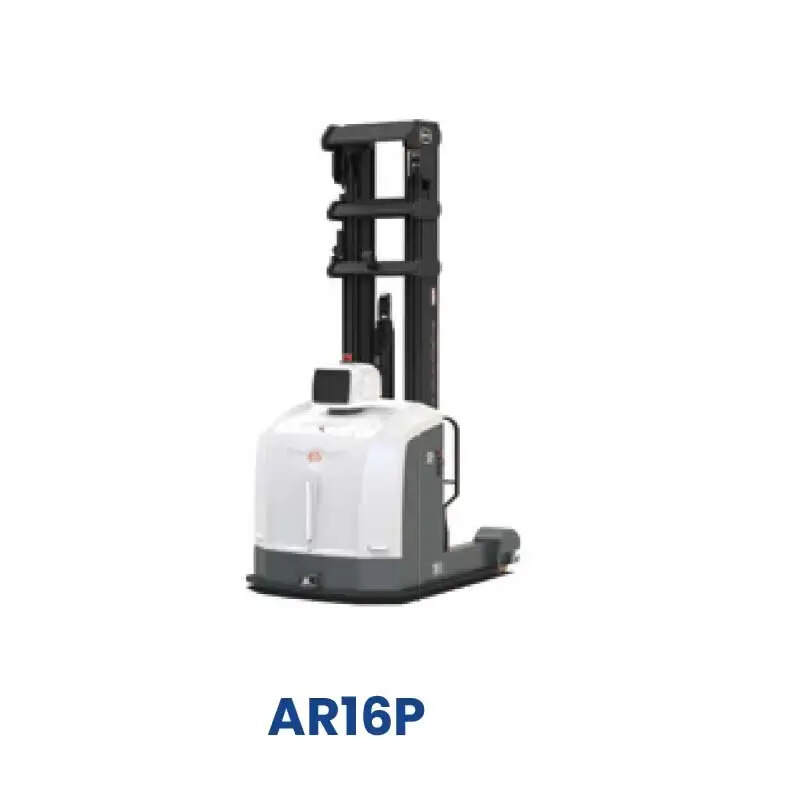
As low-carbon logistics develops rapidly across the industrial sector, electric forklifts have become one of the most widely applied material handling equipment in modern warehouses, manufacturing workshops and distribution hubs. Many new operators and warehouse managers lack systematic understanding of correct use and maintenance methods, which may lead to unstable operation performance and increased unnecessary consumption.
Core Daily Operation Norms for Electric Forklifts
When carrying out pre-start inspection, operators should first check the remaining power status, tire wear condition and flexibility of lifting and steering components before formal operation, instead of starting the machine blindly with hidden risks. During the operation process, it is necessary to keep the load within the rated bearing range, avoid sharp turning or sudden braking on wet and slippery roads, and keep a safe distance from surrounding personnel and stacked goods to reduce the probability of accidental collision. For high-lifting operation, operators should avoid standing under the lifting gantry, and do not adjust the load center beyond the allowable range to keep the whole vehicle stable.
Routine Maintenance Practices to Stabilize Operation Performance
Regular maintenance work can effectively extend the service life of electric forklifts, and reduce the frequency of unexpected equipment failure. For the power system, operators should clean the surface dust of the battery pack every week, check the connection tightness of the wiring harness, and follow the specified charging process to avoid overcharging or deep discharging in daily use. For the transmission and hydraulic system, relevant personnel should regularly check the oil level of hydraulic oil and lubricating oil, replace the oil liquid according to the specified cycle, and clean the filter element to avoid foreign matter from entering the internal pipeline. The body surface cleaning work also needs to be completed on a regular basis, to avoid the accumulated dust and debris affecting the heat dissipation effect of the motor and control module.
Scenario Optimization Tips to Maximize Equipment Value
In different application scenarios, adjusting the operation mode of electric forklift reasonably can bring better use effect. For narrow aisle warehouse scenarios, operators can adjust the running speed to a lower level when moving in the narrow channel, to improve the operation accuracy. For long-time continuous operation scenarios, it is recommended to arrange reasonable shift switching to avoid long-time continuous high load operation of the equipment, and arrange the charging process in the non-working peak period to ensure the power supply is sufficient. Such targeted adjustment can help enterprises give full play to the energy-saving and low-noise advantages of electric forklifts, and create a safer and more efficient material handling environment.


