
 简体中文
简体中文 Русский
 Français
 Português
 Español
 لالعربية

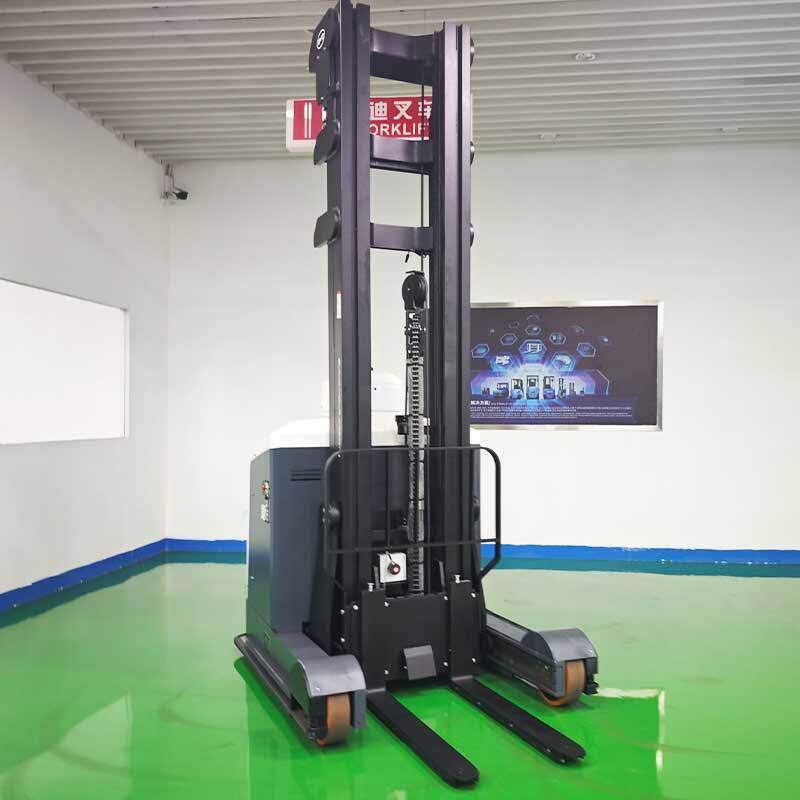
Electric forklifts have gradually become a core component of modern industrial logistics systems, widely deployed in closed warehouses, manufacturing workshops, distribution centers and other scenarios that have high requirements for low noise and zero exhaust emission. Reasonable application and proper management of such equipment can effectively optimize the overall operational efficiency of material handling links.
Core Advantages of Modern Electric Forklifts
Different from internal combustion counterparts, electric forklifts obtain full power support from on-board energy storage units, which will not produce tail gas emissions during the whole working process. This feature makes them more suitable for working in confined indoor spaces with poor ventilation conditions. The overall vibration and noise level during operation is controlled at a relatively low range, which helps reduce the long-term operation fatigue of equipment operators, and creates a more friendly working environment for surrounding staff in the operation area. The structure of the power transmission system is relatively simplified, and there are fewer vulnerable moving parts compared with traditional fuel power systems.
Standardized Daily Operation Specifications
Before starting each shift, operators need to conduct a full pre-operation inspection, covering the remaining power level of the energy storage unit, the flexibility of the lifting and steering system, the braking performance and the normal display status of all safety warning lights. During the operation process, operators should strictly follow the rated load capacity limit to avoid overloading the forks with goods that exceed the specified weight. When carrying goods that block the forward sight, the operator should drive the forklift in reverse direction at a low speed, to reduce the risk of collision with surrounding personnel or facilities. Operators should also keep a safe distance from the edge of the goods shelf and the edge of the loading platform, and avoid sharp turning or sudden braking actions when the vehicle is running with heavy loads.
Routine Maintenance Points for Extended Service Life
Regular maintenance work should be arranged in accordance with the operation manual requirements of the equipment. The surface of the energy storage unit should be kept clean and dry at all times, and the charging process should be carried out in a well-ventilated space that meets fire protection requirements. The lubrication points of the transmission and lifting system need to be supplemented with corresponding lubricants on schedule, to reduce the wear degree of metal friction parts during operation. The worn parts such as brake pads and tire surfaces should be inspected periodically, and replacement arrangements should be made when the wear degree reaches the specified threshold, so as to keep the equipment in a stable working condition for a longer period. Enterprises can also arrange targeted skill training for relevant operators regularly, to help all personnel establish a solid safety operation awareness, and further maximize the use value of electric forklift equipment in daily material handling work.


