
 简体中文
简体中文 Русский
 Français
 Português
 Español
 لالعربية

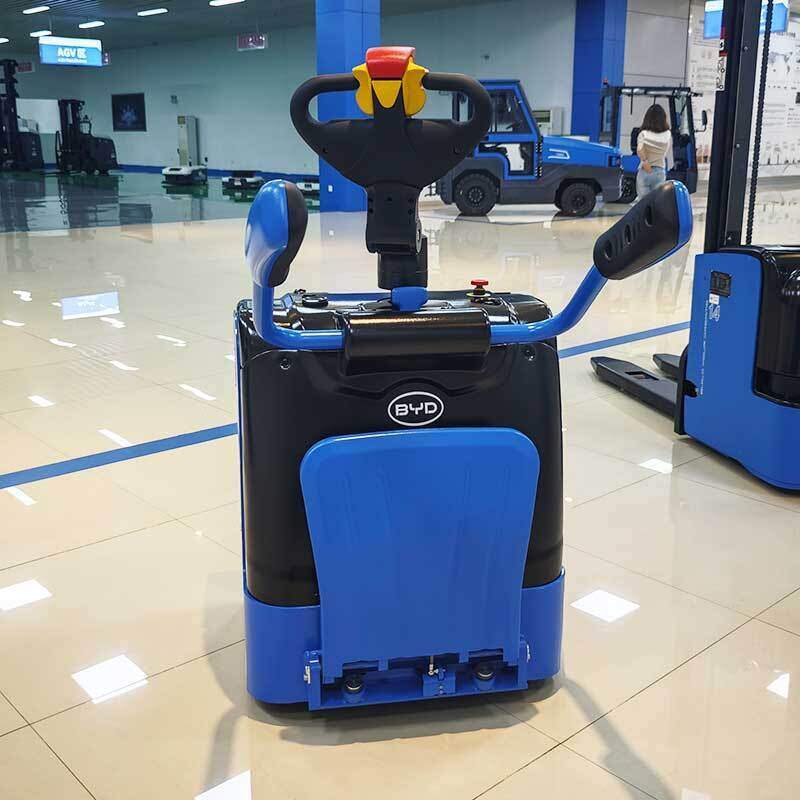
As the core supporting equipment of modern industrial and warehouse logistics systems, electric forklifts have gained growing popularity in recent years for their outstanding performance in noise control, emission reduction and operation comfort. Mastering correct use and management methods can help enterprises give full play to the advantages of such equipment in daily material handling work.
Core Safe Operation Specifications
All operators need to complete standard pre-job training before formally using electric forklifts, to get familiar with basic parameters including rated load limit, maximum lifting height and minimum turning radius of the specific model. Before the start of each work shift, operators need to finish pre-use inspection work, covering the brake system, warning indicator, tire wear condition and surrounding working environment. During operation process, staff should strictly avoid overloading beyond the rated value, keep a safe distance from surrounding personnel and obstacles, and never carry extra personnel on the cargo forks in any working scenarios.
Routine Maintenance Key Points
Different from internal combustion forklift equipment, electric forklifts take power system and electrical component maintenance as the core daily management content. Operators need to check the battery connection status regularly, clean the dust accumulated on the surface of electrical parts in time, and never use high-pressure water flow to directly flush the electrical cabin to prevent possible short circuit risk. Enterprises can formulate targeted maintenance schedules according to actual equipment use frequency, arrange trained professional personnel to inspect the wear condition of motor and transmission parts periodically, replace aging wearing parts in time to extend the full service cycle of the equipment.
Energy Efficiency Optimization Tips
Developing reasonable operation habits can effectively reduce the unnecessary energy consumption of electric forklifts in daily use. Operators are suggested to avoid frequent sudden acceleration and sudden deceleration when driving on flat ground, plan the material handling route reasonably in advance to cut down unnecessary idle driving distance. It is also recommended to arrange standardized charging work in time after the battery power drops to the reasonable threshold, to avoid long-time deep power loss situation that may affect the overall performance of the power unit. For teams with high daily use frequency, arranging reasonable shift allocation for multiple sets of equipment can also reduce the operating load of single unit effectively.


