
 简体中文
简体中文 Русский
 Français
 Português
 Español
 لالعربية

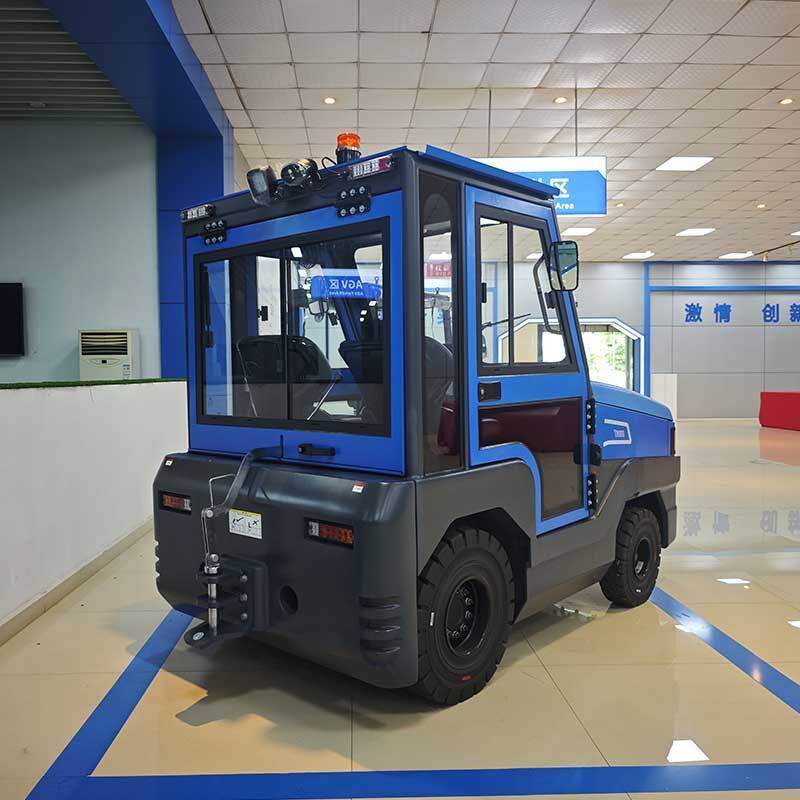
With the continuous development of modern logistics and warehousing industry, electric forklifts have become one of the most widely used material handling equipment in indoor operation scenarios, favored by more enterprise users for their distinct operating characteristics. Mastering the correct use and management methods of electric forklifts can give full play to their application value and create better benefits for daily operation.
Core Performance Advantages of Modern Electric Forklifts
Different from traditional internal combustion handling equipment, electric forklifts rely on electric drive systems to output power, which produces no local exhaust emissions during operation, and the operating noise is controlled at a relatively low level, making it very suitable for closed or semi-closed operation spaces that have high requirements for environmental sanitation, such as food storage workshops, pharmaceutical warehouses, and precision electronic component storage areas. The power output of the electric drive system is more stable, which can effectively reduce vibration and jitter during the handling process, lower the risk of collision and damage to fragile goods, and create a more friendly working environment for on-site operators.
Key Points for Standard Daily Operation
The operation of electric forklifts requires standardized process constraints to avoid unnecessary safety risks and equipment wear. Before starting the equipment every day, operators need to complete basic inspection work, including checking the remaining battery power, flexibility of the braking system, sensitivity of the steering mechanism, and whether the hydraulic lifting device has abnormal leakage. During the driving process, operators should avoid sharp acceleration and sharp steering under heavy load state, keep a safe distance from surrounding personnel, shelf structures and other obstacles. When passing through ramp areas, keep a low driving speed, do not turn sharply or drive obliquely on the ramp, and avoid carrying over-height goods that block the operator's sight.
Routine Maintenance Guidelines to Extend Service Life
Scientific and reasonable daily maintenance can effectively prolong the service life of electric forklifts and reduce the failure rate in the operation process. For the power battery module, operators should avoid over-discharging the battery to a very low state, use the matching charging equipment for charging operations, and keep the charging area well ventilated to avoid potential safety hazards caused by heat accumulation. The staff should regularly check the wear of the motor surface and connecting lines, clean the dust and debris accumulated on the surface of the equipment in time, regularly calibrate the operating parameters of the braking and hydraulic lifting system, and arrange professional personnel to troubleshoot in time when minor abnormal conditions are found, to avoid small problems evolving into larger equipment failures.
Scene Matching Optimization Suggestions
Different operation scenarios can adjust the use scheme of electric forklifts according to their own actual conditions to obtain higher operation efficiency. For warehousing scenarios with high-rise shelves, users can select equipment with matching lifting height parameters to meet the access needs of high-level goods. For narrow channel operation scenarios, equipment with small turning radius can be selected to reduce the occupied space of the passage and improve the utilization rate of the warehouse storage area. For operation scenarios that require long hours of continuous operation, configuring a spare matching battery to realize rapid power replacement is a relatively practical solution, which can effectively reduce the downtime caused by charging.


