
 简体中文
 Русский
 Français
 Português
 Español
 لالعربية


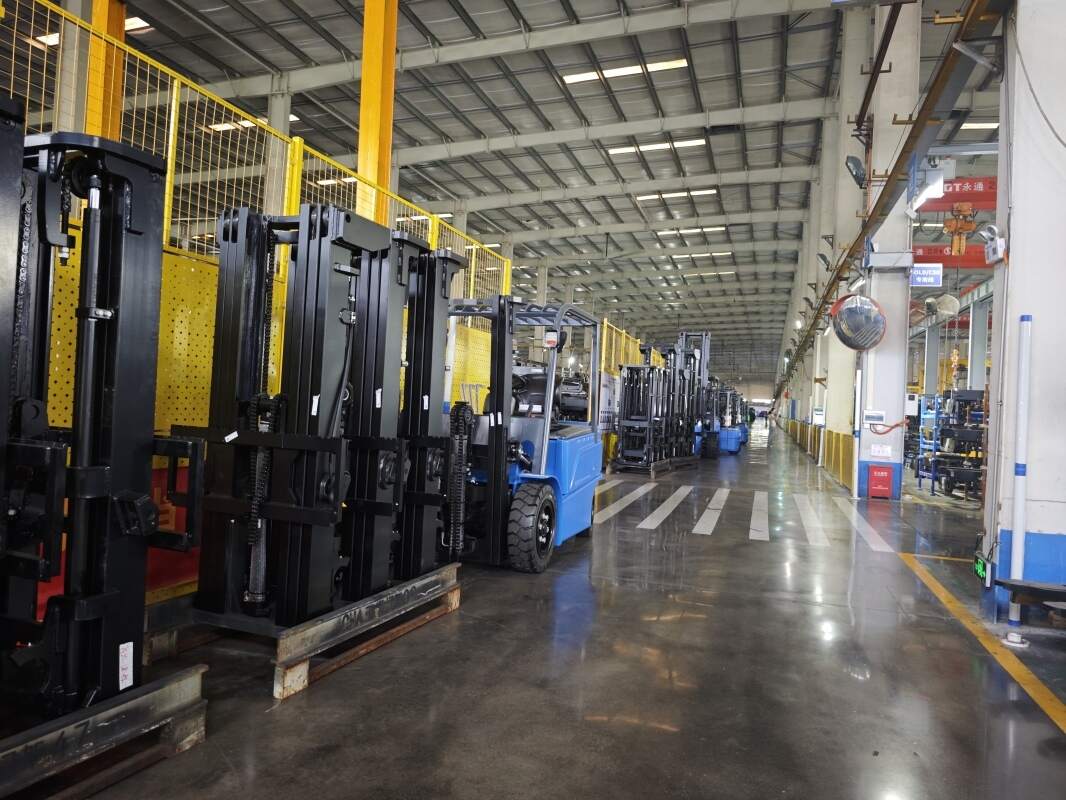
With the continuous popularization of low-carbon logistics concepts in the industrial field, electric forklifts have gradually become the mainstream material handling equipment for most indoor and closed working scenarios, compared with traditional internal combustion power equipment. Mastering systematic operation and maintenance knowledge can help enterprises give full play to the use value of such equipment, and create safer and more efficient working conditions for frontline operators.
Core Performance Characteristics of Electric Forklifts
Different from fuel-powered handling equipment, electric forklifts rely on on-board power battery units to provide power output, which produces almost no exhaust emissions during the whole working process. The overall operation noise of the equipment is kept at a relatively low level, which can effectively avoid noise interference to the surrounding working environment and the negative health impact of long-term exposure for operators. The power output adjustment of electric forklifts is more sensitive, which can adapt to the operation requirements of frequent start and stop, short-distance cargo handling in narrow operation channels, and bring more comfortable operation experience for staff.
Standard Daily Operation Guidelines
Before each start-up, operators need to complete necessary pre-inspection work, including checking the remaining power of the power unit, the flexibility of the steering system, the sensitivity of the braking device, and the integrity of the load-bearing accessories. During the operation process, operators need to strictly follow the load limit requirements marked on the equipment body, avoid overloading, and keep a safe distance from surrounding personnel and obstacles when driving. When the equipment is not in use, the fork needs to be lowered to a safe position, the power supply should be cut off in time, and the equipment should be parked in the designated non-obstructive area.
Practical Routine Maintenance Suggestions
Regular maintenance work can effectively extend the service life of electric forklifts, and reduce unexpected failure probability in daily use. Operators need to clean the dust and sundries on the surface of the equipment regularly, check the connection tightness of the battery interface every fixed cycle, and avoid the phenomenon of loose wiring or liquid leakage. The lubrication points of the transmission and lifting structure need to be replenished with special lubricant on schedule, to reduce the wear loss of mechanical parts during long-term operation. For the aging components that reach the service cycle, professional personnel can be arranged for replacement in time, to avoid potential safety hazards caused by excessive component loss.
Enterprises can also select equipment with corresponding parameters according to their actual operation scenarios, to match different cargo weight, channel width and operation duration requirements, and obtain more stable use effect in the long-term application process.


