
 简体中文
 Русский
 Français
 Português
 Español
 لالعربية


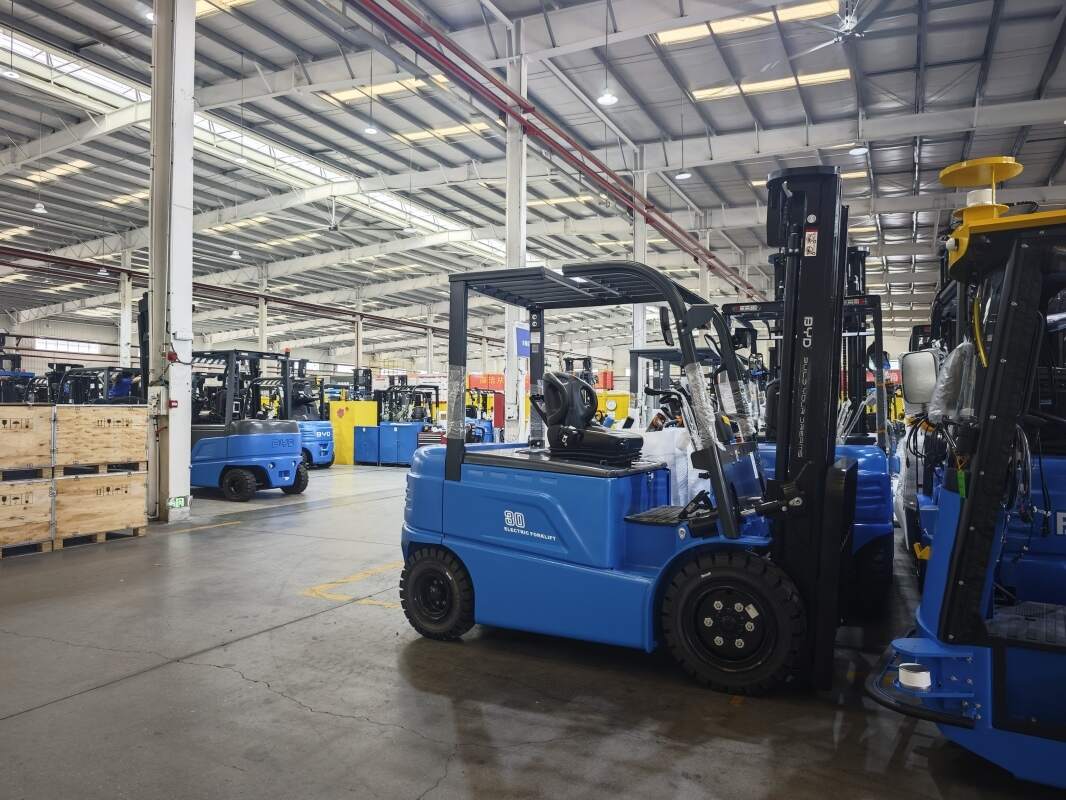
Against the backdrop of low-carbon transformation in the global logistics and warehousing industry, electric forklifts have gradually become one of the most widely used material handling equipment in daily operations. Many frontline operators and equipment managers still lack systematic and practical cognition of the core characteristics, scenario adaptation rules and maintenance points of such equipment, which may lead to unnecessary extra wear of parts and reduced operation efficiency.
Core Performance Advantages of Modern Electric Forklifts
Different from traditional fuel-powered handling equipment, modern electric forklifts produce zero local exhaust emissions during the whole operation process, and the overall running noise is controlled at a relatively low level. Such features make them highly suitable for closed indoor workplaces, as well as scenarios with strict requirements for environmental hygiene, such as food processing workshops, pharmaceutical storage areas and fresh product sorting centers. The power output of electric drive systems is more stable and smooth, which can effectively avoid the jitter of heavy loads caused by unstable fuel power output, and reduce the risk of cargo falling during high-position handling.
Key Scenario Adaptation Principles
For different operation scenarios, it is necessary to select the matching electric forklift configuration according to the actual working conditions. For narrow aisle operation scenarios, the turning radius and body width parameters of the equipment should be prioritized to ensure that the equipment can pass through the operation channel smoothly without collision with shelf structures. For high-lifting operation scenarios above 3 meters, the residual load capacity under the corresponding lifting height should be confirmed in advance, so as to avoid improper overload operation that affects operation safety. For semi-outdoor operation scenarios with high air humidity, electrical components with corresponding protection grade can be selected to reduce the failure probability caused by moisture.
Daily Operation and Maintenance Guidelines
Before each shift, operators need to complete basic inspection work, including checking the sensitivity of the braking system, the remaining power level of the power unit, and the sealing performance of the hydraulic lifting assembly. When the equipment is in long-term idle state, the staff should arrange regular cyclic charging and discharging maintenance for the power unit to avoid the performance attenuation caused by deep power loss for a long time. Regular cleaning of dust and sundries in the heat dissipation channel of the fuselage can ensure the stable heat dissipation effect of the drive system, and effectively extend the overall service life of the equipment. Scientific and standardized use can help reduce the comprehensive operation cost of the handling link and steadily improve the operation efficiency of the whole logistics site.


