
 简体中文
 Русский
 Français
 Português
 Español
 لالعربية


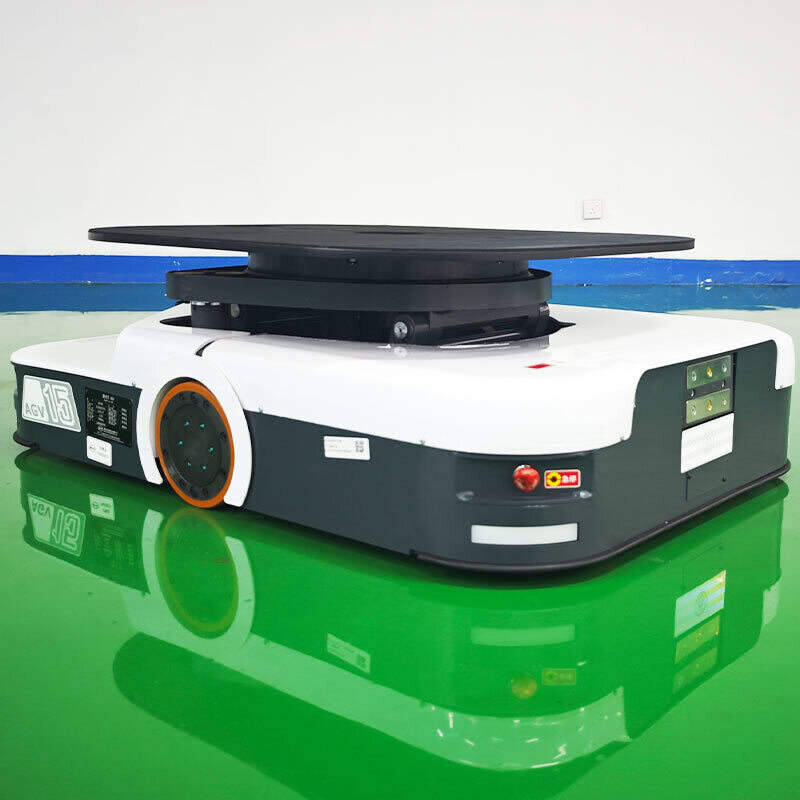
Electric forklifts have gradually become a core component of modern closed logistics scenarios, as more industrial operators pursue low-carbon operation and lower running cost for material handling work. This practical guide covers multiple actionable dimensions for users to maximize the use value of the equipment in daily operations.
Core Performance Characteristics of Electric Forklifts
Unlike internal combustion counterparts, electric forklifts rely on stored electrical energy to output power, producing no exhaust emissions during operation, which makes them suitable for enclosed warehouses, food processing workshops, pharmaceutical storage zones and other scenarios with strict air quality requirements. Their overall operation noise level is relatively lower, which helps reduce noise interference for on-site staff working long shifts, and creates a more comfortable working environment.
Standard Daily Operation Protocols
Before starting each shift, operators need to conduct basic checks on the brake system, lifting mechanism, tire condition and remaining power status of the equipment, to rule out hidden risks that may affect normal operation. During the operation process, operators need to keep the load within the rated load range, avoid sharp turns and sudden braking when carrying heavy goods, and keep a safe distance from surrounding personnel and obstacles to reduce collision risks. After finishing daily work, operators should park the equipment in the designated parking area, lower the fork to contact the ground, and cut off the main power supply properly.
Routine Maintenance Suggestions
Regular maintenance work can effectively reduce the failure rate of electric forklifts, and extend the overall service cycle of key components. Users need to clear the dust and sundries attached to the surface of the motor and power connection parts on a regular basis, check the wear condition of electrical wires to avoid poor contact caused by aging of the insulating layer. The power battery pack should be charged in strict accordance with the specified parameters, avoid over-discharging and long-term overcharging, and keep the surface of the battery pack dry and clean.
Energy Efficiency Promotion Methods
Reasonable operation habits can effectively reduce the energy consumption of electric forklifts, and extend the single continuous working time of the equipment. Operators can plan the handling route in advance to avoid repeated driving and unnecessary detours, keep the running speed stable as much as possible, and avoid frequent acceleration and deceleration when there is no special need. For long-term idle scenarios, operators can turn off the standby function appropriately to reduce unnecessary power loss.


