
 简体中文
 Русский
 Français
 Português
 Español
 لالعربية


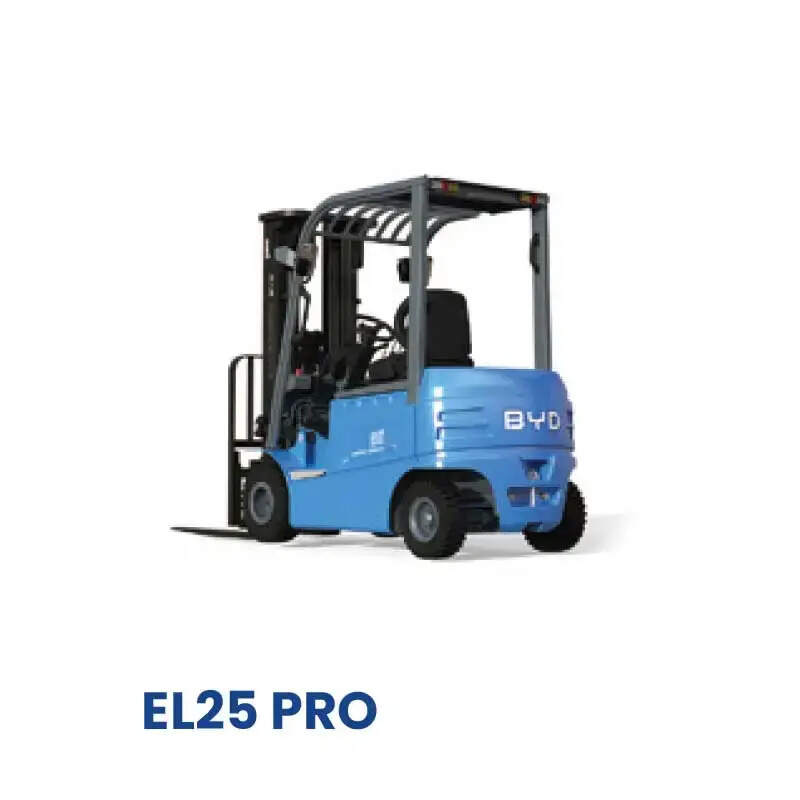
Against the continuous promotion of green and low-carbon logistics concepts, electric forklifts have gradually become one of the most widely used material handling equipment in various industrial scenarios, including storage centers, manufacturing workshops and port cargo yards. Many frontline operators and enterprise managers still lack systematic and comprehensive cognition of the core usage points, which may lead to unnecessary performance loss of equipment and hidden safety risks in daily work.
Basic Operation Specifications for Normal Use
Before each startup, operators need to conduct routine inspections on the residual power of the power supply, the sensitivity of the braking system, the wear condition of the fork arms and the flexibility of the steering structure, and confirm that there is no obvious obstacle in the planned operation route. During the operation process, operators should keep the driving speed within the safe range corresponding to different scenarios, reduce the speed in advance when turning or passing through narrow passages, avoid lifting the fork arms to excessive height when carrying heavy loads, and strictly follow the rated load standard of the equipment to carry out handling work, so as to avoid potential safety hazards caused by overloading.
Standardized Daily Maintenance Measures
After each use, operators need to clean up the dust, debris and residual cargo stains on the surface of the equipment in time, keep the body and working parts in a dry and clean state. The professional maintenance team should check the connection state of the power unit regularly, avoid abnormal conditions such as loose electrodes or liquid leakage, and carry out necessary lubrication treatment on the transmission parts and movable structures according to the specified cycle. It is not recommended to modify the built-in circuit structure of the equipment without professional guidance, which may affect the original stability of the system and shorten the overall service life of the equipment.
Scenario Matching Principles for Selection and Deployment
When configuring electric forklift equipment, enterprises can combine the actual operation situation of their own working scenarios to select the appropriate parameter configuration. For the narrow passage high-level shelf storage scenarios, it is recommended to select products with small turning radius and flexible operation performance to make full use of the limited storage space. For scenarios that require long hours of continuous operation every day, choosing products with matching power capacity can effectively meet the continuous operation needs and reduce the interruption of work caused by frequent power supplement. Scientific and reasonable use and standardized maintenance management of electric forklifts can effectively reduce the long-term comprehensive operating cost of the equipment, ensure the smooth progress of daily material handling work.


