
 简体中文
简体中文 Русский
 Français
 Português
 Español
 لالعربية

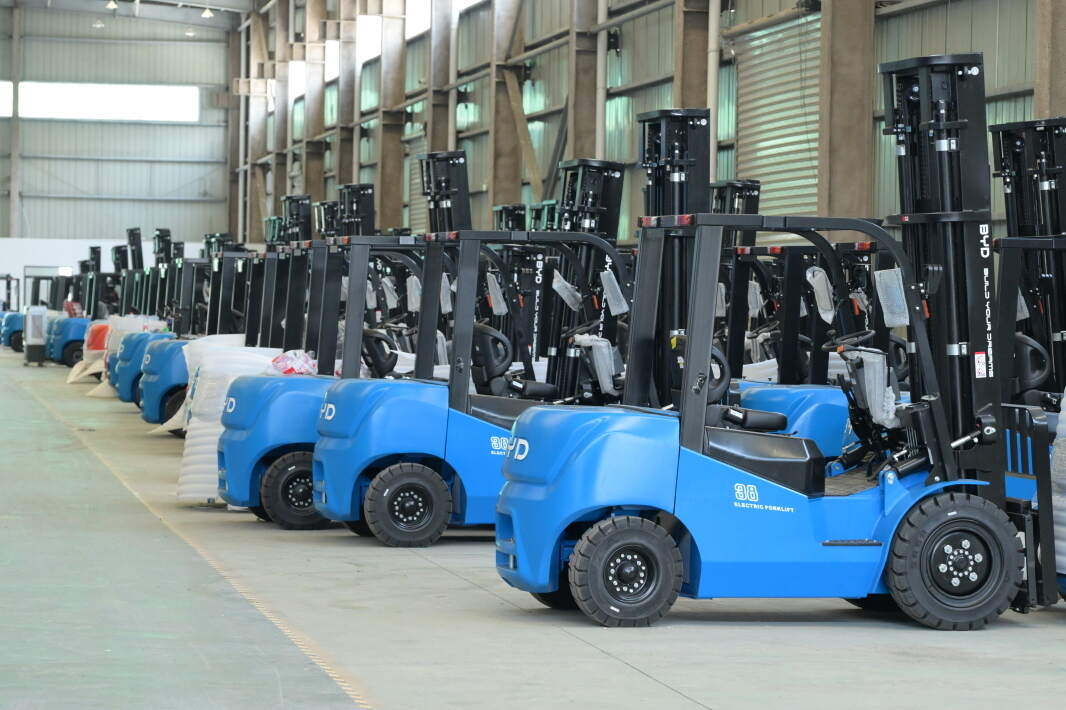
Cross-border procurement of electric pallet trucks has become a common choice for many enterprises to obtain suitable material handling equipment in recent years, but the whole process involves multiple links across different countries and regions, and hidden risks may appear at any stage from preliminary supplier docking to final equipment delivery and subsequent after-sales operation. Targeted risk prevention measures can effectively reduce unnecessary losses for procurement teams, and ensure the purchased equipment can match the actual operation demands of downstream warehouse and logistics scenarios.
The first core prevention measure is to complete full compliance verification before formal order placement. Procurement teams need to confirm in advance that the supplied electric pallet trucks fully meet the local safety, environmental protection, and energy consumption mandatory standards of the destination market, collect corresponding formal certification documents, and do not rely only on the supplier's oral description. If the order quantity is large, it is advisable to entrust a qualified third-party professional testing institution to conduct sampling inspection of pre-produced prototypes, to avoid the situation that the equipment cannot pass the customs clearance inspection smoothly after arriving at the port.
The second key measure is to clarify all quality and parameter confirmation rules in the procurement agreement. Buyers should list all performance indicators, rated load capacity, continuous battery life, applicable working environment requirements in the formal written contract, and clarify the unified acceptance criteria before mass production, to avoid the deviation between the actual delivered product and the sample confirmed in the early stage. It is also recommended to arrange professional personnel to conduct factory pre-shipment inspection before the goods are packed, to rule out hidden quality problems that may cause operation failures in subsequent daily use.
The third important measure is to carry out full-process management of logistics and customs clearance risks. Procurement staff need to sort out the customs declaration requirements, tariff standards, and relevant regulatory clauses of the destination port in advance, properly keep all the procurement documents, product certification materials, and transaction vouchers, and choose a cross-border logistics service provider with rich experience in handling industrial equipment transportation to avoid cargo damage, delayed delivery or customs detention problems caused by improper transportation arrangement. It is also advisable to purchase targeted cargo transportation insurance to cover possible loss risks in the long-distance transportation process.
The fourth supporting measure is to clarify the boundary of after-sales service responsibilities before transaction completion. Before signing the final procurement agreement, buyers need to fully confirm the supplier's overseas after-sales service arrangement, including the normal supply cycle of wearing parts, remote technical support response speed, and feasible on-site maintenance conditions in the target area, to avoid the situation that the equipment cannot get timely maintenance support once a fault occurs, which will affect the normal operation of the whole warehouse handling process. Implementing the above measures through the whole process can effectively control most of the common risks in cross-border electric pallet truck procurement, help procurement teams complete the transaction smoothly, and obtain the expected use value of the handling equipment.


