
 简体中文
简体中文 Русский
 Français
 Português
 Español
 لالعربية

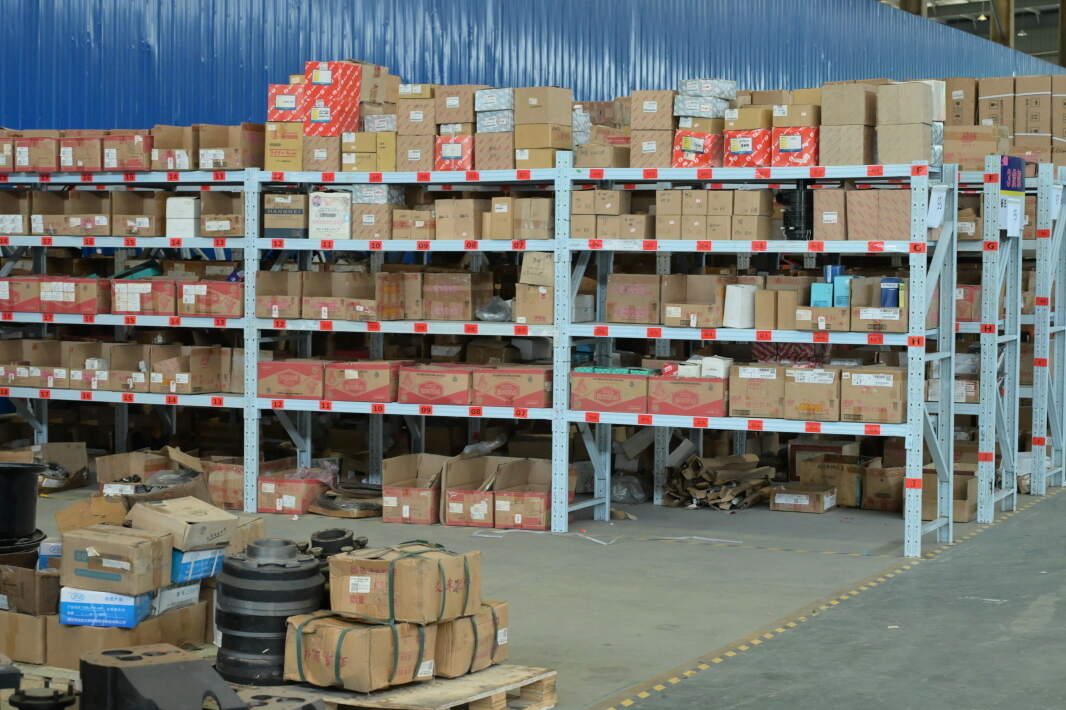
Before starting any customization negotiation for electric warehouse trucks, buyers should first sort out and quantify all actual operational requirements of the site, instead of referencing over-functional solutions that do not match the daily operation flow. It is suggested that the on-site team can collect core parameters including average load weight of daily handled goods, minimum working aisle width, maximum required lifting height, continuous operation hours per shift, and special environment attributes such as low temperature storage, dust dense workshop or food grade operation scenario first. These clear quantified indexes can help buyers eliminate unnecessary redundant customization demands at the very beginning of the negotiation, and avoid extra cost brought by non-essential added functions that will not produce actual value in daily work.
The next core point during negotiation is to require suppliers to provide full transparent cost breakdown of all customized contents, rather than only getting a vague total quotation. All extra cost generated by non-standard transformation, including the material upgrade of lifting mechanism, capacity adjustment of power battery, addition of special operation auxiliary modules, and corresponding labor cost for modification, should be listed separately. Buyers can also confirm the difference of later daily maintenance cost between customized parts and standard general parts during the negotiation, to avoid potential hidden extra expenditure in subsequent long-term use that is not mentioned in the initial quotation.
During the negotiation process, buyers also need to confirm the compatibility of customized parts and related after-sales support clauses explicitly. It is reasonable to ask suppliers to clarify whether the customized non-standard components can adapt to the regular general maintenance accessories in the market in the later stage, as well as the detailed delivery cycle of the customized trucks, free on-site debugging service scope, and the training content for internal operators to master the usage of added customized functions. It is also necessary to confirm that the after-sales warranty policy covers all the customized transformation parts, rather than only takes effect on the original standard parts of the electric warehouse truck.
At the end of the negotiation, buyers can also reserve reasonable adjustable space for future business expansion. For example, confirm the feasibility and corresponding cost of partial function adjustment when the operation scenario changes in the next 2 to 3 years, so that the customized electric warehouse trucks can also be adapted to the new operation demands after the warehouse process iteration, to extend the actual service life of the equipment.


