
 简体中文
简体中文 Русский
 Français
 Português
 Español
 لالعربية

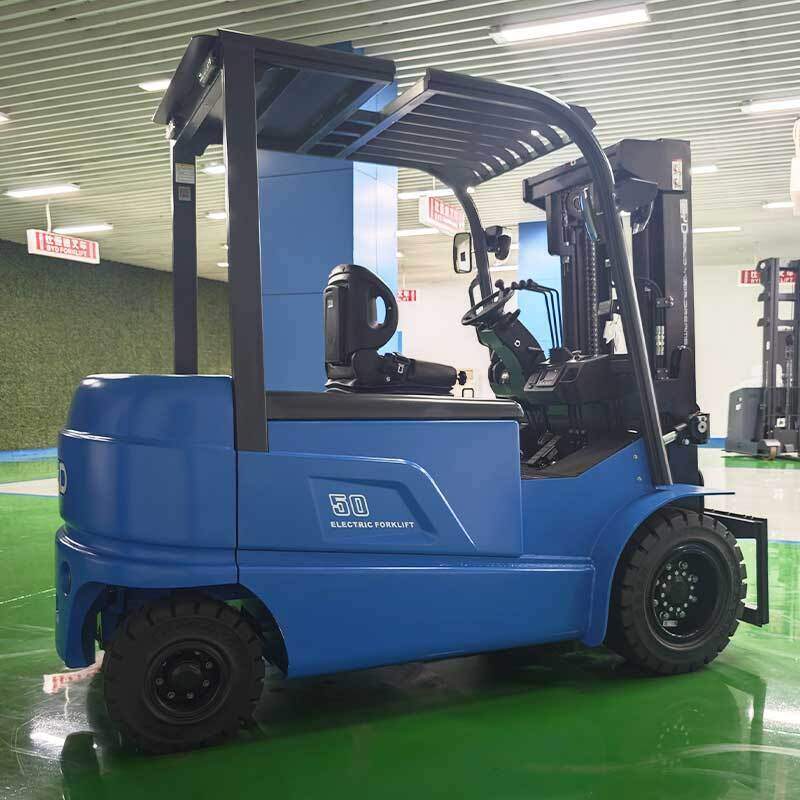
For overseas buyers that procure lithium-powered pallet trucks for daily warehouse material handling, distribution center cargo sorting or last-mile loading and unloading operations, mastering standard logistics and shipping arrangements helps avoid unnecessary extra costs, shorten the waiting cycle for equipment to be put into use, and reduce unexpected risks during cross-border transit.
Before confirming the shipment, you need to complete the full range of pre-shipping compliance checks first. As the lithium battery equipped on the pallet truck belongs to category 9 dangerous goods in international transport regulations, you need to prepare complete transport certification documents in advance, confirm the declaration requirements of the port of loading and the destination port, and do not omit or misstate relevant information during the customs declaration process, so as to avoid goods detention or fine penalties caused by non-compliant declaration. You are also advised to confirm the local import access rules for electric industrial handling equipment in your destination country in advance, to ensure all document materials submitted for inspection meet the requirements of local regulatory authorities.
Then it is necessary to check the packaging and loading status of the goods carefully before leaving the factory. All wooden contact components used for export packaging shall be marked with standard fumigation marks that meet the plant quarantine requirements of the destination country to prevent the goods from being returned due to quarantine problems. The whole vehicle of the lithium pallet truck shall be wrapped with waterproof and dustproof protective materials, and the vulnerable parts such as the control handle, power display screen and driving wheel assembly shall be wrapped with enough buffer cushion to reduce the impact of bumping during long-distance transportation. During the container loading process, the fixed limit parts shall be used to fasten the vehicle body to the inner structure of the container, to avoid displacement and collision between multiple pieces of equipment during sea or land transportation.
In the transit and customs clearance stage, you can communicate with the logistics service provider in advance to confirm the reservation of shipping space, especially in the peak shipping season, making the reservation 2 to 3 weeks in advance can effectively avoid the delay of goods departure caused by tight shipping resources. All the declaration information including product name, specification parameters, declared value and quantity shall be completely consistent with the actual goods, which can greatly reduce the detention risk of goods at the destination port.
After the goods arrive at the destination port, arrange relevant personnel to check the intactness of the outer packaging before signing for receipt. Once you find obvious traces of collision or damage, you can take photos and reserve evidence in time, and contact the logistics provider to verify the subsequent handling plan. Proper implementation of these logistics details can help overseas buyers to get the equipment in good condition smoothly, and put it into daily material handling operations as soon as possible.


