
 简体中文
简体中文 Русский
 Français
 Português
 Español
 لالعربية

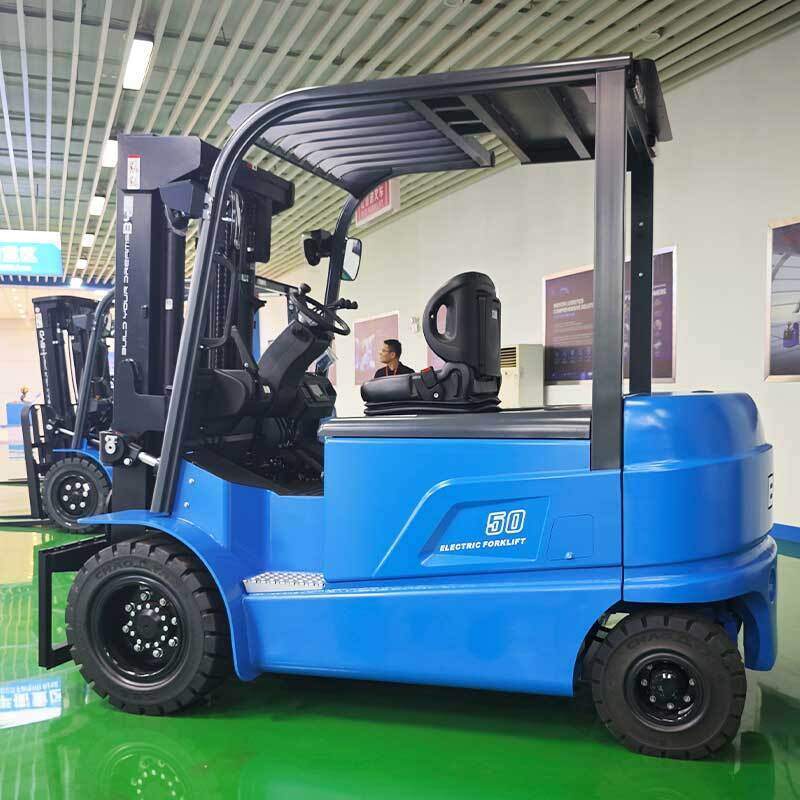
Many modern warehouse and logistics operations run multi-shift schedules that extend far beyond standard 9-to-5 working hours, making unexpected electric forklift breakdowns outside regular business hours a major risk for continuous operation. When completing supplier evaluation, most procurement teams focus heavily on equipment performance, pricing and standard weekday after-sales arrangements, while often overlooking the clarity and rationality of after-hours support terms, which may lead to unplanned long downtime that causes unnecessary operational losses.
The first key term to review is the defined response time scope. Many suppliers advertise 24/7 support in promotional materials, but the actual support scope may only include automated phone message receiving rather than real-time technical feedback. You need to confirm the maximum allowed time for remote technical response after you submit a fault report outside working hours, the priority rule for different fault levels, and the maximum arrival time of on-site service technicians for locations within your operation radius, to avoid ambiguous descriptions that cannot be implemented when emergencies happen.
The second core clause to verify is the extra charge standard for after-hours services. You should confirm whether the off-hour service surcharge is included in the annual maintenance package, or what the differential rate is for services delivered at night, on weekends and public holidays, and whether there is a reasonable maximum charge cap for a single after-hours service case. It is also necessary to confirm that no unapproved additional service items will be added to the bill without prior consent from your operation team.
The third important content to check is the spare parts guarantee mechanism for after-hours scenarios. Confirm whether the nearby service station arranged by the supplier reserves common vulnerable spare parts for electric forklifts, and whether there is a complete process for dispatching parts outside regular working hours, to avoid situations that maintenance work can not be completed in time due to lack of spare parts even if the technician arrives on site.
Sorting out and clarifying all the above after-hours support terms in formal service contracts will help eliminate hidden operational risks, and ensure your electric forklift fleet can get timely and effective support whenever unexpected faults occur.


